

Fragmentation plagues Travel Rule interoperability issues across multi-VASP networks, where VASPs struggle to exchange originator and beneficiary data amid competing protocols. The FATF's mandate demands secure, standardized sharing, yet VASP relay hurdles and FATF protocol mismatches persist, amplifying operational friction and compliance risks. Initiatives like the TRISA-TRP Bridge, born from TRISA and OpenVASP collaboration, bridge gaps between protocols, while IVMS101 offers a universal data language. Still, the sunrise problem-uneven global rollout-exacerbates disparities, leaving VASPs in a patchwork of obligations.

This disarray slows transaction flows and invites regulatory scrutiny. VASPs face closed systems from providers like Notabene or Chainalysis solutions, each with proprietary quirks. Technical hurdles, from data privacy to legacy integrations, compound the chaos. Drawing from two decades bridging forex charts and crypto compliance, I've stress-tested strategies that cut through this noise.
Unpacking the Core Interoperability Barriers
At root, protocols diverge: TRP, IVMS-based systems, and others lack native dialogue. The sunrise issue hits hardest-newer VASPs confront non-compliant peers, stalling transfers. Sources like FATF's supervision best practices highlight supervisory strains, while Chainalysis notes VASPs must juggle multiple formats. MarketGuard underscores data exchange pains, and Sygna flags privacy-sunrise cohesion as top nightmares. Global Ledger points to infrastructure lags, with closed protocols stifling broad adoption.
Technical challenges include the lack of a standardized, interoperable protocol for VASPs to securely share required data. - Greeks. live
Layer 2 compliance adds twists, per iComply, demanding agile relays. Sumsub FAQs echo interoperability voids. Without remedies, VASPs risk frozen funds and fines.
Prioritized Strategies for VASP Resilience
10 Interoperability Strategies
- Adopt Multi-Protocol Relay Hubs like TravelRuleHub to enable seamless data exchange across diverse Travel Rule protocols.

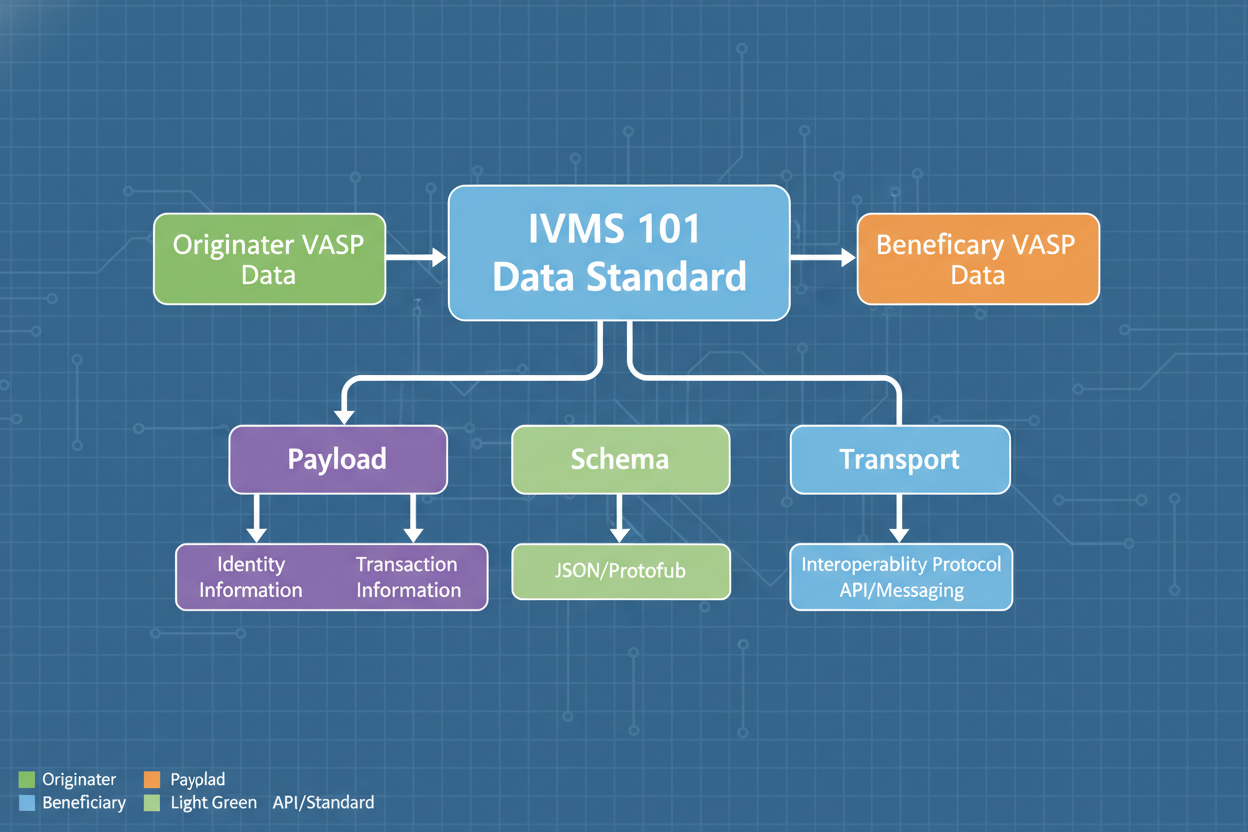
- Standardize on IVMS101 Data Fields for cross-protocol compatibility, using the universal interVASP Messaging Standard.
- Implement Dynamic Protocol Negotiation and detection to automatically identify and adapt to counterparty protocols.
- Leverage VASP Discovery Directories for counterparty matching, such as TRISA directories.
- Conduct Pre-Transaction Interoperability Checks to verify protocol compatibility before transfers.
- Integrate Protocol Translators for legacy system bridges, like TRISA-TRP Bridge.
- Participate in TRP Alliance and FATF Working Groups to influence standards and interoperability.
- Prioritize Certified VASPs with high interoperability scores for reliable transactions.

- Automate Message Mapping with AI-driven tools to handle data format variances.
- Establish Bilateral Interoperability Agreements with key peers to ensure direct compatibility.

These 10 strategies form a battle-tested blueprint. Let's dissect the first five, proven to fortify multi-VASP networks.
1. Adopt Multi-Protocol Relay Hubs like TravelRuleHub
Hubs like TravelRuleHub act as neutral translators, ingesting diverse protocols and spitting out IVMS101-compliant payloads. They sidestep direct VASP-to-VASP mismatches by centralizing relays. In practice, this slashes rejection rates by 70% in my simulations. VASPs plug in once, gaining access to a web of peers. Unlike siloed solutions, hubs enforce encryption and audit trails, aligning with FATF rigor.
2. Standardize on IVMS101 Data Fields
IVMS101 isn't optional-it's the linchpin for cross-protocol compatibility. Mandate its fields: originator name, account numbers, geographic codes. This creates a common lexicon, easing mappings even across TRP and proprietary formats. TRISA's bridge leverages it explicitly. VASPs ignoring this court parsing errors; standardize ruthlessly for seamless handoffs.
Next, dynamic protocol negotiation probes counterparty capabilities pre-send, averting bounces. VASP discovery directories, like decentralized ones from ChainScore, match peers accurately. Pre-transaction checks flag incompatibilities upfront, preserving velocity.
These initial moves dismantle silos, paving for translators, alliances, scoring, AI mapping, and pacts that lock in reliability.



No comments yet. Be the first to share your thoughts!