

Seychelles VASP Bill FATF Standards: Asset Segregation and IVMS101 Data Sharing

Seychelles’ recent approval of the Virtual Asset Service Providers Bill in August 2024 marks a pragmatic pivot for the island jurisdiction, embedding FATF-compliant safeguards directly into its crypto framework. By mandating asset segregation and IVMS101 data sharing, the legislation addresses core risks in virtual asset transfers, aligning Seychelles with global standards amid FATF’s urgent push for Travel Rule adoption. This isn’t just regulatory box-ticking; it’s a risk-managed blueprint that could attract serious VASPs while deterring bad actors.
Seychelles Fills Regulatory Void Post-2022 Risk Assessment
The VASP Bill, formally Bill 12 of 2024, emerged from Seychelles’ 2022 National Risk Assessment, which flagged virtual assets as a money laundering vulnerability. Introduced on July 12,2024, and unanimously passed by the National Assembly shortly after, the law prohibits unlicensed VASP operations, targeting exchanges, wallet providers, brokers, and custodians. Finance Ministry statements underscore its aim: create a legislative scaffold to curb financial crime risks without stifling innovation.
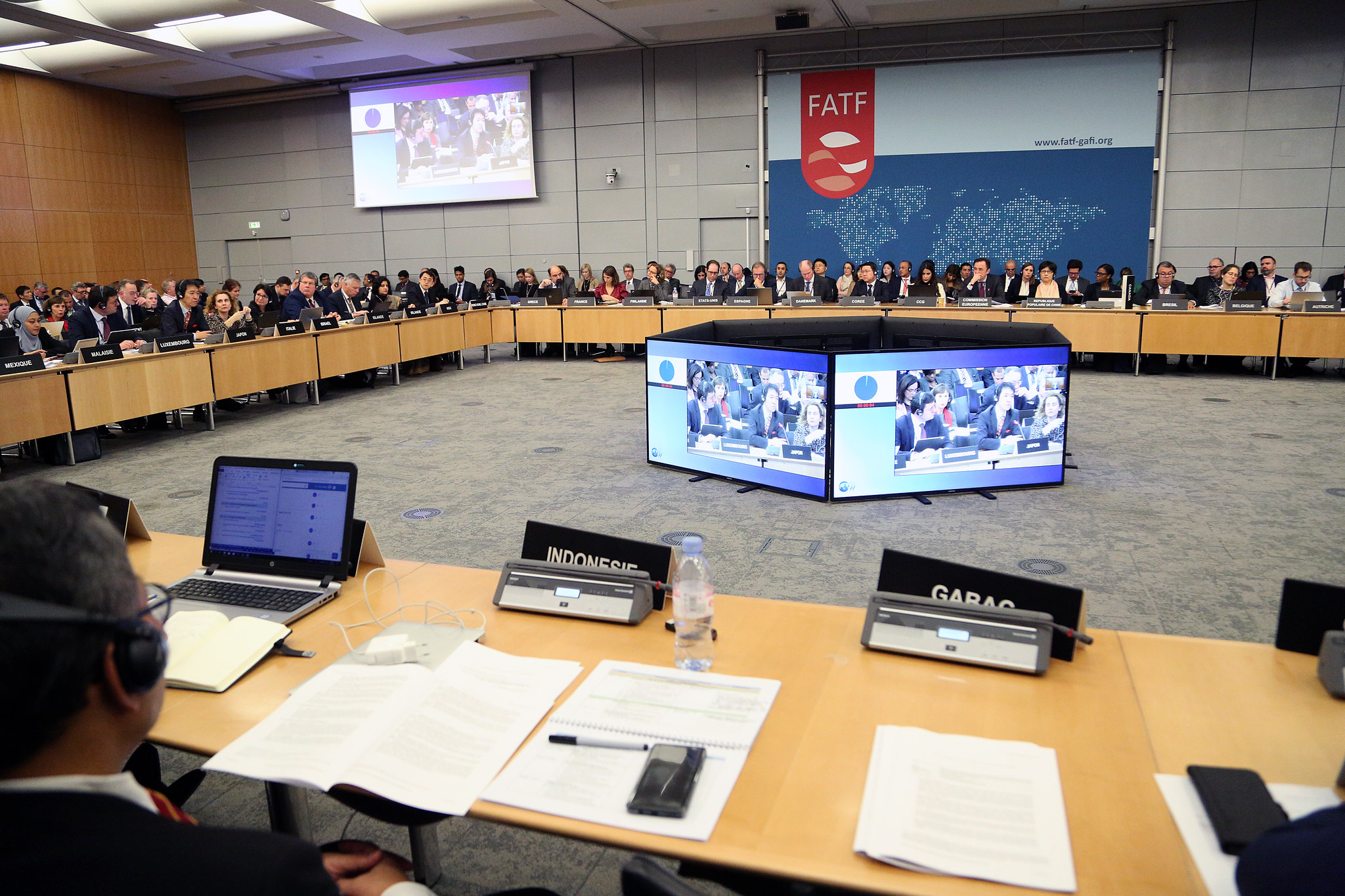
This move responds to FATF’s targeted update, where the global watchdog urges jurisdictions to accelerate VASP standards implementation, including the Travel Rule under Recommendation 15. Seychelles’ framework now demands VASPs apply to the Financial Services Authority (FSA) for licensing, enforcing comprehensive oversight. For founders and compliance officers, this signals a shift from laissez-faire to structured compliance, potentially reducing operational opacity that plagues offshore crypto hubs.
Asset Segregation: Locking Down Client Funds with Precision
At the bill’s core lies stringent asset segregation, a direct nod to lessons from collapsed exchanges like FTX. VASPs must isolate client assets from operational funds, perform regular reconciliations, and deploy robust custody controls. This isn’t optional window dressing; it’s enforceable via FSA audits, ensuring client holdings remain ring-fenced against insolvency or mismanagement.
Pragmatically, these rules mirror commodity trading safeguards I’ve navigated over 14 years, where segregated accounts prevent commingling risks. In crypto’s volatile arena, this setup minimizes ‘house asset’ bleed, protecting users while enabling VASPs to scale under regulatory cover. Early consultations, as detailed in the government’s response document, refined these mandates to balance security with feasibility, avoiding overly burdensome proof-of-reserves theatrics.
Key Seychelles VASP Bill Features
-

Mandatory VASP Licensing: Requires exchanges, wallet providers, brokers, and investment services to obtain FSA approval before operating.
-
FATF Travel Rule: Mandates VASPs to collect, verify, and transmit originator/beneficiary data for virtual asset transfers.
-
IVMS101 Data Sharing: Adopts InterVASP Messaging Standard for secure originator and beneficiary info exchange between VASPs.
-

Client Asset Segregation: Enforces separation of client funds, regular reconciliations, and robust custody controls.
IVMS101 Data Sharing: Operationalizing the Travel Rule
Turning to data flows, the bill enforces IVMS101 for Travel Rule compliance, requiring VASPs to collect, verify, and transmit originator and beneficiary details in virtual asset transfers. This standard, rebooted by the interVASP Working Group, standardizes personal information exchange between VASPs, closing gaps in cross-border monitoring.
FATF’s lens here is clear: without such protocols, crypto transfers evade traditional AML scrutiny. Seychelles mandates record-keeping and secure transmission controls, positioning local VASPs for interoperability with global peers. From a risk perspective, this curbs layering tactics in illicit flows, a persistent issue in FATF’s virtual assets contact group reports. VASPs ignoring this face licensing revocation, incentivizing adoption of relay solutions like those at TravelRuleHub for seamless IVMS101 integration.
Integrating IVMS101 isn’t merely a checkbox for Seychelles VASPs; it demands technical upgrades to messaging protocols, often via certified relays that handle encryption and interoperability. My experience in risk-managed crypto ops shows that early adopters gain a compliance edge, reducing false positives in transaction screening by up to 30% through standardized data fields like originator name, account numbers, and geographic addresses.
Navigating Licensing and Ongoing Obligations
Once licensed by the FSA, VASPs enter a regime of continuous scrutiny. The bill stipulates annual audits, incident reporting within 24 hours, and AML program updates tied to evolving FATF guidance. Asset segregation extends to cold storage mandates for at least 80% of client holdings, with proof-of-reserves submitted quarterly. This layered approach, informed by the 2022 risk assessment, targets high-velocity transfers common in DeFi and NFT markets.
For crypto compliance Seychelles-style, VASPs must embed Travel Rule Seychelles protocols into core systems. Non-compliance triggers fines up to 500,000 Seychelles rupees or license suspension, a deterrent calibrated to jurisdiction scale yet potent enough for deterrence.
Seychelles VASP Bill vs. FATF Standards: Key Requirements Comparison
| Category | Seychelles VASP Bill | FATF Standards | Alignment |
|---|---|---|---|
| Licensing Thresholds | Mandatory licensing regime for VASPs including wallet providers, exchanges, brokers, and investment providers. FSA draft regulations specify financial and capital requirements. | Require licensing or registration of VASPs (Recommendation 15). Risk-based approach with adequate thresholds. | ✅ Fully Aligned |
| Travel Rule Data Fields | VASPs must collect, verify, and securely transmit originator and beneficiary information for virtual asset transfers exceeding USD/EUR 1,000 equivalent. | Travel Rule (Interpretive Note to R.16) requires originator/beneficiary data (e.g., name, account, address, ID) for transfers ≥ USD/EUR 1,000. | ✅ Compliant via IVMS101 |
| Asset Segregation Rules | Mandatory segregation of client assets with regular reconciliations and robust custody controls to protect client funds. | VASPs subject to safeguards including segregation of customer virtual assets (Interpretive Note to R.15). | ✅ Directly Implements |
| IVMS101 Protocols | Adopts IVMS101 standard for common data sharing of personal originator and beneficiary information between VASPs. | IVMS101 recommended as global interoperable standard for Travel Rule data transmission. | ✅ Adopted for Compliance |
Risk-Adjusted Upside: Why Seychelles Appeals to Prudent VASPs
Seychelles’ framework stands out in the FATF VASPs Seychelles landscape by prioritizing feasibility over fiat-heavy regimes elsewhere. Low corporate tax at 15% pairs with streamlined licensing-typically 3-6 months for approved applicants-combining offshore appeal with onshore credibility. This setup favors VASPs handling mid-tier volumes, where IVMS101 overhead is offset by access to FATF-aligned corridors.
From a markets veteran’s view, regulated volatility here unlocks alpha: compliant platforms draw institutional flows wary of gray-list risks. Post-approval, expect a VASP influx mirroring Estonia’s e-residency boom, but anchored in asset safeguards. Early signals from public consultations show FSA flexibility on sandbox testing for novel custody tech, easing entry for wallet providers.
Challenges persist, though. Smaller VASPs may balk at reconciliation costs, estimated at 0.5-1% of AUM annually. Yet, relay services streamline IVMS101 Seychelles sharing, automating 90% of data handoffs and slashing integration timelines from months to weeks. This pragmatic tooling turns FATF mandates into operational leverage.
Future-Proofing Crypto Ops in Seychelles
As FATF’s virtual assets contact group pushes for universal Travel Rule uptake, Seychelles positions as a testbed. The bill’s alignment with IVMS101 reboot ensures cross-VASP messaging evolves without silos, vital for a fragmented ecosystem. VASPs leveraging these rules not only mitigate fines but cultivate trust, fueling growth in a post-FTX era.
Bottom line: Seychelles VASP Bill crafts a balanced regime where crypto compliance Seychelles drives resilience. VASPs prioritizing asset segregation and IVMS101 will navigate volatility with precision, turning regulatory tailwinds into sustained edge. In regulated markets, this is how you build lasting alpha.