

Travel Rule Message Relays for VASP Interoperability in 2026 FATF Compliance

In the rapidly evolving world of cryptocurrency as of March 2026, Virtual Asset Service Providers (VASPs) confront a pivotal compliance mandate: the FATF Travel Rule. This regulation requires exchanging originator and beneficiary details for virtual asset transfers, a process essential for combating money laundering yet plagued by interoperability gaps. Enter Travel Rule message relays, the linchpin for VASP interoperability 2026, enabling crypto exchanges to share data securely across borders without friction.


These relays are not mere technical stopgaps; they embody a strategic necessity. The FATF’s 2024 Targeted Update underscores persistent issues like delayed transmissions and mismatched standards, which undermine counterparty due diligence. VASPs ignoring robust relays risk operational silos, where transactions either fail or invite regulatory backlash. My two decades in finance affirm that proactive adoption of these tools aligns with a low-risk philosophy, prioritizing regulatory foresight over hasty implementations.
Decoding Travel Rule Message Relays in Practice
At their core, Travel Rule message relays facilitate encrypted, standardized communication between VASPs. When a user initiates a cross-border transfer, the originating VASP collects required data; the relay then routes it to the beneficiary VASP via secure channels. This mirrors traditional wire transfer protocols but tailored for blockchain’s speed and pseudonymity.
Industry leaders like Notabene and Chainalysis highlight how relays mitigate “black box” scenarios, where counterparties remain unidentified. For instance, solutions such as Shyft Network’s Veriscope decentralize discovery, allowing VASPs to auto-connect without prior relationships. This decentralization fosters trust, crucial as institutional custodians ramp up crypto custody under FATF scrutiny.
VASP Interoperability Challenges Persist into 2026
Despite progress, VASP interoperability 2026 remains elusive. The FATF notes that many tools fall short on seamless data exchange, with issues like incomplete IVMS101 adherence complicating matters. Crypto exchanges often deploy proprietary systems, leading to “protocol mismatches” that delay settlements and erode user experience.
Consider a typical scenario: a European VASP sending to an Asian counterpart. Without a relay bridging their formats, manual interventions ensue, breaching the 24-hour data transmission ideal. Sources like AML Watcher and MarketGuard emphasize that secure, interoperable protocols are non-negotiable for FATF compliance crypto exchanges. My view? VASPs must view interoperability as a competitive moat, not a compliance checkbox; those lagging will cede ground to agile peers.
Moreover, emerging networks amplify relay efficacy. InterVASP’s IVMS 101.2023 refines data models for completeness, while platforms like TravelRuleHub offer relay services optimizing cross-border VASP data sharing. Yet, the FATF urges tangible proof of progress, signaling stricter supervision ahead.

IVMS101 Message Protocols as the Standardization Anchor
IVMS101 stands as the gold standard for IVMS101 message protocols, a universal schema for originator-beneficiary info. Adopted widely per Notabene and VASnet, its 2023 iteration enhances usability, incorporating richer fields for due diligence. Relays leveraging IVMS101 ensure data integrity, reducing rejection rates in VASP-to-VASP handoffs.
In practice, this means VASPs can transmit complex identities; geographic data, and risk indicators without loss. Amina Bank’s analysis shows how such standards catalyze institutional adoption, with messaging networks proliferating. For compliance professionals, integrating IVMS101 via relays isn’t optional; it’s the pathway to scalable operations amid global regulatory harmonization.
Relays amplify IVMS101’s potential by acting as neutral intermediaries, shielding VASPs from direct exposure while enforcing protocol fidelity. This setup minimizes data leaks and supports privacy-preserving techniques, like tokenization of sensitive fields, aligning with evolving privacy regs alongside FATF mandates.
Strategic Benefits of Travel Rule Relays for VASPs
Adopting Travel Rule relays VASPs unlocks more than compliance; it drives efficiency and market edge. Relays cut transaction rejection rates by up to 40%, per Chainalysis insights, freeing ops teams from manual reconciliations. For FATF compliance crypto exchanges, this translates to faster settlements, boosting liquidity in cross-chain environments.
From my vantage as a CFA veteran, relays embody macro foresight. They future-proof against FATF’s promised 2026 supervision ramps, where non-interoperable VASPs face fines or de-banking. Institutional players like custodians, as ChainUp notes, prioritize relays to custody billions securely, viewing them as moats in a maturing crypto landscape.
Top 5 Benefits of Travel Rule Message Relays
-
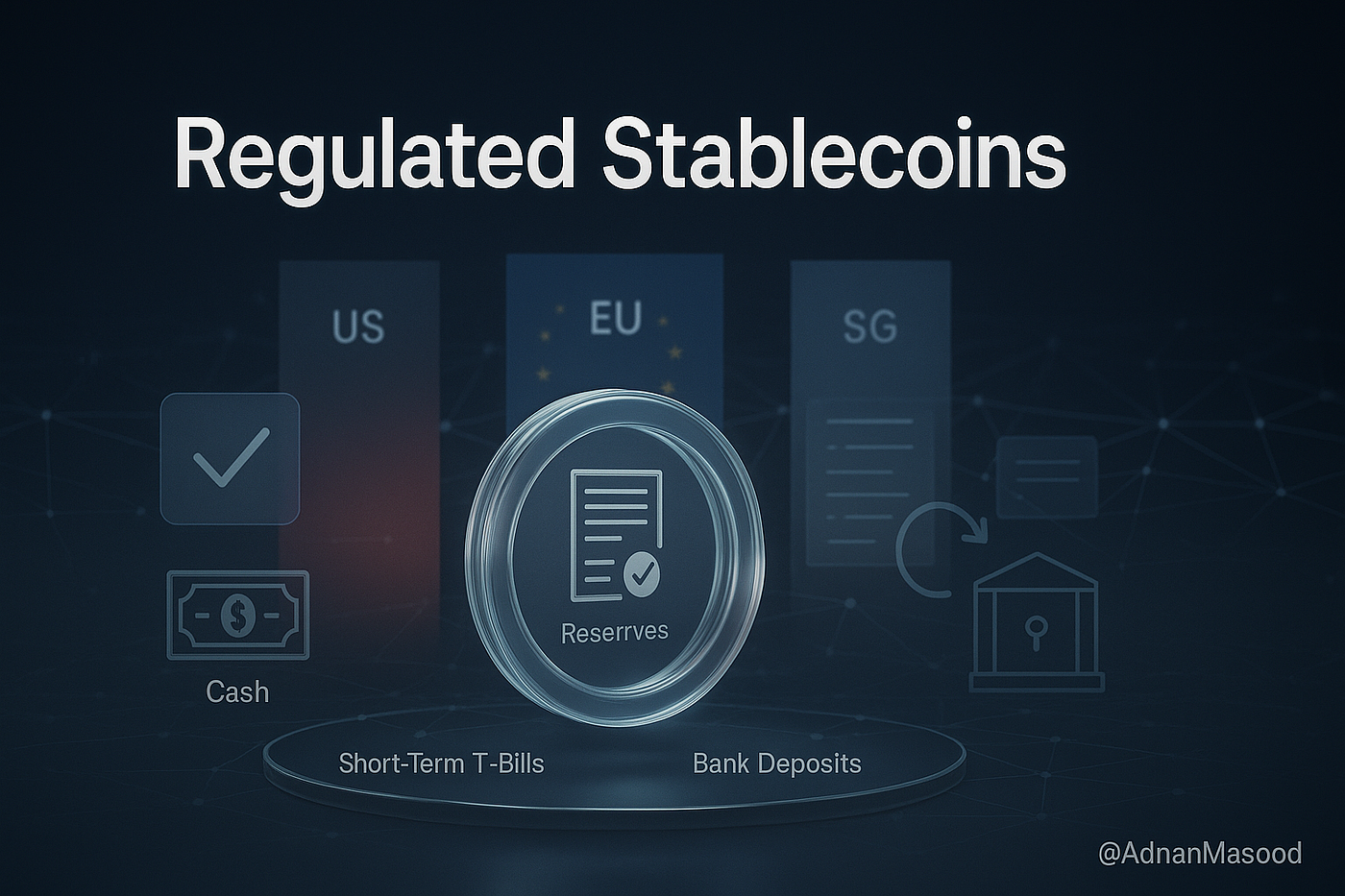
Reduced Transaction Rejections: Relays using IVMS 101 standards minimize rejections from incomplete Travel Rule data, ensuring smoother VASP transfers as per FATF guidelines.
-
Automated Counterparty Discovery: Platforms like Shyft Network’s Veriscope enable VASPs to automatically identify and connect with counterparties for compliant messaging.
-

Scalable Cross-Border Data Sharing: Interoperable protocols like IVMS 101.2023 support secure, scalable exchange of originator and beneficiary info across jurisdictions.
-

Enhanced Due Diligence: Timely data transmission via relays strengthens AML/KYC processes, addressing FATF concerns on delayed information.
-
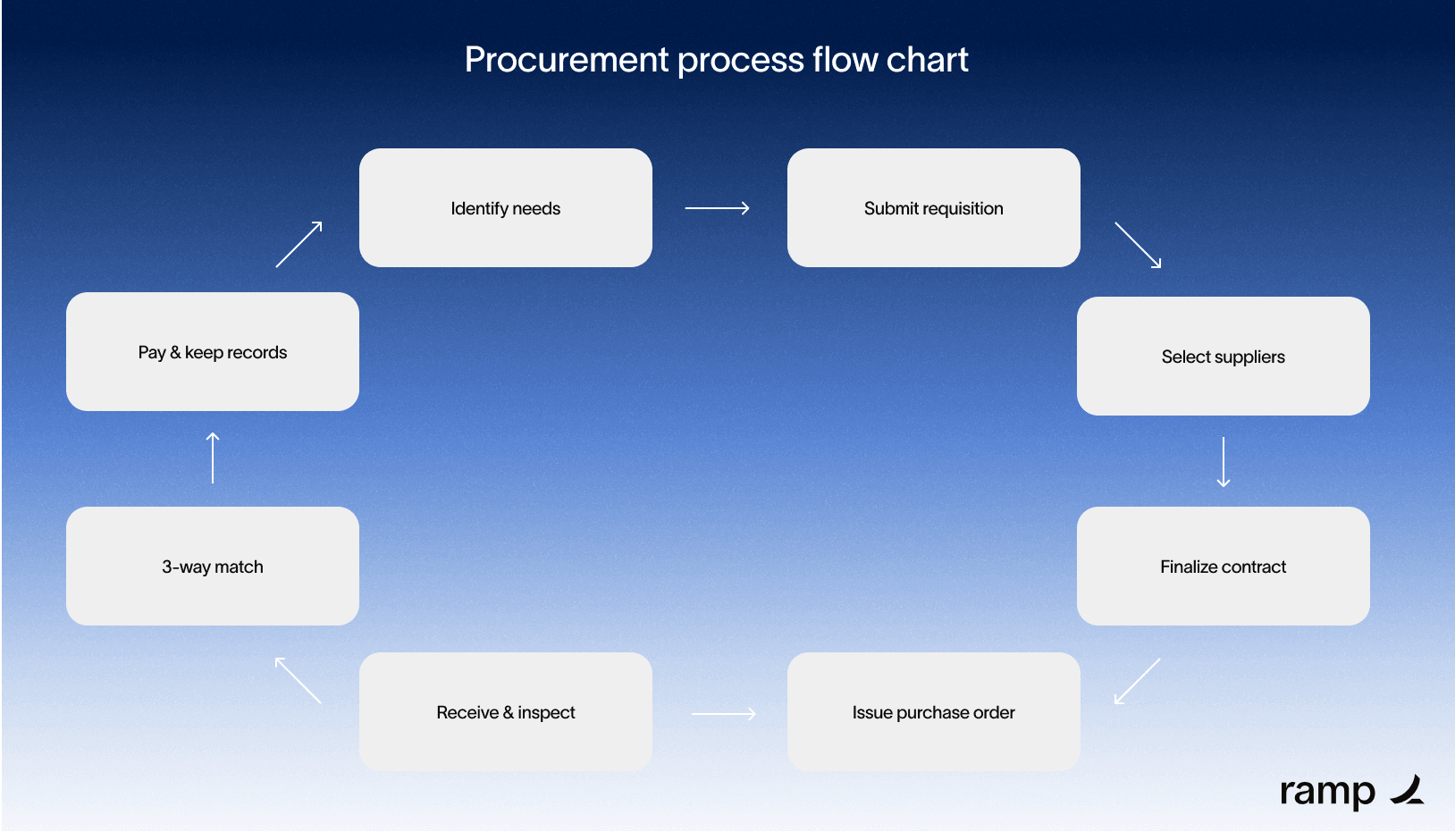
Cost Savings on Compliance Tech: Centralized relays reduce the need for multiple bilateral integrations, lowering costs for VASPs achieving FATF compliance.
Scalability shines in high-volume scenarios. A relay network handles surges during market volatility, routing cross-border VASP data sharing without bottlenecks. Shyft’s Veriscope exemplifies this, blending decentralization with IVMS101 for peer-to-peer trust, sidestepping centralized chokepoints.
Navigating Implementation: Best Practices for 2026
To harness relays effectively, VASPs should audit current stacks against IVMS101.2023 benchmarks, prioritizing vendors with proven uptime and audit trails. Pilot integrations with regional peers test interoperability before full rollout. Training compliance staff on relay dashboards ensures human oversight complements automation.
Challenges like legacy system migrations persist, but phased approaches mitigate risks. Start with high-risk corridors, like EU-Asia flows, where mismatches abound. Platforms such as TravelRuleHub streamline this, offering plug-and-play relays that parse diverse formats into IVMS101 uniformity.
Regulatory alignment demands vigilance. FATF’s 2024 update flags incomplete transmissions; relays counter this with timestamps and delivery proofs. My advice: embed relays in enterprise risk frameworks, treating them as strategic assets rather than add-ons.
The 2026 Horizon: Full Interoperability Beckons
Looking to 2026, VASP interoperability 2026 hinges on relay ubiquity. InterVASP’s ongoing refinements promise richer data schemas, incorporating AI-flagged risk signals. Expect hybrid models: decentralized relays for speed, federated networks for sovereignty.
FATF supervision will intensify, rewarding early adopters with lighter touch. VASPs excelling in IVMS101 message protocols will attract institutional flows, as Amina Bank predicts. Laggards? They’ll grapple with fragmented ecosystems, higher costs, and eroded trust.
Decentralized innovations like Veriscope signal a shift. VASPs gain auto-discovery, slashing onboarding times from weeks to minutes. This agility suits crypto’s borderless ethos while satisfying regulators’ transparency thirst.
Ultimately, Travel Rule message relays forge the compliant backbone crypto needs to thrive. They bridge technical divides, fortify due diligence, and pave scalable growth. VASPs embracing them now position for enduring value, echoing my mantra: patience and compliance yield lasting returns in volatile markets.