

FATF Stablecoin Travel Rule Compliance Guide for VASPs Using IVMS101

In the fast-evolving world of crypto, stablecoins have become the backbone of global transactions, powering everything from remittances to DeFi yields. Yet, as their dominance grows, so do the regulatory spotlights. The FATF’s recent targeted report on stablecoins and unhosted wallets underscores a stark reality: these assets now drive 84% of illicit crypto volume. For VASPs, mastering FATF stablecoin compliance isn’t optional; it’s survival. Enter IVMS101, the messaging standard turning compliance chaos into interoperable harmony.

FATF’s sharpened focus: Stablecoins under the Travel Rule lens
The Financial Action Task Force isn’t mincing words. Their March 2026 report calls out stablecoin issuers, intermediary VASPs, and even governance bodies as financial institutions under Recommendation 15. Stablecoin transfers? Explicitly virtual asset transfers, subjecting them to the full Travel Rule VASPs requirements: originator and beneficiary data must travel with every cross-border wire. June 2025’s Recommendation 16 tweaks expanded this to fraud prevention and proliferation financing, closing loopholes that once let risks slip through.
But here’s the rub: uneven global adoption breeds the ‘Sunrise Issue. ‘ VASPs in compliant jurisdictions hit dead ends with non-compliant peers, especially offshore stablecoins mingling with unhosted wallets. FATF’s best practices demand jurisdictions enforce supervision rigorously, yet challenges persist. As a regtech advocate, I see this as a pivot point. VASPs ignoring stablecoin interoperability risk fines, blacklists, and lost partnerships. Proactive adoption of relay solutions flips the script.
Decoding Travel Rule obligations for stablecoin VASPs
Picture this: a USDT transfer zips from your VASP to a counterparty. Under the Travel Rule, you must share IVMS101-formatted data – names, addresses, wallet details – before or concurrent with the transaction. Fail, and you’re non-compliant. FATF treats stablecoin developers and issuers similarly, expecting them to chain responsibilities across borders.
Key vulnerabilities? Offshore stablecoins dodging oversight and unhosted wallet handoffs obscuring trails. The 2026 context reveals stricter enforcement ahead, with crypto compliance teams bracing for expansive Travel Rule demands. My take: VASPs should prioritize VASP Travel Rule relays that bridge these gaps, ensuring data flows without friction. Tools like those at TravelRuleHub make this feasible, even amid regulatory patchwork.
IVMS101: Your interoperability superpower for stablecoins
IVMS101 standards for stablecoins aren’t just technical specs; they’re the universal translator for VASP communications. The interVASP Working Group’s updates tackle interoperability head-on, refining fields for stablecoin-specific risks like unhosted wallet interactions. Implementing this means structured data exchange: originator account numbers, beneficiary VASP identifiers, all encrypted and FATF-ready.
Core IVMS101 Fields for Stablecoin Travel Rule
-
Originator Name & Address – Full legal name and geographic address to securely identify the sender in VASP-to-VASP data sharing.
-

Beneficiary Details – Recipient’s name, account number, and address for complete end-to-end traceability.
-

Transaction Hash – Unique blockchain TxID ensuring immutable proof of the stablecoin transfer.
-
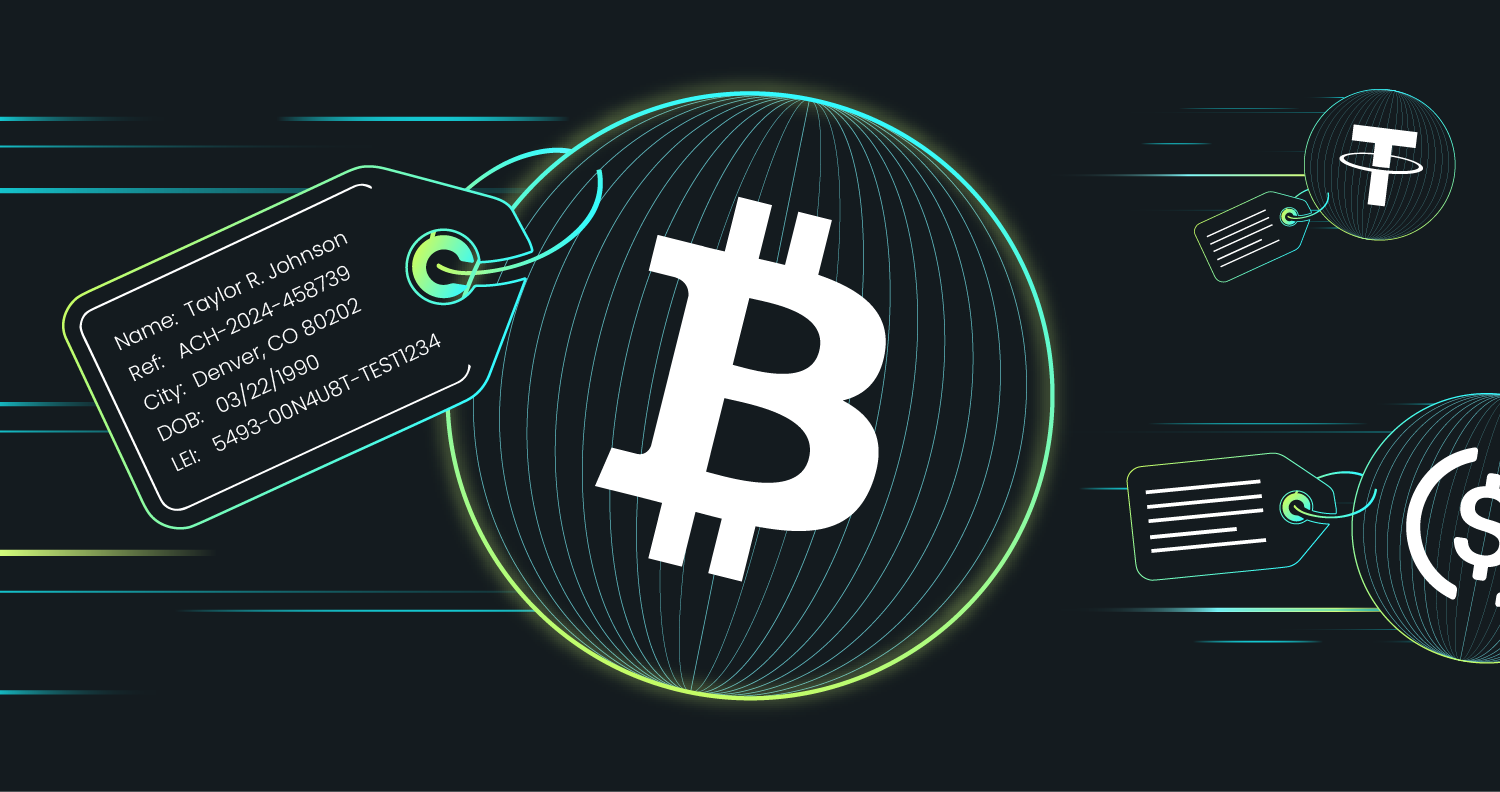
VASP Identifiers with LEI – Ordering and beneficiary VASP info, including Legal Entity Identifier (LEI) for global standardization.
Why does this matter now? With stablecoins fueling 84% of illicit flows per FATF insights, precise messaging prevents bottlenecks. VASPs using updated IVMS101 sidestep Sunrise pains, enabling seamless relays. From my 11 years in fintech, I’ve witnessed clunky systems crumble under pressure. Modern platforms champion this standard, blending innovation with regulation seamlessly.
Challenges like oVASP risks and jurisdiction mismatches demand smart strategies. FATF urges good practices: risk-based assessments, robust KYT, and relay partnerships. Lean into these, and your stablecoin operations thrive in a regulated landscape.
Relay services emerge as the game-changer here. By acting as neutral intermediaries, they connect compliant VASPs with laggards, enforcing IVMS101 protocols without direct peer-to-peer headaches. This setup minimizes rejection rates, keeps transactions flowing, and shields you from counterparty compliance risks. In my experience, VASPs prioritizing these relays report smoother audits and fewer regulatory hiccups.
Practical playbook: Overcoming stablecoin compliance hurdles
Let’s get tactical. Start with a risk-based audit of your stablecoin flows. Identify high-exposure paths – think offshore issuers or unhosted wallet bridges. Map them to IVMS101 requirements, then integrate relay APIs for automated data sharing. FATF’s 2026 supervision best practices stress this layered defense: KYT overlays on Travel Rule data catch anomalies early.
Stablecoin Travel Rule Challenges vs. Solutions
| Challenge | Solution |
|---|---|
| Sunrise Issue | VASP relays |
| Unhosted wallets | Risk scoring and IVMS101 flags |
| Offshore issuers | LEI verification |
| Data interoperability | Updated IVMS101 standards |
Numbers don’t lie. With stablecoins powering 84% of flagged illicit volume, per FATF’s March report, granular controls like these slash exposure. Pair them with ongoing staff training on evolving Recommendation 16 scopes – fraud, proliferation – and you’re ahead of the curve.
Voices from the frontlines: Real-world insights
Compliance pros echo this urgency. Industry chatter highlights how June 2025 revisions clarified chains of responsibility, pushing VASPs toward unified standards. One exchange exec shared how switching to IVMS101 relays cut their transaction halts by 70%. It’s proof: stablecoin interoperability isn’t a nice-to-have; it’s the edge in a competitive field.
Yet, pitfalls lurk. Over-reliance on manual checks breeds errors; uneven jurisdiction enforcement amplifies them. My advice? Embed automation from day one. Platforms streamlining IVMS101 standards stablecoins handle encryption, validation, and archiving effortlessly, freeing teams for strategic wins.
Looking ahead, 2026 spells intensification. Grant Thornton’s outlook predicts stricter enforcement, with FATF pushing jurisdictions on oVASP risks. VASPs adapting now – via robust VASP Travel Rule relays and IVMS101 mastery – position themselves as trusted players. They turn regulatory headwinds into tailwinds, fostering innovation in a compliant ecosystem.
Stablecoins redefine value transfer, but only if VASPs navigate FATF mandates adeptly. Championing these standards builds resilience, unlocks partnerships, and secures your slice of the $trillion stablecoin market. The bridge between regulation and innovation? It’s already here – step on it.