
Verify your identification documents
The highest-stakes compliance failure in travel is showing up at security with an ID that doesn’t meet federal standards. After the REAL ID enforcement deadline, Transportation Security Administration (TSA) agents will deny boarding to passengers who cannot present a compliant driver’s license or state-issued photo ID. This rule applies to all domestic flights and entry to federal facilities.
Before you pack your bags, treat your identification like a passport: it must be current, unexpired, and compliant. Check the expiration date on your driver’s license or state ID immediately. If it expires within six months, renew it now. An expired ID is not a backup; it is a barrier to entry.
To confirm compliance, look for the black and gold star in the upper right corner of your card. If you don’t see the star, your license is not REAL ID-compliant. You can verify your status and find your state’s specific requirements on the official Department of Homeland Security REAL ID website. Some states offer enhanced driver’s licenses (EDL) that are also accepted for land and sea travel to Canada, Mexico, and the Caribbean.
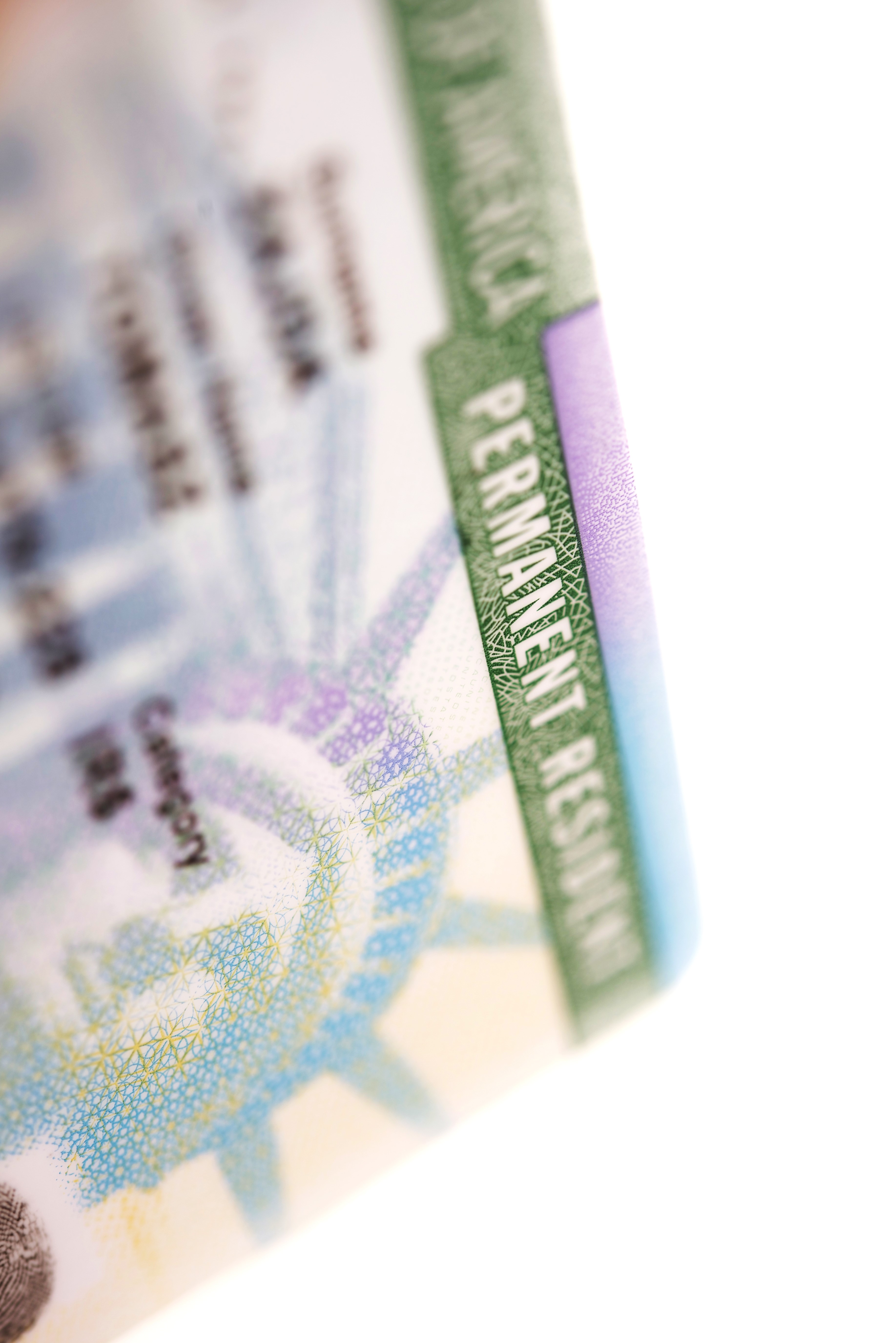
If you cannot renew your ID before your trip, you must bring an alternative acceptable form of identification. The TSA accepts U.S. passports, permanent resident cards, trusted traveler cards (Global Entry, NEXUS), and U.S. military IDs. Ensure these documents are also unexpired. Keep a digital copy of your ID in a secure cloud folder as a backup, but rely on the physical document for screening.
Pack lithium batteries correctly
Lithium-ion batteries are the most common cause of security delays and confiscated luggage. Under 2026 TSA and airline safety standards, improper packing can lead to confiscation or flight delays. Follow this sequence to ensure your electronics and spare batteries meet all safety requirements.
Before packing, remove all loose spare lithium batteries from your devices. Devices with installed batteries can stay in carry-on bags, but loose batteries must be handled separately to prevent short circuits. Check the TSA website for the latest list of allowed items.

Protect the battery terminals by placing each spare battery in its original retail packaging, a separate plastic bag, or a battery case. If original packaging is unavailable, cover the terminals with strong electrical tape. This prevents the metal contacts from touching other batteries or metal objects in your bag, which could cause a fire.
Spare lithium batteries are strictly prohibited in checked luggage due to fire risk. Place all protected spare batteries in your carry-on bag. This ensures that if a battery overheats, it can be detected and managed by the crew immediately. Devices with installed batteries may be checked, but spare cells must fly with you.
Pack your electronics so they are easily accessible for security screening. You may be asked to remove laptops, tablets, or large power banks from your bag. Organize your carry-on to speed up the process and avoid unnecessary delays at the checkpoint.
By following these steps, you minimize the risk of your batteries being flagged or confiscated. Always verify specific airline policies, as some carriers may have additional restrictions on battery watt-hour limits.
Check airline baggage and seat policies
Airline rules are tightening in 2026. Carriers are shifting more revenue from ticket prices to ancillary fees, particularly for basic economy fares. Understanding these changes before you pack or book prevents surprise charges at the gate.
Baggage fees
Basic economy tickets now carry stricter baggage limits. Most major carriers restrict carry-ons to personal items only, requiring a paid upgrade for overhead bin space. Checked bag fees have also risen, often starting at $40–$50 for domestic flights. Always verify your ticket type on the airline’s website, as "basic economy" definitions vary slightly between carriers.
Seat assignments
Seat selection has become a primary revenue driver. In 2026, most airlines charge for standard seat selection even on basic economy tickets. Southwest is phasing in its new EarlyBird Check-In and paid seat assignment model, ending its long-standing free open-seating policy. If you travel with a group, booking together early is essential to secure adjacent seats without paying premium fees.
Compare policies
Use the table below to compare standard vs. basic economy policies for major U.S. carriers in 2026. Always check the airline’s official site for the most current fees, as they change frequently.
| Carrier | Basic Carry-On | Basic Seat Selection | Standard Seat Selection |
|---|---|---|---|
| Delta | Personal item only | $15–$65 | Free |
| United | Personal item only | $15–$65 | Free |
| American | Personal item only | $15–$65 | Free |
| Southwest | Personal item + Carry-on | $5–$45 | Free (with purchase) |
Review international entry requirements
Compliance with new visa, ETIAS, or travel ban suspensions that take effect in 2026 is the final checkpoint before you pack. A single overlooked regulation can result in denied entry, so verify the specific entry rules for your destination and transit points.
Check for new visa or ETIAS mandates
Many countries are implementing electronic travel authorizations or updating visa waiver programs. The European Union’s ETIAS system, for example, requires pre-screening for visa-exempt travelers. Check the official immigration website of your destination country to see if you need to apply weeks in advance. Do not rely on third-party travel blogs for this data; use only official government portals.
Verify travel ban suspensions
Be aware that geopolitical shifts can trigger sudden entry restrictions. For instance, an expanded "Travel Ban" targeting nationals of specific countries is set to take effect on January 1, 2026, for those outside the United States without a valid visa [[src-serp-4]]. If you hold a passport from a listed nation, confirm your eligibility immediately. Even if you are not from a listed country, check if your destination has imposed reciprocal restrictions.
Confirm transit and exit rules
Entry requirements often depend on your route. Some countries require transit visas even if you do not leave the airport. Additionally, verify exit requirements for your home country, such as proof of onward travel or sufficient funds. Airlines are increasingly strict about these documents at check-in, as they face heavy fines for transporting improperly documented passengers [[src-serp-7]].
Document your compliance
Save digital copies of all approved visas, ETIAS authorizations, and entry permits on your phone and in your email. Print physical copies as a backup. Keep these documents separate from your passport in case of loss. Having immediate access to these approvals can speed up immigration processing and resolve any queries from border officials.
Final pre-departure compliance check
Before you head to the airport, run through this five-point compliance sequence. This checklist consolidates the most critical regulatory updates for 2026, ensuring your documents and luggage meet current standards.
- Valid Identification: Confirm your passport has at least six months of validity remaining and that any required visas are stamped or digital-ready. Check TSA.gov for real-time ID requirements.
- Battery Regulations: Lithium-ion batteries must be in carry-on luggage. Ensure devices are turned off and protected from short circuits.
- Visa and Entry Permits: Verify destination-specific entry rules. Many countries now require electronic travel authorizations (ETAs) prior to boarding.
- Baggage Restrictions: Review airline-specific weight and size limits. Prohibited items lists have expanded in 2026; check your carrier’s website for updated liquid and gadget rules.
- Travel Insurance: Confirm your policy covers medical emergencies and trip cancellations. Keep digital and physical copies of your policy number accessible.
-
Passport validity (6+ months)
-
Visa/ETA confirmed
-
Lithium batteries in carry-on
-
Baggage weight verified
-
Travel insurance active
Common questions about 2026 travel rules
Travelers often ask how strict enforcement will be and what happens if they miss a deadline. The short answer is that agencies are moving from soft warnings to active checks. TSA and Customs and Border Protection have increased staffing at major hubs, meaning random screenings and document checks happen more frequently than in previous years.
What happens if my ID isn’t REAL ID compliant?
If you attempt to board a domestic flight without a compliant ID after the enforcement deadline, you will not be allowed through security. TSA officers cannot make exceptions. You will need to provide alternative identification or go through a secondary screening process that may delay your travel by an hour or more. Check the DHS website for the exact compliance deadline for your state.
Are lithium batteries restricted in 2026?
Yes. The TSA has tightened rules on loose lithium batteries. Spare batteries must be carried in your carry-on, not checked bags. Any battery over 100 watt-hours requires airline approval. If you pack loose batteries in checked luggage, your bag will likely be pulled for inspection, and you may miss your flight. Label battery terminals to prevent short circuits.
Do basic economy tickets have new restrictions?
Airlines are increasingly using basic economy fares to restrict last-minute changes. Many carriers now charge fees for any ticket changes or cancellations on these fares. Some airlines also restrict carry-on sizes more strictly for basic economy passengers. Always read the fare rules before booking, as these restrictions can add significant costs if your plans change.
No comments yet. Be the first to share your thoughts!