
Check your ID compliance first
Before you book a flight or pack your bags, verify that your identification meets current standards. The REAL ID enforcement deadline passed on May 7, 2025, making compliant identification mandatory for all domestic air travel. If you present a standard driver’s license at security, you will be turned away, regardless of your ticket status. This is the most common point of failure for travelers in 2026.
Start by locating your driver’s license or state-issued ID card. Look for a black star in the upper right corner of the front side. This star indicates the card is REAL ID-compliant and accepted for federal purposes, including boarding domestic flights. If your card lacks the star, it is not valid for air travel security checkpoints.
If your current ID is expired or does not feature the star, you must apply for a replacement through your state’s DMV. Processing times vary by location, so do not wait until the last minute. Alternatively, you can use other TSA-accepted forms of identification, such as a valid U.S. passport or passport card, which do not require the state star marker.
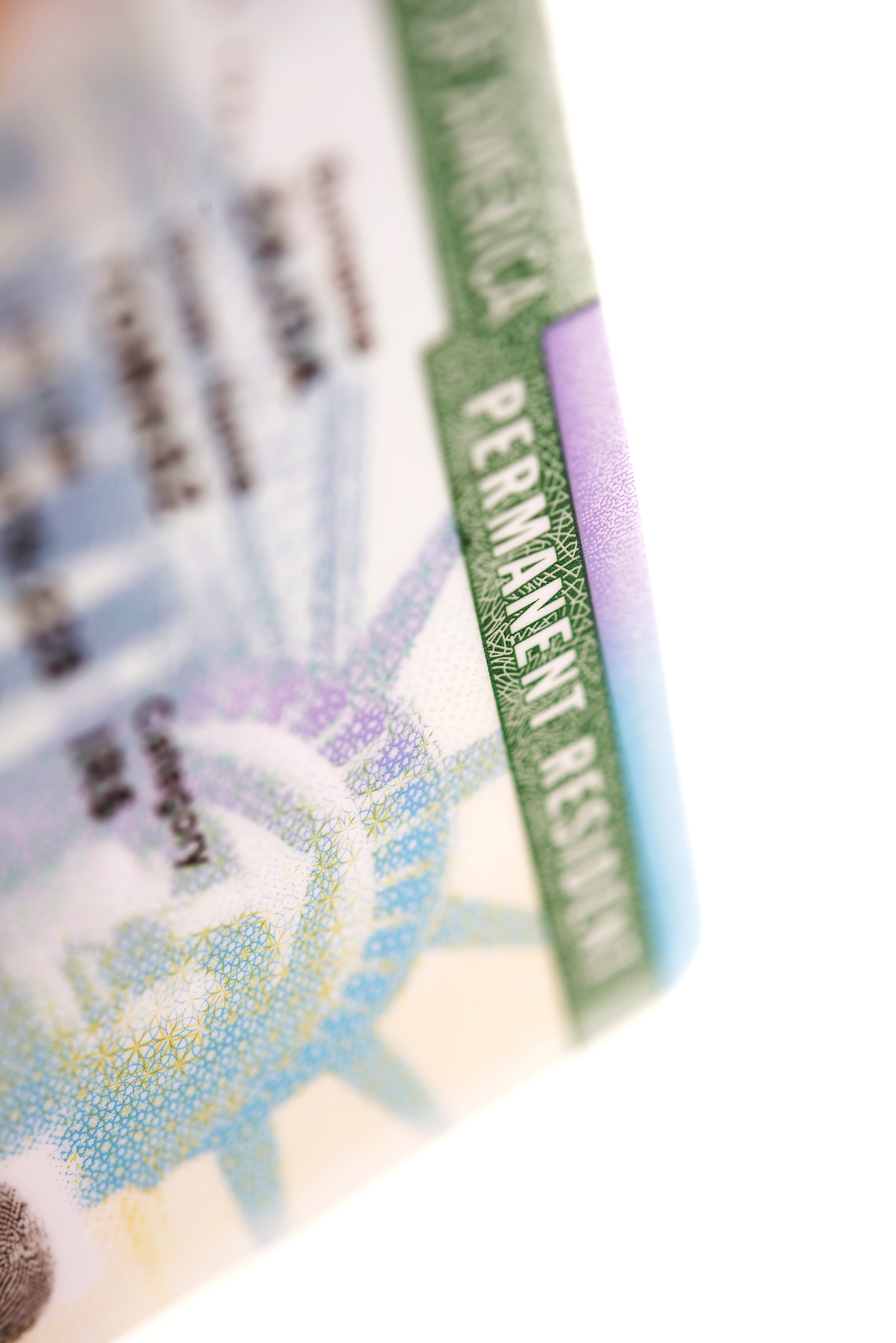
Treat this verification as your first step in the travel sequence. A compliant ID is the key that unlocks the rest of your journey. Without it, even the best-planned itinerary will stall at the security line. Check your ID status today to avoid unnecessary delays and stress when you arrive at the airport.
Pack according to new security limits
The 2026 travel season brings tighter scrutiny at security checkpoints, particularly for electronics and liquids. TSA agents are enforcing stricter protocols for carry-on items, meaning your packing strategy needs to adapt before you reach the checkpoint. Focus on battery safety and liquid measurements to avoid delays or confiscation.
Check battery specs
Lithium batteries are the primary focus of new screening protocols. Any spare lithium-ion batteries must be carried in your carry-on bag, never in checked luggage. Ensure all batteries are individually protected to prevent short circuits by placing them in original retail packaging, a dedicated battery case, or by taping over the terminals.
Devices containing lithium batteries larger than 100 watt-hours require airline approval before boarding. Verify your device’s specifications against TSA guidelines to ensure compliance. If you are traveling with high-capacity power banks, keep them easily accessible in your personal item rather than buried in checked bags.
Measure liquids
The standard 3-1-1 liquid rule remains in effect, but enforcement is becoming more precise. Each passenger is allowed one clear, quart-sized, resealable plastic bag for liquids, gels, and aerosols. Each container must hold 3.4 ounces (100 milliliters) or less.
Place your liquids bag at the top of your carry-on for quick removal during screening. If you have travel-sized toiletries, double-check the volume markings. Containers larger than 3.4 ounces, even if partially full, are prohibited in carry-ons and must be packed in checked luggage.
Prepare for screening
Efficiency at the checkpoint depends on how you organize your bag. Remove your liquids bag and all electronic devices larger than a smartphone from your carry-on before you reach the conveyor belt. Place these items in separate bins to allow X-ray machines to scan them clearly.
Wear easy-to-remove shoes and avoid excessive metal accessories. If you are unsure about an item, check the TSA website or contact your airline before you pack. Being prepared reduces the likelihood of secondary screening and keeps your travel day on schedule.
Update your international entry documents
Your passport is no longer just a book of pages; it is now a digital key. Starting April 10, 2026, the European Union’s Entry/Exit System (EES) becomes fully operational, replacing the traditional ink stamp with a biometric digital record. This shift affects non-EU nationals traveling for short stays, meaning you must prepare for a different check-in process at the border.
The EES captures your facial image, fingerprints, and travel document data upon entry and exit. This creates a precise digital trail of your movements, reducing fraud and speeding up border checks for frequent travelers. However, it also means you cannot simply arrive and walk through; you must be ready to provide biometric data at designated kiosks or gates.
Beyond the EES, visa-free and visa-on-arrival policies are tightening. Some countries are introducing temporary travel restrictions for specific visa holders during periods of international risk. For example, Australia’s Migration Amendment Act 2026 grants the Minister power to restrict travel for certain offshore temporary visa holders. Always verify your specific visa status and entry requirements well before your departure date, as these rules can change with little notice.
To avoid delays, ensure your passport is valid for at least six months beyond your planned stay and that your digital travel profiles are updated. If you are traveling to the Schengen Area, expect to spend extra time at the border for biometric enrollment if it is your first time using the EES. Keep digital copies of your visa approvals and entry permits accessible on your phone, as border officials may request proof of your authorized stay.
Verify airline policy changes
Before you book your 2026 flights, you need to look past the ticket price and read the fine print. Airlines are tightening their refund and loyalty policies, meaning the rules that applied last year may no longer apply to your specific itinerary.
Start by checking the carrier’s "Conditions of Carriage" or "Contract of Carriage." These legal documents outline exactly when you can get a cash refund versus an e-credit. Many carriers have moved toward non-refundable base fares, reserving flexibility for higher-tier tickets or premium cabins. If you are booking a basic economy fare, assume the ticket is non-changeable and non-refundable unless explicitly stated otherwise.
Next, review the loyalty program terms. Points and miles are subject to change, and airlines can devalue currencies or alter redemption charts with little notice. If you are saving up for a specific award flight, check the current availability and point requirements today. Do not wait until the last minute, as inventory can disappear quickly.
Finally, look for any new baggage or seat selection fees. These ancillary charges are increasing across the industry and can significantly impact your total travel cost. Some airlines now charge for carry-on bags in certain fare classes, while others have introduced dynamic pricing for seat assignments. Add these costs to your budget before finalizing your purchase to avoid unpleasant surprises at the airport.
If you want a visual summary of how these changes affect your travel planning, this video breaks down the key updates for 2026:
Final pre-departure verification steps
Before you head to the airport, treat your document check like a pre-flight inspection. Missing a single item can delay your entry or force you to rebook. Use this sequence to ensure your ID, digital certificates, and travel plans are ready for the 2026 TSA and entry requirements.
1. Verify REAL ID and Passport Validity
Start with your primary identification. For domestic flights, ensure your driver’s license or state ID is REAL ID-compliant. For international travel, check that your passport has at least six months of validity remaining. The European Entry/Exit System (EES) now captures biometric data for non-EU nationals, so your physical document must be in pristine condition to ensure a smooth scan.
2. Confirm Digital Certificates and Visas
Many countries now require digital health or vaccination certificates linked to your passport number. Log into the relevant government portal or airline app to verify these are active and accessible offline. If you need a visa, confirm it is stamped or digitally linked to your passport before you leave for the airport.
3. Review Carry-On and Liquids Rules
TSA carry-on rules for 2026 continue to emphasize strict liquids enforcement. Ensure all liquids are in containers of 3.4 ounces or less and fit comfortably in a single quart-sized bag. Remove laptops and large electronics from your bag before you reach the security checkpoint to speed up the screening process.
4. Final Document Audit
Perform one last check of your boarding pass, hotel reservations, and any required entry forms. Save digital copies of all documents to your phone and print a physical backup. This redundancy protects you against lost phones or poor connectivity at the airport.
-
REAL ID-compliant license or passport ready
-
Digital certificates verified and accessible offline
-
Liquids and electronics packed for quick removal
-
Boarding pass and reservations printed or saved
Frequently asked questions about 2026 travel
Work through Travel Rule Hub
No comments yet. Be the first to share your thoughts!