
Verify your Real ID status now
The February 1, 2026, enforcement deadline for Real ID requirements is approaching. Starting that date, the Transportation Security Administration (TSA) will strictly enforce identification standards for all domestic air travel. Without a compliant credential, you will not be allowed through security checkpoints.
This change is a central part of the 2026 travel regulations that affect every domestic flyer. The TSA will no longer accept standard driver’s licenses or state IDs that lack the required security features. You must have a Real ID-compliant license, a state-issued Enhanced Driver’s License (EDL), or an alternative acceptable form of identification such as a valid U.S. passport or passport card.
Check your current ID
Look at the top right corner of your current driver’s license or state ID card. A compliant card will feature a gold star inside a circle. If your card has a star, it is already compliant, and you do not need to take any further action before your next flight.
Identify non-compliant IDs
If your card does not have a star, it is not compliant for federal purposes after February 1, 2026. Some states may issue Enhanced Driver’s Licenses (EDLs) that are compliant but do not use the star symbol. These cards will typically have a small American flag icon in the corner. If you have neither a star nor a flag, your current ID will be insufficient for boarding domestic flights once the new rules take effect.
Apply for compliance
If you need to update your identification, you must visit your local Department of Motor Vehicles (DMV) or equivalent state agency. You will need to provide specific documents to prove your identity, Social Security number, and state residency. Requirements vary by state, so check your local DMV website for the exact list of acceptable documents before making an appointment.
Use an alternative ID
If visiting the DMV is not feasible before the deadline, you can use other forms of identification that are already compliant. A valid U.S. passport or passport card is accepted for all domestic flights. Military identification cards and Trusted Traveler Program cards (such as Global Entry or NEXUS) are also acceptable alternatives.
The consequences of non-compliance are significant. Without a Real ID or alternative acceptable ID, you will be required to undergo additional screening procedures at the TSA checkpoint. This process takes considerably longer and may cause you to miss your flight. Plan your ID verification well in advance of your travel dates to avoid these disruptions.
Update your visa and entry requirements
International entry rules are shifting significantly for 2026 travel regulations. Many countries are moving away from traditional visa stamps toward digital authorizations, while others are tightening passport validity windows. If you are planning a trip abroad, your first step is to verify the specific entry requirements for your destination and nationality. Relying on outdated information or assuming your current visa status is still valid can lead to denied boarding or entry refusal.
Start by checking the official government website of your destination country. Look for updates on Electronic Travel Authorizations (ETAs) or e-Visas. For example, the United Kingdom has increased its ETA application fee to £20 and enforced a strict "no ETA, no boarding" policy for eligible travelers. Airlines are now responsible for verifying these digital permissions before you board, so you cannot resolve missing authorizations at the gate. Similarly, the United States has implemented new restrictions on certain nonimmigrant visa holders from specific countries, effective in 2026. Always consult the embassy or consulate website directly, as third-party travel blogs may not reflect the latest policy shifts.
Next, verify your passport validity. Many countries require your passport to be valid for at least six months beyond your planned date of departure. Some nations have tightened this to ten months or more. If your passport expires soon, renew it immediately. Do not wait until you are at the airport, as emergency renewals are expensive and time-consuming. Keep a digital copy of your visa or ETA approval in your email and on your phone, but also print a physical copy to carry with your passport.
Finally, check if you need a transit visa if your itinerary includes a layover in a third country. Even if you do not leave the airport, some countries require transit visas for citizens of certain nationalities. These rules are often overlooked but can disrupt your travel plans. Use the IATA Travel Centre tool as a preliminary check, but always confirm with the official immigration authority of the transit country.
Adjust luggage and security protocols
Navigate Travel Regulations Before You Fly works best as a clear sequence: define the constraint, compare the realistic options, test the tradeoff, and choose the path with the fewest hidden costs. That order keeps the advice usable instead of decorative. After each step, pause long enough to check whether the recommendation still fits the reader's actual situation. If it depends on perfect timing, unusual access, or a best-case budget, include a simpler fallback.
| Factor | What to check | Why it matters |
|---|---|---|
| Fit | Match the option to the primary use case. | A good deal still fails if it does not fit the job. |
| Condition | Verify age, wear, and service history. | Hidden condition issues erase upfront savings. |
| Cost | Compare purchase price with likely upkeep. | The cheapest option is not always the lowest-cost option. |
Review airline and loyalty program changes
Navigate Travel Regulations Before You Fly works best as a clear sequence: define the constraint, compare the realistic options, test the tradeoff, and choose the path with the fewest hidden costs. That order keeps the advice usable instead of decorative. After each step, pause long enough to check whether the recommendation still fits the reader's actual situation. If it depends on perfect timing, unusual access, or a best-case budget, include a simpler fallback.
The simplest way to use this section is to write down the real constraint first, compare each option against it, and choose the path that still works outside ideal conditions.
Finalize your 2026 travel compliance checklist
Getting through 2026 travel regulations requires a systematic review of your documents before you reach the airport. The landscape has shifted with new TSA enforcement dates and stricter international entry protocols, making a final compliance sweep essential. Treat this checklist as your final gatekeeper; missing a single item can result in denied boarding or significant delays.
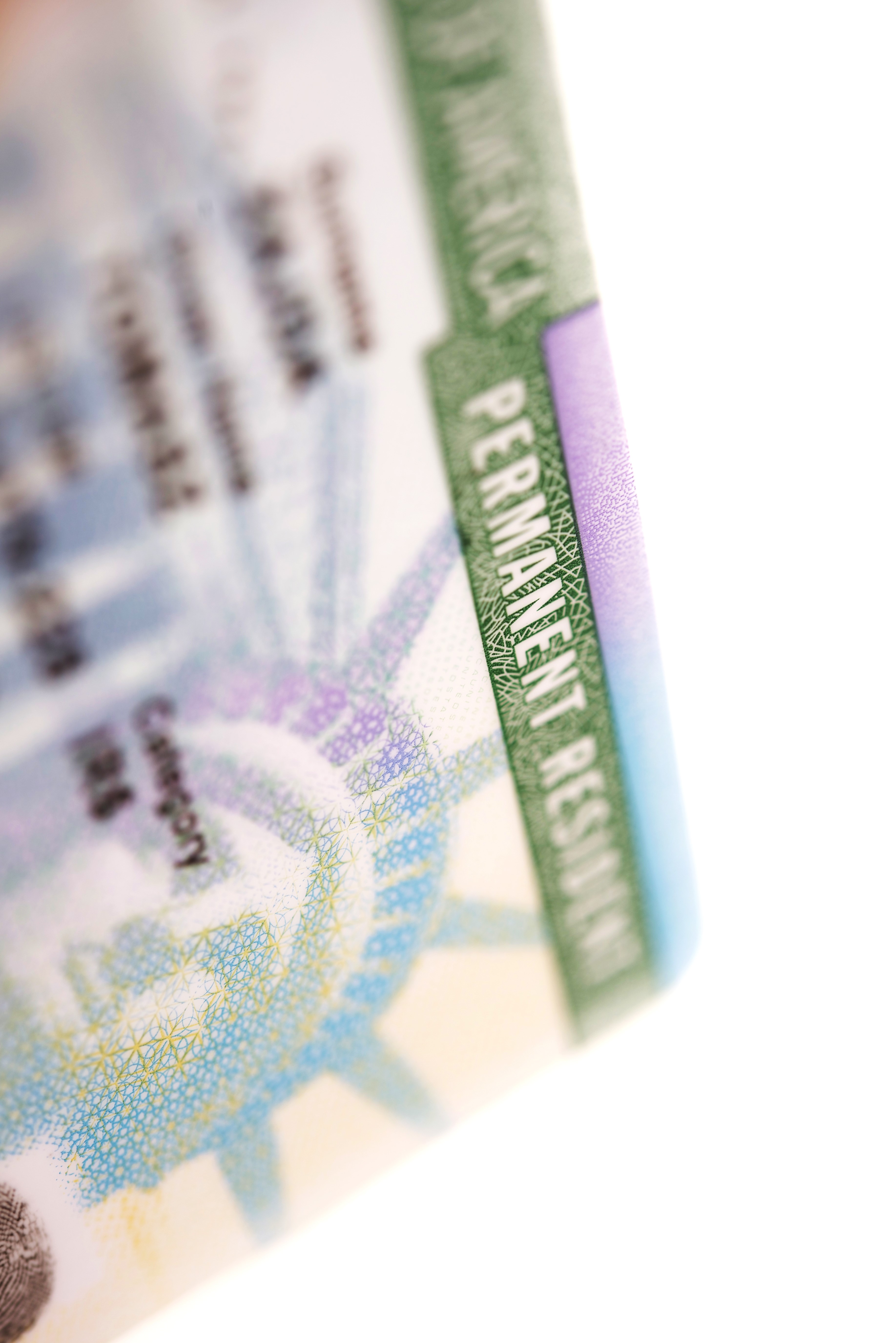
Beginning February 1, 2026, TSA strictly enforces Real ID requirements for domestic flights. Ensure your state-issued license is fully compliant or carry a valid passport. For international trips, confirm your passport has at least six months of validity remaining from your entry date, as many countries enforce this rule rigorously.
Visa policies are evolving rapidly in 2026. Check if your destination requires an Electronic Travel Authorization (eTA) or a traditional visa. Many nations have digitized entry permits, so apply well in advance to avoid last-minute rejections. Keep digital copies of all approvals accessible on your phone.
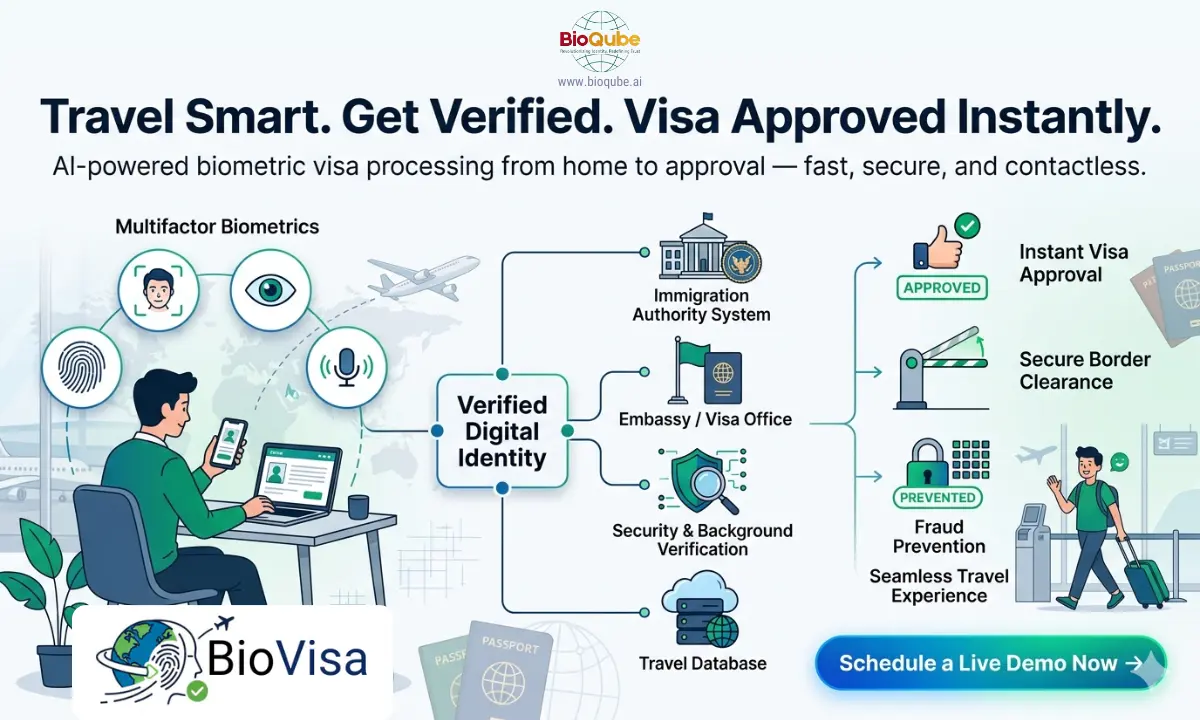
Health screening protocols have become more standardized. Verify if your destination requires pre-travel health declarations or specific vaccination records. Additionally, review customs regulations regarding duty-free allowances and restricted items to ensure your luggage complies with local laws.
Airlines are tightening carry-on restrictions to streamline boarding. Review your ticket’s baggage policy for exact dimensions and weight limits. Remove any prohibited electronics or liquids from your carry-on before arriving at the terminal to speed up security screening.
-
Real ID or passport ready for domestic flights
-
Visa or eTA approved for international destination
-
Passport validity exceeds 6 months
-
Health declarations submitted if required
-
Carry-on bag meets airline size limits
Cross-reference every item above against official government travel sites and your airline’s latest policy page. Once checked, store digital copies of all documents in a secure cloud folder accessible offline. This preparation ensures you meet all 2026 travel regulations without stress.
Common questions about 2026 travel regulations
Travelers often have specific questions about the upcoming regulatory changes. Below are answers to the most frequent queries regarding 2026 travel regulations.
No comments yet. Be the first to share your thoughts!