
Spot the trends that fit your style
Before you book a flight or train ticket, pause to define what you want this trip to feel like. The 2026 travel trends are less about destinations and more about intentionality. Hilton’s recent report identifies the "Whycation" as a primary shift, where travelers prioritize purpose over volume. Whether that purpose is relaxation, learning, or simply disconnecting, matching your goal to the right trend saves time and money.
To start, look at your current stress levels and interests. If you crave deep rest without the pressure of sightseeing, consider dry tourism or a digital detox retreat. These options remove the noise of modern life, allowing you to recharge fully. If you prefer movement and comfort, the luxury rail revival offers a scenic, low-stress way to explore multiple regions without the hassle of airport security.
For those seeking connection, ancestry travel or small-group cultural immersion might resonate. These trends focus on meaningful interactions rather than checklist tourism. Use the image below to visualize the kind of close, personal connection these intentional trips often foster.

Once you’ve picked a theme, narrow your search. If you chose rail, look into European or Asian luxury routes. If you chose dry tourism, search for "unplugged" resorts or nature lodges. This targeted approach ensures your 2026 travel trends align with your personal goals, creating a trip that feels restorative rather than exhausting.
Build your itinerary around the trend
Structuring a trip around 2026 travel trends requires shifting from rigid schedules to flexible frameworks. The goal is to prioritize meaningful engagement over checklist tourism. When you anchor your itinerary to a specific trend, such as slow travel or community wellness, you create space for authentic experiences that define this year's travel landscape.
Start by selecting a location that naturally supports the trend you want to explore. If you are following the rail revival, choose a region with robust train networks like Europe or Japan. For wellness through community, look for destinations known for local festivals or retreat centers. The destination should facilitate the experience, not just serve as a backdrop.
Reserve your primary activities before booking accommodation. In 2026, unique experiences like workshops, guided nature walks, or local dining events often have limited capacity. Securing these anchors ensures your trip reflects the trend you chose. Accommodation can be booked later, often with more flexibility, once you know where you will be spending your days.

Avoid overpacking your schedule. The 2026 travel trends emphasize depth over breadth. Leave at least one day or half-day open in each location. This buffer allows you to follow local recommendations, extend a conversation with a host, or simply rest. Spontaneity is where the most memorable parts of modern travel often occur.

Research how to connect with the local community before you arrive. Look for platforms or guides that highlight local artisans, farmers, or cultural events. Engaging with residents directly is a hallmark of the current shift toward meaningful travel. This step transforms a standard visit into a participatory experience.

Be willing to pivot. If a planned activity feels rushed or inauthentic, drop it. The flexibility to change plans is a key advantage of trend-based travel. Use your buffer time to explore unexpected opportunities that arise during your journey. This adaptability ensures your trip remains aligned with your initial intent.
By following these steps, you create an itinerary that is both structured and adaptable. This approach ensures that your travel trends 2026 choices result in a trip that is personally rewarding and culturally respectful. The focus remains on quality of experience rather than quantity of sights.
Avoid common booking mistakes
You’ve spotted the new travel trends, but booking them incorrectly can ruin the experience before you even pack. Many 2026 trends rely on specific pacing and logistical flexibility that standard itineraries ignore. Over-scheduling is the most common pitfall, especially when chasing niche experiences like astro-tourism or hushpitality retreats. These activities require downtime and quiet, not a frantic checklist.
Another frequent error is ignoring the off-peak nature of these trends. While “whycations” and nature-based wellness are growing, they often mean traveling during less conventional windows or to lesser-known locations. Booking these without checking local seasonal rhythms can lead to higher prices or limited availability. Use a checklist to verify your dates align with local conditions rather than just your personal calendar.
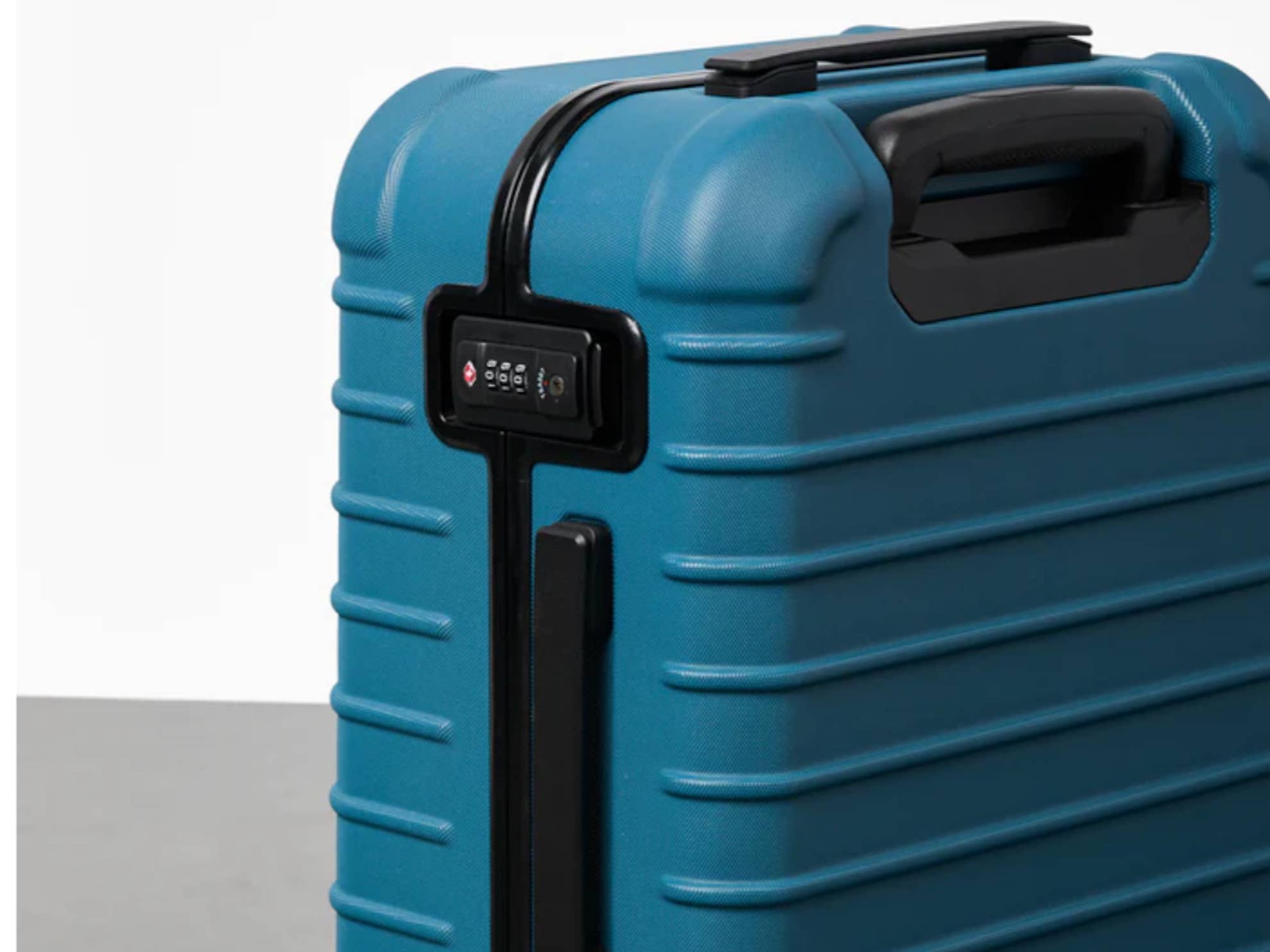
Finally, don’t overlook the physical logistics of modern travel gear. The rise of specific carry-on trends, like zipperless closures, means your packing strategy must adapt. If you’re following the latest luggage styles, ensure your itinerary accommodates the weight and size restrictions of your chosen transport. A streamlined bag helps you move through airports faster, reducing stress and keeping your focus on the experience rather than the hassle.
Check your digital entry requirements
Before you pack, verify the digital border security rules for your destination. Many countries are rolling out new digital waivers and AI-driven processing updates for 2026 travel trends. These systems streamline entry but require advance preparation.
Start by checking passport validity. Most nations require six months of validity beyond your stay. Next, look for e-visa updates. Some countries have moved from paper visas to fully digital applications that must be approved before boarding.
If your destination still requires health declarations, download the official app or complete the form online. Airlines often check these documents before issuing boarding passes. Having them ready prevents delays at the gate.
-
Verify passport validity (6+ months)
-
Check for e-visa updates
-
Confirm digital health declarations if applicable
-
Download airline apps
These steps ensure you meet all digital entry requirements. Missing a digital waiver can lead to denied boarding or fines. Plan ahead to avoid last-minute surprises.
How travelers are executing 2026 travel trends
The shift from passive sightseeing to intentional planning is visible in real-world bookings and community discussions. Travelers are moving away from viral check-ins toward experiences rooted in specific purposes, whether that’s reconnecting with heritage or prioritizing wellness through community.
As noted by industry analysts, this movement toward the "Whycation" represents a fundamental change in how people value their time away. The trend emphasizes depth over breadth, with many opting for slower, more immersive itineraries that align with personal values rather than algorithmic suggestions.
Real-world execution often looks like choosing rail over air for regional trips or selecting destinations that support local ecosystems. This approach reduces carbon footprints while offering a more authentic connection to the places visited, proving that 2026 travel trends are about quality of experience, not just quantity of miles.
Questions about 2026 travel trends
Planning your 2026 travel trends requires balancing new experiences with practical logistics. Here are answers to the most common questions about cost, timing, and booking methods for this year’s shifts.
No comments yet. Be the first to share your thoughts!