
Get digital travel id 2026 right
Start The Traveler’s to Digital Identity with the constraint that matters most in real life: space, timing, budget, skill level, maintenance, or availability. That first constraint should shape the rest of the plan instead of appearing as an afterthought. Keep the first pass simple enough to verify. Compare the main options against the same criteria, remove choices that only work in ideal conditions, and save optional upgrades for later.
The simplest way to use this section is to write down the real constraint first, compare each option against it, and choose the path that still works outside ideal conditions.
Work through the steps
The Traveler’s to Digital Identity works best as a clear sequence: define the constraint, compare the realistic options, test the tradeoff, and choose the path with the fewest hidden costs. That order keeps the advice usable instead of decorative. After each step, pause long enough to check whether the recommendation still fits the reader's actual situation. If it depends on perfect timing, unusual access, or a best-case budget, include a simpler fallback.

Common Digital Identity Mistakes at the Border
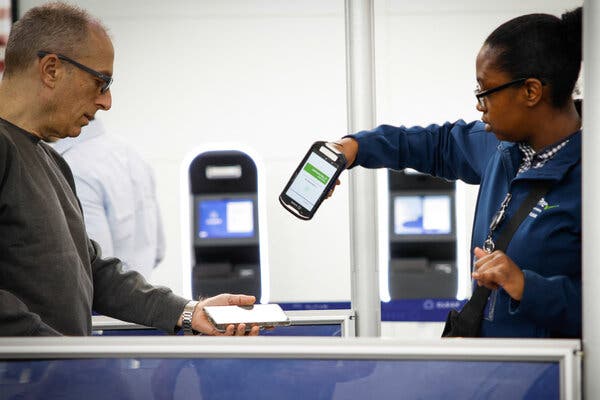
Even with GDPR-compliant protocols in place, travelers often face delays because their digital credentials don't match physical requirements. The TSA now accepts Digital IDs via Apple Wallet or Google Wallet at over 250 airports, but this convenience comes with strict prerequisites that many overlook. If your setup is incomplete, you will be redirected to standard screening, which takes significantly longer. The following errors are the most frequent causes of friction.
Using an Unsupported App or Wallet
Not all digital ID apps are accepted at every checkpoint. While the TSA supports major platforms, some regional or niche apps lack the necessary facial comparison technology integration. Always verify that your chosen app is listed on the official TSA Digital ID page before you pack. Assuming any "digital ID" works is a costly assumption that can cost you time and peace of mind.
Ignoring the Physical Backup Requirement
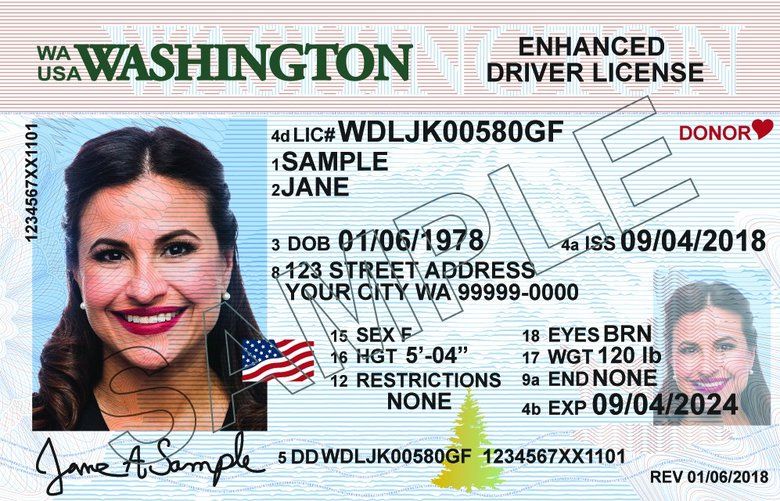
A digital ID is a convenience, not a replacement for your physical REAL ID or passport. If your phone battery dies, your screen cracks, or the checkpoint scanner is offline, you must have a valid physical document. Relying solely on a digital credential without a backup is a high-risk strategy. The Arizona Travel ID, for example, is available as both a driver license and an identification card, ensuring you have a tangible backup if needed.
Mismatched Personal Information
Your digital profile must exactly match the information on your physical ID. If you recently changed your name or address but haven't updated your digital wallet, the facial comparison may fail. This mismatch triggers additional identity verification steps. Keep your digital and physical profiles synchronized, especially after any life changes.
Assuming Universal Acceptance
While digital IDs are expanding, they are not yet accepted at every single airport or international border. Always check the specific requirements for your destination and departure airport. Do not assume that because you can use a Digital ID domestically, it will work for international flights or at smaller regional airports.
Digital travel id 2026: what to check next
Here are the practical answers to the most common questions about digital identities and REAL ID compliance for 2026.
No comments yet. Be the first to share your thoughts!