
How we picked the top 10 visa-free destinations for 2026
Finding the right spot to work remotely shouldn't feel like navigating a maze of customs forms. For 2026, we focused on countries that allow immediate entry for digital nomads without a prior visa application, prioritizing locations with clear entry rules and reliable internet infrastructure. Our selection balances geographic diversity with practical entry requirements, ensuring you can book a flight and start working within days.
We evaluated each destination based on three strict criteria: current visa-free access for major passport holders (US, EU, UK, AU), minimum 30-day stay allowances, and verified remote work viability. We excluded countries requiring complex e-visas or those with unstable connectivity, even if they are technically visa-free. This approach ensures the list reflects where you can actually work, not just where you can land.
10 2026 Visa-Free Travel guide: Top 10 Countries Opening Borders for Digital Nomads
Navigating entry requirements in 2026 demands more than checking a passport; it requires verifying specific digital nomad visa exemptions and local registration rules before booking. This guide breaks down the ten countries currently offering the most straightforward border access for remote workers, highlighting exact stay limits, income thresholds, and necessary documentation for each destination.
1. Estonia digital nomad visa requirements
Estonia offers a dedicated e-Residency and digital nomad visa, allowing remote workers to stay for up to a year. Applicants must prove a minimum monthly income of €3,504 and hold valid health insurance. The application is fully online via the Estonian e-Residency portal, making it one of the most streamlined processes for tech-savvy travelers seeking EU access.
2. Croatia remote work stay rules
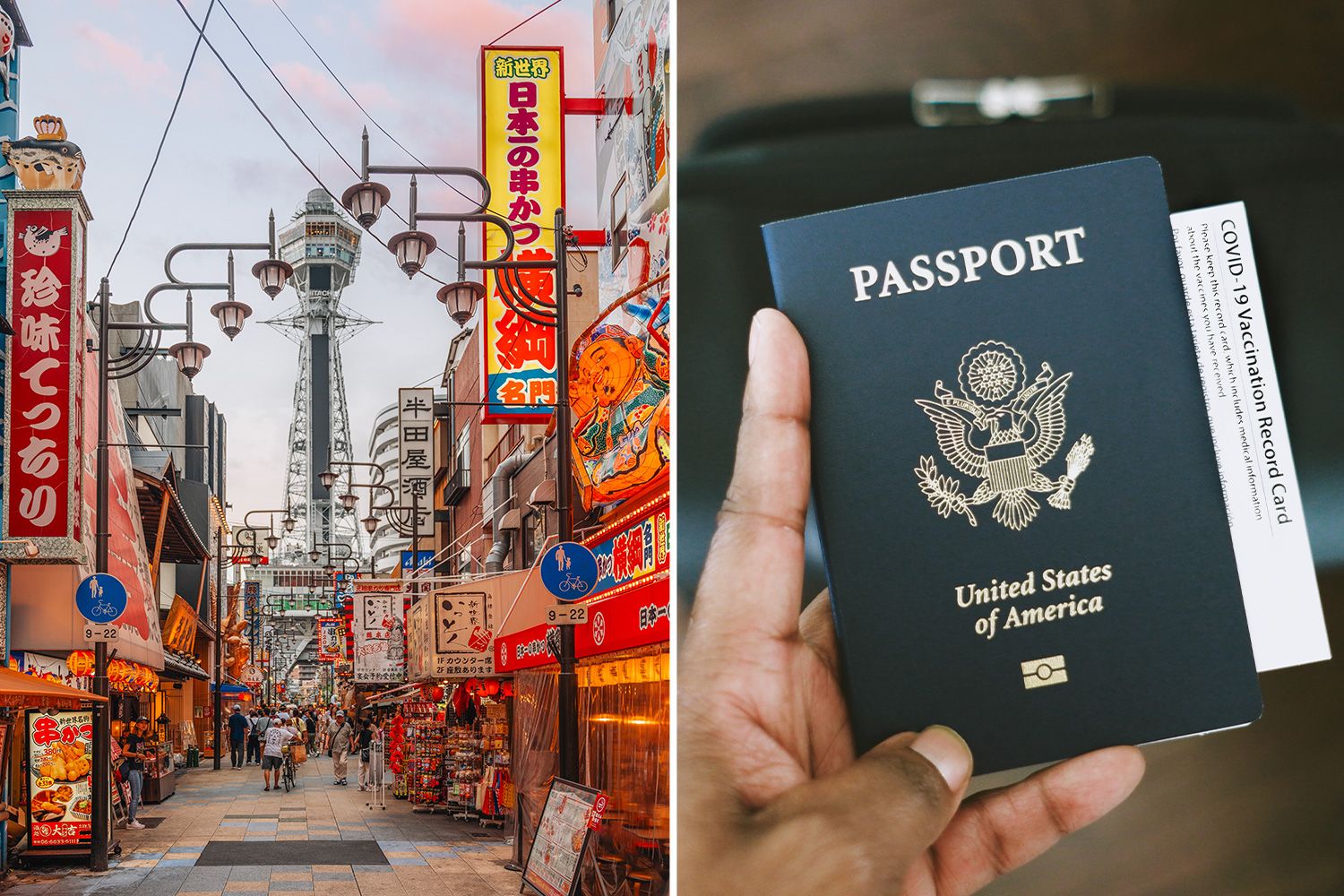
Croatia introduced a temporary residence permit for remote workers, valid for up to one year. You need proof of stable income exceeding €2,531.20 monthly, health insurance, and a clean criminal record. Unlike the Schengen 90/180 rule, this permit allows legal long-term stays without leaving the EU, perfect for those wanting to explore Dalmatian coast towns while working.
3. Georgia visa-free entry for Americans
U.S. citizens can enter Georgia visa-free for up to one year, making it a top digital nomad hub. No income proof or health insurance is strictly required for entry, though having travel insurance is wise. Tbilisi offers low living costs, reliable fiber internet, and a vibrant expat community, all without the bureaucratic hurdles of traditional visa applications.

4. Barbados welcome stamp details
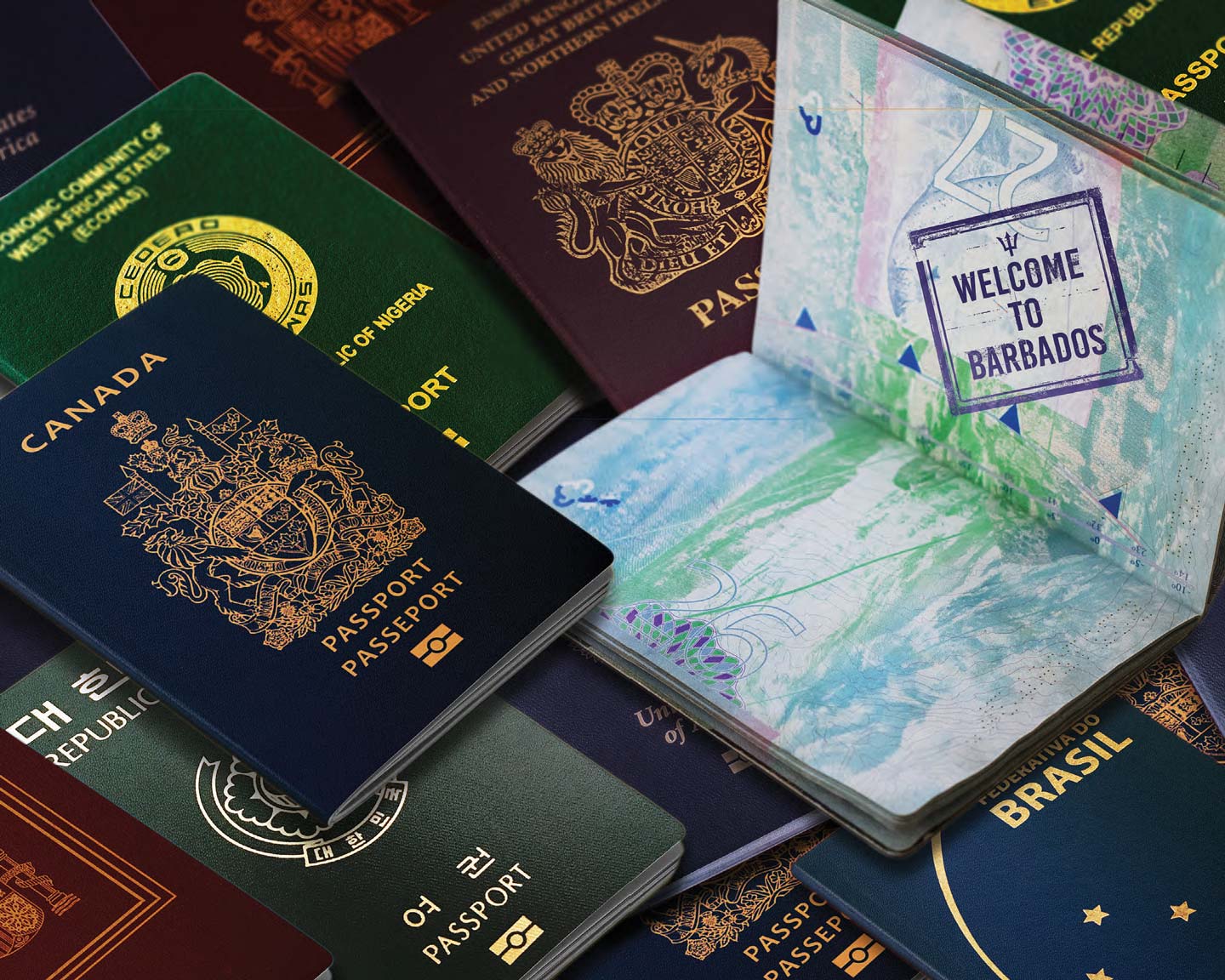
The Barbados Welcome Stamp allows remote workers to stay for up to one year. Applicants must show a minimum annual income of $50,000 USD and provide a valid passport. The $2,000 fee covers the entire household, offering Caribbean sunshine with reliable infrastructure. It’s ideal for those seeking a tropical lifestyle without sacrificing professional connectivity or legal residency status.
5. Costa Rica digital nomad visa process
Costa Rica’s Digital Nomad Visa requires proof of $3,000 monthly income or $60,000 annual income. Applicants must provide a clean criminal record from their home country and valid health insurance. The visa is valid for up to one year, renewable once. San José and Guanacaste offer excellent coworking spaces, making it easy to balance work with nature exploration.
6. Malaysia DE Rantau program overview
Malaysia’s DE Rantau Nomad Pass offers a 12-month residency for remote workers earning at least $24,000 annually. Unlike short-term tourist visas, this permit grants access to local banking and co-working spaces. Applicants must secure health insurance and pass a background check. The application process is fully digital, making it a streamlined option for those seeking long-term Southeast Asian bases without complex local employment ties.
7. Dubai virtual work permit guide
Dubai’s new virtual work permit allows remote professionals to reside in the UAE for up to a year. This initiative targets freelancers and digital entrepreneurs, requiring proof of income from foreign sources. While it doesn’t permit local employment, it provides legal residency status, access to public services, and a stable base for Middle Eastern travel. It bridges the gap between tourism and long-term relocation.
8. Aruba one-way ticket requirements
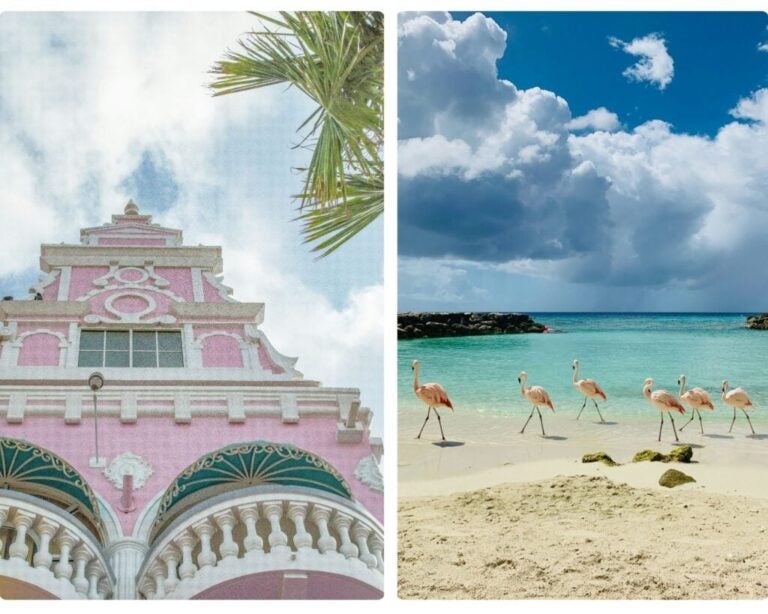
Aruba enforces strict entry rules for U.S. citizens, including a valid one-way or return ticket. Immigration officers often verify onward travel plans to ensure compliance with the 30-day visa-free stay. Travelers must also present proof of accommodation and sufficient funds. Failure to show a return ticket can result in denied boarding, so booking flexible flights is essential for smooth entry.
9. Bermuda work vacation visa info
Bermuda’s Work Vacation Visa targets young professionals aged 18-35, allowing them to work locally for up to six months. Unlike standard digital nomad visas, this permit permits on-island employment, blending tourism with cultural immersion. Applicants need a job offer from a Bermudian employer and proof of financial stability. It’s ideal for those seeking hands-on experience in a unique Atlantic island setting.

10. Portugal D8 visa application steps
Portugal’s D8 Digital Nomad Visa requires proof of monthly income exceeding three times the national minimum wage. Applicants must submit a clean criminal record, health insurance, and a rental contract. The process involves scheduling an appointment at a Portuguese consulate and attending an interview. Once approved, the visa grants residency, offering access to Europe’s Schengen zone and a high quality of life.
How to pick the right visa-free country
Choosing a destination isn’t just about the 90-day window; it’s about matching your work setup to local infrastructure. A country might offer zero visa friction, but if the internet is unreliable or the time zone makes client calls impossible, it won’t work for your business. Start by filtering your list of ten candidates against your hard requirements: internet speed, cost of living, and legal clarity.
Use a simple checklist to narrow the field. If a country lacks digital nomad visas or has ambiguous tax laws for remote workers, it’s a risk even if entry is free. Look for stable coworking spaces and reliable power grids. These practical factors often outweigh the novelty of a new passport stamp.
Test local connectivity before booking. Look for expat forums or digital nomad communities that share real-time speed tests. If a country requires frequent hotspot switching, it will drain your productivity and battery life faster than the time zone difference.
Visa-free entry does not mean tax-free status. Some countries claim you are a tax resident after just 183 days, while others have complex treaties. Check if your home country (like the US) still taxes your global income regardless of where you stay. Clarify this early to avoid double taxation.
Calculate your monthly burn rate in the local currency. A place might look cheap online, but tourist traps and imported goods can inflate costs. Aim for a destination where your remote salary stretches at least 30% further than in your home city to justify the move.
No comments yet. Be the first to share your thoughts!