
Start with the 2026 travel trends
The 2026 travel landscape is shifting from passive sightseeing to intentional action. Instead of guessing where to go, you can align your itinerary with three dominant forces: the rise of the "whycation," the revival of rail travel, and the growing preference for dry tourism. These aren't just buzzwords; they are practical frameworks that simplify decision-making by prioritizing purpose over prestige.
Why you're going matters more than where
The "whycation" moves beyond the standard vacation checklist. Travelers are increasingly choosing destinations that support a specific personal goal, whether it's reconnecting with heritage, learning a new skill, or simply disconnecting from digital noise. This shift means your first step should be defining the intention behind the trip. A trip to Japan might no longer be about hitting the major temples, but about participating in a traditional craft workshop or tracing family roots. When the "why" is clear, the "where" becomes obvious, reducing decision fatigue and increasing satisfaction.
The rail revival
Rail travel is experiencing a significant resurgence, driven by a desire for slower, more scenic journeys. Trains offer a unique vantage point of the landscape, turning the transit time itself into part of the experience. This trend is particularly strong in Europe and North America, where overnight sleeper trains and scenic routes are becoming popular alternatives to short-haul flights. Choosing rail reduces your carbon footprint and often connects you to smaller towns that airports bypass. When planning, look for routes that prioritize comfort and scenery over speed.
Dry tourism and mindful consumption
Dry tourism refers to travel experiences that consciously exclude alcohol, focusing instead on wellness, culture, and nature. This trend appeals to travelers seeking clarity and deeper engagement with their surroundings. It doesn't mean the absence of fun; rather, it emphasizes activities like hiking, cooking classes, or meditation retreats. This approach can make trips more affordable and accessible, as alcohol often represents a significant portion of travel budgets. By choosing dry tourism, you open up new avenues for connection and discovery.
These trends intersect frequently. A "whycation" might involve a dry tour along a scenic rail route. By starting with these frameworks, you can filter the noise of typical travel advice and build an itinerary that feels authentic to your current life stage. The goal is not to follow every trend, but to select the ones that resonate with your personal definition of a meaningful trip.
Navigate digital border requirements
Border control is shifting from paper stamps to digital verification. Governments are increasingly adopting AI-driven visa waivers and digital travel authorizations to speed up processing. This means your entry requirements might change based on your nationality, purpose of visit, and how recently you applied.
Relying on outdated advice can lead to denied boarding. Before booking your 2026 trip, verify the current digital entry rules for your destination. Follow this four-step process to ensure your documents are valid and linked correctly.

Every country uses a different system for digital entry. Some use automated e-gates, while others require a pre-approved electronic travel authorization (ETA). Check the official government immigration website for your destination, not a third-party travel blog, to find the correct portal URL.

Many countries have replaced traditional visas with digital waivers for short stays. These systems often use AI to assess risk in real-time. Verify if you qualify for these faster lanes. For example, the US ESTA and Europe’s upcoming ETIAS are fully digital processes that require online applications before travel.
Digital border passes are tied to your passport’s machine-readable zone. When you apply, ensure the number matches exactly. A single digit error can cause the system to reject your authorization at the airport. Double-check the expiration date of both your passport and the digital waiver.
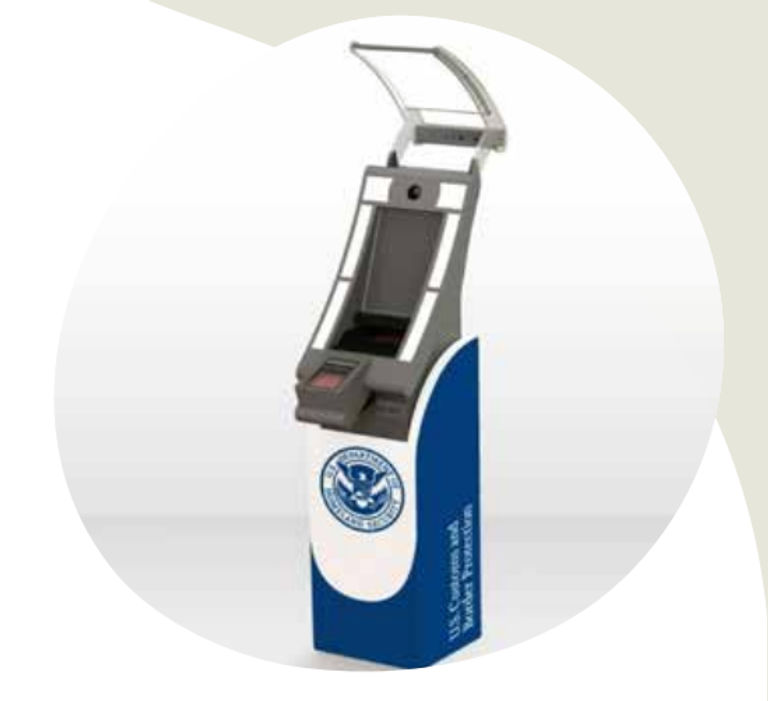
Some digital border systems require facial recognition or fingerprint scans at the airport. Ensure your passport photo is recent and meets current standards. If you wear glasses or have significant changes to your appearance, check if a new photo is needed to avoid delays during biometric verification.
Choose your travel style for 2026
Selecting a travel style for 2026 means picking a specific lens through which you view your next journey. The industry is shifting away from generic sightseeing toward intentional experiences that align with personal goals. Whether you seek deep rest, cultural reconnection, or mindful consumption, your itinerary should reflect what you want to gain, not just what you want to see.
To help you decide, we compare three dominant 2026 trends: Whycations, Hushpitality, and Dry Tourism. Each offers a distinct approach to pacing, budgeting, and engagement.
| Trend | Core Focus | Pace | Best For |
|---|---|---|---|
| Whycations | Purpose-driven travel | Moderate | Personal growth or learning |
| Hushpitality | Quiet luxury and rest | Slow | Burnout recovery |
| Dry Tourism | Sober, mindful exploration | Flexible | Health and budget control |
Whycations are trips built around a specific purpose, such as learning a skill, volunteering, or reconnecting with heritage. Instead of passive observation, you engage directly with the destination. This style suits travelers who want their time off to result in tangible growth or new skills.
Hushpitality combines "hush" and "hospitality." It prioritizes silence, solitude, and high-end service over social buzz. Think remote cabins, spa-focused resorts, and digital detox zones. This is the ideal choice if your main goal is to reset your nervous system and escape the noise of modern life.
Dry Tourism involves traveling without alcohol. It is gaining traction as travelers seek clearer minds and better health outcomes. This style often leads to more active days, such as hiking or cooking classes, and can significantly reduce trip costs. It appeals to those who want to stay fully present and in control.
Match your current life needs to these styles. If you are exhausted, choose hushpitality. If you feel stagnant, choose a whycation. If you want to save money and stay healthy, choose dry tourism. Your 2026 trip should feel like a solution, not just an escape.
Avoid common 2026 booking mistakes
Planning a trip in 2026 requires balancing new tech tools with old-school verification. Two specific pitfalls—over-relying on AI for visa rules and ignoring the shifting off-peak landscape—can derail your itinerary before you even pack. Follow this sequence to secure your bookings correctly.
Verify visa rules manually
AI travel assistants are excellent for finding flights and hotels, but they frequently hallucinate entry requirements. Visa policies change rapidly, and an AI model trained on older data may give you incorrect advice about passport validity, e-visa applications, or transit requirements.
Never rely solely on an AI summary for border entry. Always cross-check the final itinerary against the official government website of your destination. For example, if you are traveling to a country with new digital visa requirements, visit the official immigration portal directly. This step takes five minutes but prevents denied boarding or entry fines.
Book during the true off-peak
The 2026 travel landscape is defined by a shift in what "off-peak" means. Traditional shoulder seasons are becoming crowded as travelers chase the "off-peak" trend, driving up prices in late spring and early autumn. To get the best availability and rates, look beyond the standard calendar.
Consider traveling in the deep winter (January-February) for warm destinations or the deep summer (July-August) for northern climates where demand drops. Use tools to compare prices across a wider date range. If you are flexible, booking 4-6 months out for these true off-peak windows often yields better rates than last-minute summer bookings.
Use a checklist for final verification
Before confirming any payment, run through this quick checklist to ensure your 2026 trip is secure:
-
Visa/entry requirements verified on official government sites
-
Flight times checked for recent schedule changes
-
Hotel cancellation policy reviewed for flexibility
-
Travel insurance coverage confirmed for 2026 specific risks
-
Local currency exchange rates noted for budgeting
This simple process ensures you are not caught off guard by the complexities of modern travel planning.
Check your 2026 travel readiness
Border crossings are becoming stricter and more digital. Whether you are planning a luxury train hop or a micro-dosed retirement trip, missing a document requirement can derail your itinerary. Treat this checklist as your final proof before departure.
Digital and Physical Documents
- Passport validity: Ensure your passport expires at least six months after your return date. Many countries now enforce this strictly for 2026 entries.
- Visa and eTA approvals: Check if your destination requires an Electronic Travel Authorization (eTA) or a new digital visa. Apply weeks in advance.
- Travel insurance: Verify that your policy covers medical emergencies and trip cancellations. Keep a digital copy in your cloud storage and a printed copy in your bag.
- Digital boarding passes: Download airline and train boarding passes to your phone. Ensure you have offline access in case you lose signal at the airport.
Packing for 2026 Trends
- Reusable essentials: Pack a collapsible water bottle and tote bag. Many destinations are implementing "dry tourism" policies that restrict single-use plastics.
- Power adapters: Bring a universal adapter with USB-C ports. Modern devices require different charging standards across regions.
- Comfort footwear: If you are doing ancestry travel or museum hopping, pack broken-in walking shoes. You will likely cover more ground than expected.
Final Verification
- Flight details: Confirm your flight times and terminal gates 24 hours before departure. Schedules change frequently.
- Accommodation confirmations: Save your hotel or rental confirmation numbers. Some border agents may ask for proof of lodging.
- Emergency contacts: Write down the local emergency number and the address of your country’s embassy or consulate.
No comments yet. Be the first to share your thoughts!