
Start with 2026 digital nomad visas
The landscape for remote workers shifted significantly in 2026. Over 40 countries now offer dedicated remote work visas, creating a competitive market for digital nomads seeking favorable tax treatment and streamlined residency (source: Deel). This expansion means you can no longer rely on general tourism advice; you need specific data on which jurisdictions actually support long-term remote work.
We selected the top 10 countries for 2026 based on three concrete criteria. First, we prioritized official tax exemptions, such as non-habitual resident programs or specific remote work income deductions. Second, we evaluated processing speed and digital application availability, as friction in visa approval directly impacts your ability to relocate. Third, we assessed the practical reality of living there, including internet reliability and cost of living relative to Western salaries.
This list focuses on countries that balance legal stability with lifestyle quality. We excluded destinations that offer visas but lack the infrastructure for long-term remote work, such as inconsistent internet or restrictive banking laws for foreigners. The following sections detail each country’s specific visa requirements, tax implications, and practical tradeoffs.
10 2026 Digital Nomad Visa Boom: Top 10 Countries with New Tax Exemptions and Fast-Track Residency
The 2026 digital nomad visa landscape has shifted from simple remote-work permits to strategic residency tools offering aggressive tax breaks and streamlined processing. We evaluated ten jurisdictions based on verified 2026 policy updates, focusing on concrete benefits like specific income thresholds, tax exemption durations, and actual processing timelines rather than theoretical advantages.
1. Portugal D8 Visa Tax Exemption Details
Portugal’s Non-Habitual Resident (NHR) regime offers a 20% flat tax rate for qualifying high-value activities, though it transitions to a new version in 2024. Remote workers must prove foreign-source income and avoid Portuguese tax residency traps. The D8 visa facilitates this status, allowing freelancers to benefit from reduced rates on specific professional services while maintaining legal residency.

2. Spain Digital Nomad Visa Income Requirements
Spain’s Digital Nomad Visa demands proof of monthly income exceeding 200% of the national minimum wage, currently around €2,600. Applicants must show consistent remote work contracts for at least three months prior. This visa grants tax benefits under the expat regime, offering a flat 24% rate on Spanish-source income up to €600,000 for six years.

3. Estonia e-Residency Tax Residency Rules
Estonia’s e-Residency provides a digital identity for business management but does not grant tax residency or physical residence rights. To benefit from corporate tax exemptions on retained earnings, you must establish a real economic presence. Remote workers should clarify that e-Residency alone does not exempt personal income tax from their home country of residence.

4. Croatia Digital Nomad Residence Permit Process
Croatia offers a temporary residence permit for remote workers staying up to one year, requiring proof of monthly income around €2,300. The process involves applying at local police stations or consulates with employment contracts and health insurance. This permit allows legal stay without granting full tax residency, making it ideal for short-term digital nomads seeking EU access.

5. Germany Freelance Visa Tax Benefits
Germany’s freelance visa allows self-employed individuals to reside and work remotely, subject to strict proof of viable business plans. Tax benefits include deductions for home office expenses and business-related travel. Unlike tax havens, Germany taxes worldwide income for residents, so freelancers must navigate complex double-taxation treaties to avoid being taxed twice on the same earnings.

6. Greece Digital Nomad Visa Tax Holiday
Greece offers a 7-year flat 7% income tax rate for new tax residents under its Digital Nomad Visa program, a significant incentive for remote workers. Applicants must prove a minimum monthly income and provide proof of accommodation. This fiscal benefit applies to worldwide income earned during the residency period, making it a top choice for long-term relocation.

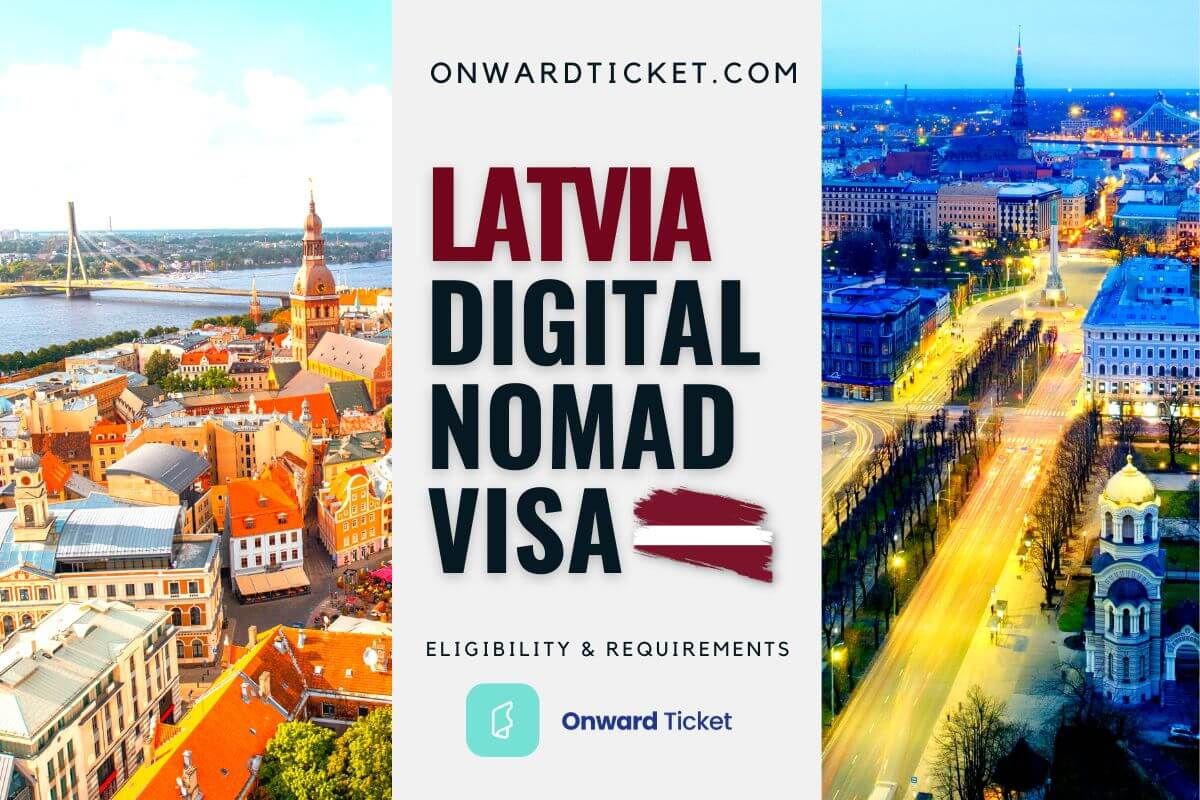
7. Latvia Digital Nomad Visa Application Steps
Latvia’s short-stay digital nomad visa allows stays up to one year without requiring local tax residency. The application process is streamlined through the Latvian Ministry of Foreign Affairs, requiring proof of remote employment and sufficient funds. Applicants must submit biometric data and pay a processing fee, with decisions typically issued within 30 days.
8. Malta Nomad Residence Permit Tax Status
Malta’s Nomad Residence Permit grants a 12-month stay, renewable, with a special tax regime for eligible remote workers. Participants may benefit from a flat 15% tax rate on foreign-sourced income or a repatriation basis taxation model. The permit requires proof of remote work for non-Maltese entities and a minimum monthly income threshold to qualify.

9. Cyprus Digital Nomad Visa Income Thresholds
Cyprus introduced a digital nomad visa requiring applicants to demonstrate a minimum monthly income of €3,500, plus additional amounts for dependents. This financial threshold ensures self-sufficiency without accessing the local labor market. The visa is valid for one year and allows multiple entries, providing stability for remote professionals seeking an EU base.

10. Iceland Digital Nomad Visa Duration Limits
Iceland’s new digital nomad visa permits stays of up to six months, with no possibility of extension or conversion to other residence permits. This short-term option suits those testing the Nordic market or seeking a temporary European base. Applicants must show sufficient funds and health insurance, but the strict duration limit prevents long-term settlement.

Pick the right fit
Choosing a digital nomad visa is less about picking the "best" country and more about finding the right match for your specific situation. With over 40 countries offering remote work visas in 2026, the decision comes down to three concrete factors: tax status, cost of living, and your primary work needs.
First, clarify your tax residency. Some visas, like Croatia’s, offer favorable tax exemptions for remote workers, while others require you to maintain tax ties to your home country. If minimizing taxes is your priority, look for countries with explicit digital nomad tax holidays or non-dom statuses. If you prefer stability and access to Western healthcare, a visa that leads to permanent residency might be worth the higher tax burden.
Second, calculate your actual monthly burn rate. A low-cost country like Bali or Lisbon can become expensive if you factor in co-working memberships, reliable high-speed internet upgrades, and short-term rentals. Use a budgeting tool to project your expenses in the target city, not just the average tourist cost. Your income needs to cover not just survival, but the comfort that allows you to work effectively.
Finally, assess your connectivity and lifestyle. Do you need a time zone that overlaps with your clients? Do you require a community of other remote workers, or do you prefer solitude? These intangible factors often determine whether you’ll thrive or burn out. Read recent expat forums and nomad blogs to get a sense of the current reality in your top choices.

Check if the country offers a tax exemption for foreign-sourced income. Look for official government immigration sites or reputable tax advisory firms to confirm your residency status. This is the most critical financial decision you will make.

Use cost-of-living calculators to compare your target city against your current home base. Factor in rent, utilities, internet, and food. A 20% lower cost of living might not be worth it if the visa fees and flight costs are significantly higher.

Before committing to a year-long visa, visit your top choices for a week. Stay in a neighborhood, work from a local cafe, and test the internet speed. This small investment can save you from a costly relocation mistake.
| Priority | Best Fit | Example Countries |
|---|---|---|
| Tax Savings | Visas with tax holidays or non-dom status | Croatia, Portugal, Spain |
| Low Cost of Living | Countries with high purchasing power parity | Thailand, Indonesia, Mexico |
| Career Growth | Countries with strong tech hubs and networking | Estonia, Germany, UAE |


As an Amazon Associate, we may earn from qualifying purchases.
No comments yet. Be the first to share your thoughts!