Budget Fit for the 2026 Digital Nomad Visa
Choosing a destination is as much about monthly burn rate as it is about tax status. While some countries offer tax exemptions, the cost of living can vary wildly depending on the city. Croatia remains a strong contender for 2026, balancing unique culture with manageable coastal expenses, though major hubs like Zagreb are seeing price increases. With over 40 countries now offering remote work visas, the key is finding the sweet spot where your income stretches furthest without sacrificing connectivity or comfort.
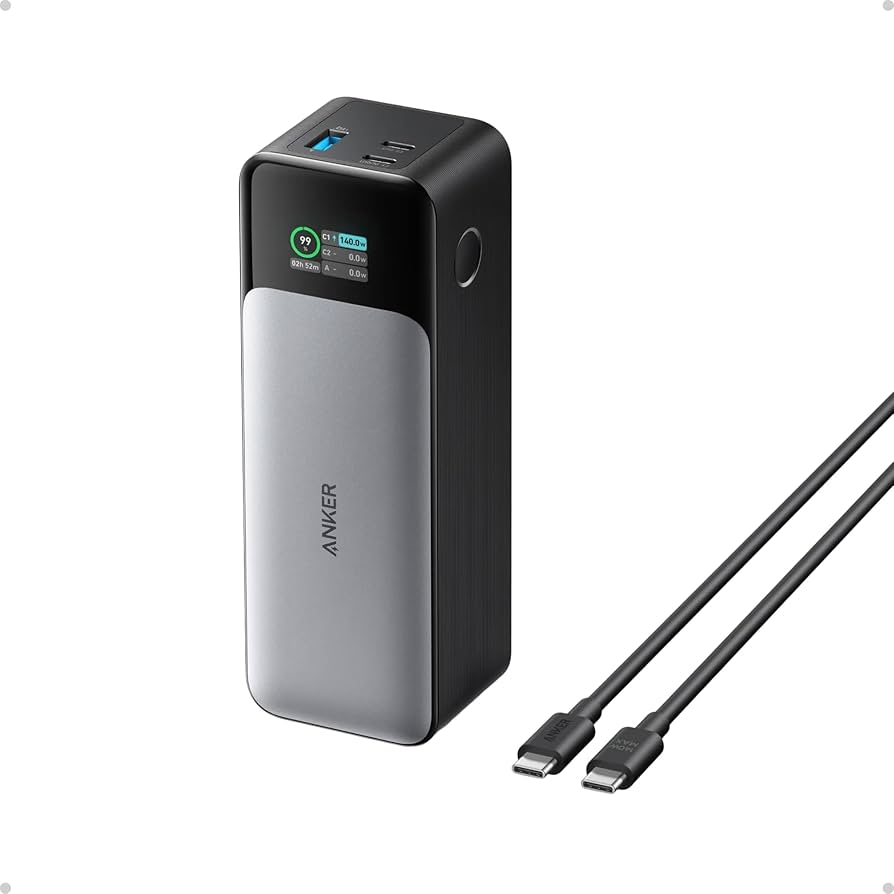
To stay productive and comfortable, your gear needs to match the environment. A reliable setup isn't just about speed; it's about reliability when you're working from a café in Lisbon or a co-working space in Bali. Below are essential tools that handle the heavy lifting of remote work, from high-speed connectivity to ergonomic comfort.


As an Amazon Associate, we may earn from qualifying purchases.
When evaluating these tools, prioritize durability and versatility. The best gear for digital nomads adapts to changing environments, ensuring that your workday isn't interrupted by hardware failures. Look for items that offer multiple use cases, such as a power bank that can charge both your laptop and your phone, or a router that can boost weak hotel Wi-Fi signals. These small investments in quality equipment pay off in reduced stress and increased productivity.
Shortlist real options
Finding the right digital nomad visa in 2026 requires comparing specific entry requirements, income thresholds, and tax implications. With over 40 countries now offering remote work visas, the landscape has shifted from niche opportunities to structured legal pathways. The following comparison highlights four of the strongest current options for remote workers seeking stability and infrastructure.
| Country | Min. Income | Tax Status | Validity |
|---|---|---|---|
| Croatia | €3,000/mo | 0% on foreign income | 1 year |
| Spain | €2,400/mo | Beckham Law option | 3 years |
| Estonia | €4,500/mo | 0% on foreign income | 1 year |
| Portugal | €3,040/mo | NHR regime ending | 1 year |
Croatia remains a top pick for 2026 due to its combination of official visa status and unbeatable coastlines. The requirement is straightforward: demonstrate a steady monthly income of at least €3,000. Crucially, the visa grants a 0% tax rate on foreign-sourced income, making it highly attractive for those earning in stronger currencies. The visa is valid for one year and can be renewed.
Spain offers a longer validity period of three years, appealing to those seeking extended stability. The minimum income threshold is approximately €2,400 per month. While Spain does not offer a blanket tax holiday, remote workers can apply for the Beckham Law, which caps personal income tax at 24% for the first four years, effectively reducing the burden compared to standard progressive rates.
Estonia, the digital pioneer, maintains a rigorous standard with a minimum income requirement of €4,500 per month. This higher bar filters for higher earners but offers a clean 0% tax rate on foreign income. The visa is valid for one year, aligning with the country’s efficient, digital-first administrative approach to residency.
Portugal has long been a favorite, but the landscape is shifting. The popular Non-Habitual Resident (NHR) regime is ending for new applicants in 2024, replaced by a new incentive system for scientific research and innovation. The minimum income remains around €3,040 per month. While the tax benefits are less generous than before, Portugal’s infrastructure and community remain strong draws for remote workers.
Inspect the expensive parts
A digital nomad visa is a tool, not a guarantee of success. The most common failure points are not the application fees, but the hidden costs of infrastructure and compliance. Before you commit to a host country, audit the following areas. These are the expensive failure points that can drain your budget or your legal standing.
Most visas require proof of remote work capability, but they do not guarantee reliable internet. Check local ISP contracts and coworking space rates. A slow connection forces you to buy expensive hardware or pay for premium coworking memberships, which can add $500 to $1,000 monthly to your burn rate. Verify average download speeds in your target neighborhood, not just the city average.

"Tax-free" usually means no local income tax, not no tax at all. If you remain a tax resident in your home country, you likely still owe federal or state taxes. Investigate whether the host country has a double taxation treaty with your home jurisdiction. Without one, you may face double taxation or complex filing requirements that require a specialized accountant, adding $2,000+ in annual professional fees.
Many digital nomad visas require private health insurance, but local public systems may be inaccessible to foreigners. Check if your policy covers evacuation and local treatment. If you must buy local insurance, premiums for expats can range from $100 to $300 monthly. Factor this into your monthly budget immediately, as gaps in coverage can lead to six-figure medical bills.
Opening a local bank account is often difficult for visa holders. If you cannot hold local currency, you will pay foreign transaction fees on every expense. Look for countries with established fintech integration or easy account opening for visa holders. High transaction fees on credit cards and ATMs can silently eat 3-5% of your income over a year.


As an Amazon Associate, we may earn from qualifying purchases.
The goal is to minimize variable costs. By inspecting these infrastructure points early, you turn a potentially chaotic experience into a predictable, manageable workflow.
Plan for ownership costs
A low purchase price rarely tells the full story of owning a property abroad. When you buy a home in a country with a digital nomad visa, you are stepping into a system of ongoing obligations that can quickly erode your savings if you are not prepared. The "cheap" label often applies only to the initial transaction, while the real costs accumulate in maintenance, taxes, and administrative fees.
Maintenance surprises are common in older European and Mediterranean properties. A cracked tile or a leaking pipe might seem minor, but labor costs and material availability can vary wildly. In countries with high tourism demand, finding reliable tradespeople can be difficult and expensive. You must budget for a contingency fund, typically 1-3% of the property value annually, to handle unexpected repairs without dipping into your emergency savings.
Property taxes and community fees also differ significantly from what you might be used to. Some countries charge high annual municipal taxes based on property value, while others have steep homeowners association (HOA) fees for shared amenities like pools or security. These recurring costs are fixed, meaning they do not drop even if your income fluctuates. Failing to account for these can turn a tax-free salary into a net-negative lifestyle.
When a cheap buy stops being cheap is often a question of liquidity and exit strategy. Selling property in foreign jurisdictions can take months or even years, especially if local laws favor residents or if the market is slow. If you need to leave the country quickly, you may be forced to sell at a loss or rent out the property at a discount to cover holding costs. Always consider the exit fee before the entry fee.


As an Amazon Associate, we may earn from qualifying purchases.
Digital nomad visa 2026: what to check next
Choosing a destination is only half the equation. The fine print on visa requirements, tax obligations, and banking access often determines whether your remote work setup survives long-term. Here are the practical answers to the most common hurdles.
Do I pay taxes in my home country or host country?
Tax residency depends on how many days you spend in each location and specific bilateral treaties. Many digital nomad visas, like those in Portugal or Croatia, offer favorable tax regimes or temporary exemptions, but you must prove you are not a tax resident of your home country. Always consult a cross-border tax specialist before committing to a long-term stay.
What is the minimum income requirement for a digital nomad visa?
Most countries require proof of stable remote income, typically ranging from €2,850 to €4,000 per month. Some destinations like Colombia have lower thresholds (around $750/month), while others like Thailand or Germany may require significantly higher proof of funds. These requirements ensure you can support yourself without entering the local labor market.
Can I open a local bank account with a digital nomad visa?
This varies widely. Some countries treat digital nomad visas as temporary residence, allowing local bank account access, while others classify you as a tourist for banking purposes. Many nomads rely on multi-currency accounts like Wise or Revolut for seamless transactions. Always verify local banking regulations before moving your primary financial infrastructure.
How long can I stay on a digital nomad visa before needing to renew?
Most digital nomad visas are valid for 12 to 24 months, with options to renew or convert to long-term residency. Some countries impose a "90-day rule" where you must leave the Schengen area for 90 days before reapplying. Plan your travel calendar around these renewal windows to avoid illegal overstays.
No comments yet. Be the first to share your thoughts!