
Get travel compliance 2026 right
Start The Traveler's to Seamless Cross-Border Compliance with the constraint that matters most in real life: space, timing, budget, skill level, maintenance, or availability. That first constraint should shape the rest of the plan instead of appearing as an afterthought. Keep the first pass simple enough to verify. Compare the main options against the same criteria, remove choices that only work in ideal conditions, and save optional upgrades for later.
The simplest way to use this section is to write down the real constraint first, compare each option against it, and choose the path that still works outside ideal conditions.
Work through the steps
Before you book your next trip, verify that your documents meet the 2026 cross-border standards. Compliance is not just about having a passport; it is about ensuring your data, finances, and entry status are aligned with new regulations. Follow this ordered sequence to avoid denied boarding or customs delays.
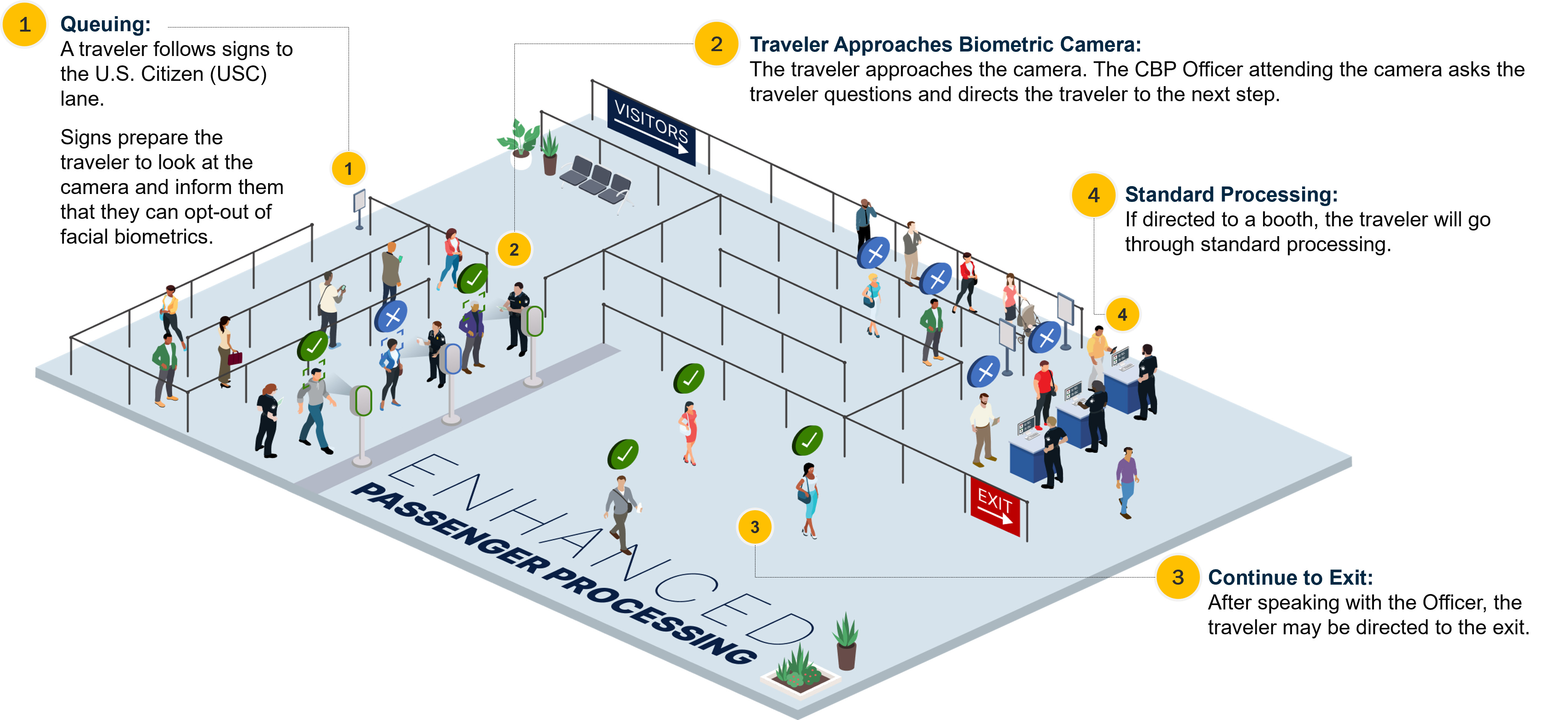
Start by checking your I-94 admission record. U.S. Customs and Border Protection (CBP) provides an online tool where you can confirm your legal status and authorized length of stay. If you are traveling to or from the U.S., this is the first line of defense against compliance issues. An outdated or incorrect I-94 can lead to immediate questions at border control, even if your passport is valid.

New financial regulations in 2026 require stricter reporting for cross-border transactions. Ensure your credit cards and digital wallets are updated with your current billing address and identity verification. If you are using alternative payment methods like stablecoins or crypto-adjacent services, confirm they comply with the destination country’s anti-money laundering (AML) thresholds. Unexpected transaction blocks are the most common friction point for travelers in 2026.

Many countries now enforce strict data localization or consent laws for digital services. Before traveling, review the privacy settings on your primary apps and devices. Disable unnecessary location tracking and ensure you have recorded consent for data transfer if you are using health or biometric services abroad. This step prevents your personal data from being flagged by automated border systems that scan for non-compliant digital footprints.

Check for any new travel bans or entry restrictions for your destination. Some countries have added new visa requirements or digital pre-registration forms for 2026. Verify these requirements at least 30 days before departure. Ignoring these updates can result in denied entry, even if you have a valid visa from previous years.
-
I-94 status is current and accurate
-
Payment methods are verified for cross-border use
-
Data privacy settings are reviewed and adjusted
-
Destination entry requirements are confirmed
Fix common mistakes in cross-border compliance
Most travelers fail not because they lack intent, but because they overlook specific procedural details. These errors often trigger delays, fines, or denied entry. Below are the most frequent missteps and how to avoid them.
Ignoring entry requirement updates
Many visitors assume that because they were admitted in 2024, nothing has changed. This is dangerous. Countries like Canada, the UK, and Australia have introduced new digital entry systems (such as the Electronic Travel Authorization) that did not exist previously. Even if you hold a valid visa, failing to register for these new digital pre-clearance systems can result in being turned away at the border.
Overlooking data privacy and customs declarations
Compliance isn't just about visas. Customs regulations regarding data privacy and physical goods are tightening globally. In 2026, many jurisdictions have stricter rules on what electronic devices can be inspected and what physical goods must be declared. Failing to declare items or refusing a device search when legally required can lead to confiscation and long-term bans. Always check the latest customs guidelines for your destination.
Relying on outdated I-94 status
For U.S. entry, your I-94 record is your legal proof of admission status. A common mistake is assuming your paper I-94 or old digital record is still valid. CBP has moved to an online-only system for many travelers. Before traveling, you must check your admission status on the official CBP I-94 website. If your status is incorrect or missing, contact CBP before you fly. Do not assume it will be fixed upon arrival.
Assuming visa-free means no restrictions
Visa-free travel does not mean unrestricted travel. Many visa-waiver programs have strict limits on the duration of stay (often 90 days) and prohibit certain activities, such as working or studying. Violating these terms, even accidentally, can void your visa-free status and complicate future travel. Always verify the specific conditions of your visa-waiver eligibility.
Neglecting financial declaration rules
Many countries require travelers to declare large amounts of cash or monetary instruments. Failing to declare these amounts can lead to significant fines and seizure of funds. Check the specific threshold for your destination country (often $10,000 USD or equivalent) and declare it if you exceed it. This is a simple step that prevents major legal issues.
Travel compliance 2026: what to check next
Navigating cross-border regulations requires precision. The following answers address the most common compliance concerns for 2026, focusing on entry restrictions and documentation updates.
These updates reflect a broader shift toward digital compliance and enhanced security protocols. Staying informed through official channels like CBP and USCIS is essential to avoid entry denials or legal complications.
No comments yet. Be the first to share your thoughts!