
Digital nomad visa 2026 budget
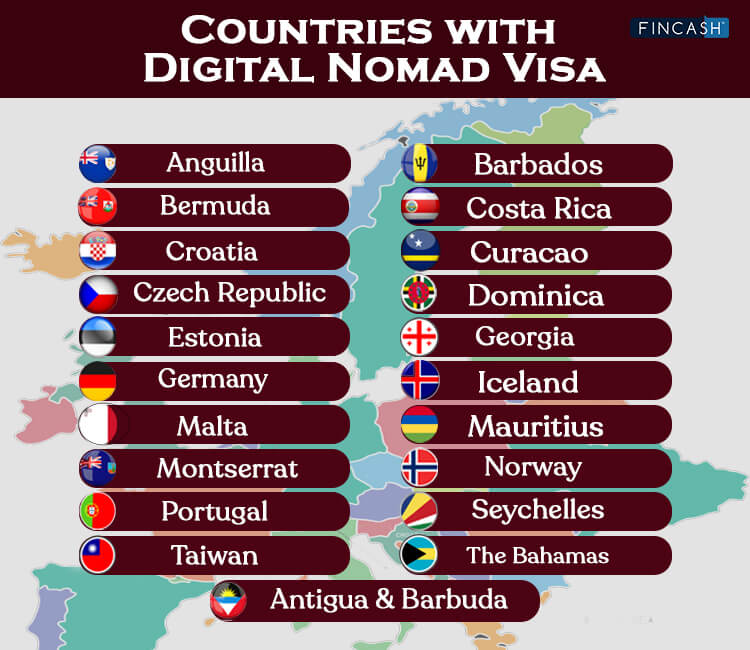
Choosing a destination for a digital nomad visa in 2026 is a balancing act between income requirements and daily cost of living. The "best" country is rarely the one with the lowest visa fee, but rather the one where your remote salary stretches furthest without compromising your quality of life. This section breaks down the realistic financial tradeoffs you will face.
The Income vs. Cost of Living Gap
Many countries with attractive lifestyles have high minimum income requirements to prevent visa holders from draining local resources. For example, Spain’s 2026 requirement stands at roughly €2,600 per month (around $2,800 USD), which is nearly triple the cost of rent in many Eastern European capitals. In contrast, countries like Georgia or Argentina may have no formal visa or much lower thresholds, allowing a $1,500 monthly budget to cover premium accommodations and dining. Always calculate your required income against the local average rent for a one-bedroom apartment in a safe, well-connected neighborhood.
Essential Gear for the Road
Your visa is only as good as your ability to work from it. Reliable internet and power are non-negotiable. Instead of packing heavy, invest in versatile tools that fit into a carry-on. The following items are essential for maintaining productivity in cafes, co-working spaces, and Airbnbs across different time zones and voltage standards.
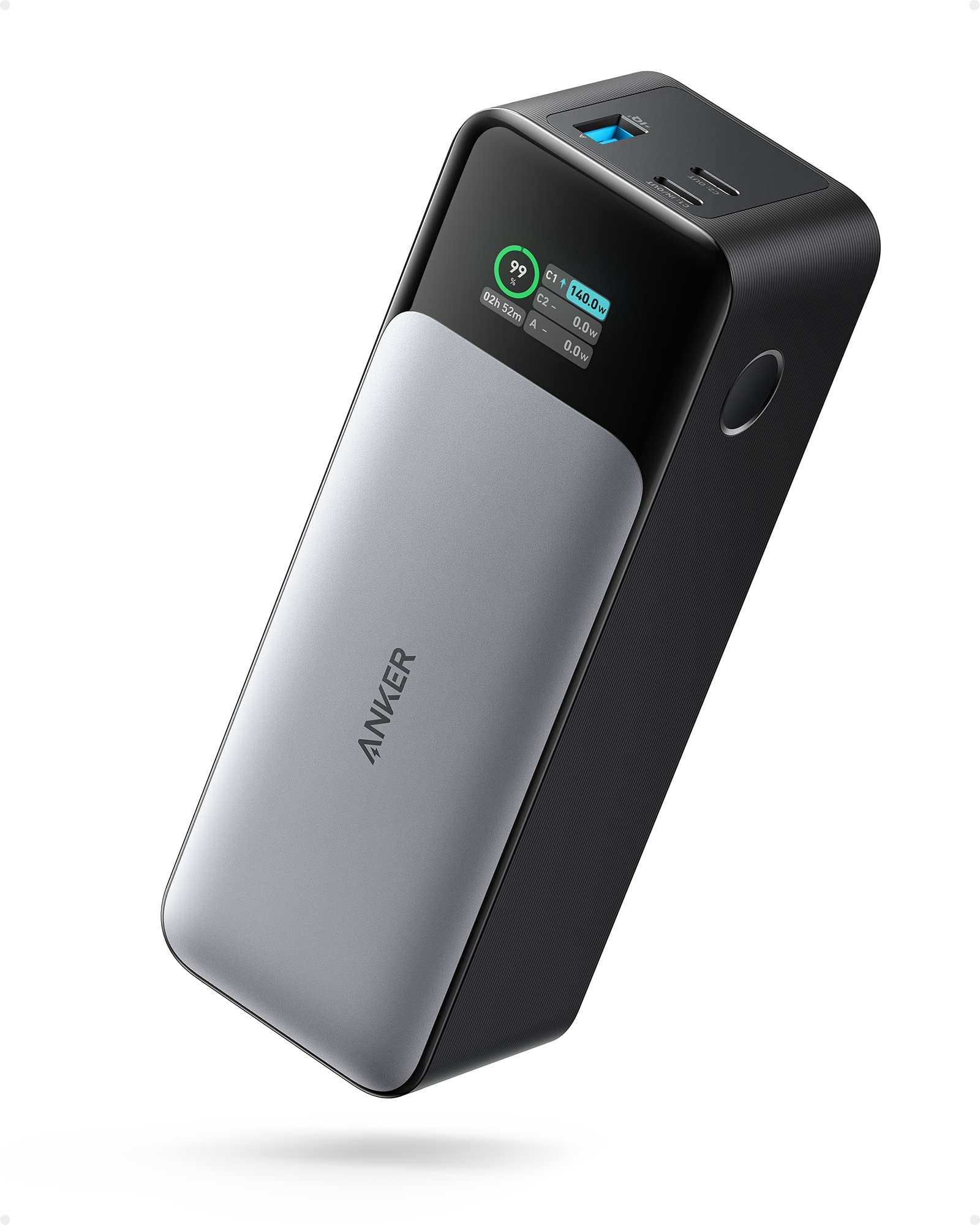
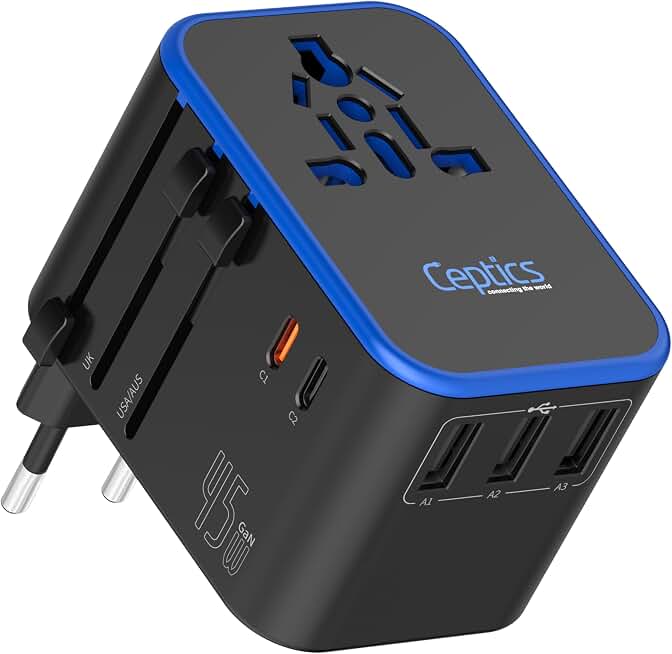


As an Amazon Associate, we may earn from qualifying purchases.
Hidden Costs to Watch
Beyond rent and gear, digital nomads often underestimate administrative and health costs. Many countries require proof of comprehensive health insurance that covers repatriation, which can cost $100–$300 per month. Additionally, visa application fees range from $50 in some Latin American countries to over $500 in popular European hubs like Portugal or Croatia. Always budget an extra 15% of your monthly income for these fixed costs to avoid unexpected financial strain.
Shortlist real options
Digital Nomad Visas works best as a clear sequence: define the constraint, compare the realistic options, test the tradeoff, and choose the path with the fewest hidden costs. That order keeps the advice usable instead of decorative. After each step, pause long enough to check whether the recommendation still fits the reader's actual situation. If it depends on perfect timing, unusual access, or a best-case budget, include a simpler fallback.
| Factor | What to check | Why it matters |
|---|---|---|
| Fit | Match the option to the primary use case. | A good deal still fails if it does not fit the job. |
| Condition | Verify age, wear, and service history. | Hidden condition issues erase upfront savings. |
| Cost | Compare purchase price with likely upkeep. | The cheapest option is not always the lowest-cost option. |
Inspect the expensive parts
Digital Nomad Visas works best as a clear sequence: define the constraint, compare the realistic options, test the tradeoff, and choose the path with the fewest hidden costs. That order keeps the advice usable instead of decorative. After each step, pause long enough to check whether the recommendation still fits the reader's actual situation. If it depends on perfect timing, unusual access, or a best-case budget, include a simpler fallback.
Ownership costs: Plan for hidden expenses
A digital nomad visa is a legal status, not a financial plan. The monthly rent or coworking fee is only the visible part of your budget. When you factor in the full cost of ownership—insurance, equipment, and local compliance—a destination that looks cheap on paper often becomes expensive once you land.
Insurance and compliance
Healthcare systems vary wildly by country. In many European nations, public healthcare is available to residents, but visa holders often need private coverage to satisfy application requirements. In Southeast Asia or Latin America, out-of-pocket costs can be high without comprehensive insurance. Budget $50–$150 monthly for a robust plan that covers evacuation and pre-existing conditions. This isn't optional; it's the cost of doing business remotely.
Equipment and connectivity
Your laptop is your office. A cheap buy stops being cheap when your internet drops during a client call or your battery dies in a cafe with no outlets. Invest in a reliable backup solution: a portable Wi-Fi hotspot, a high-capacity power bank, and perhaps a noise-canceling headset. These tools prevent the hidden costs of lost productivity and stress. Don't skimp on gear that keeps you connected.
The "cheap" destination trap
Countries like Thailand or Portugal offer low daily costs, but visa fees, flight expenses, and the need for frequent travel due to visa limits can add up. A $1,000 monthly budget in Lisbon might feel tight once you add health insurance, a reliable SIM card, and occasional weekend trips to avoid visa runs. Always calculate the total annual cost, including flights and insurance, before committing to a location.


As an Amazon Associate, we may earn from qualifying purchases.
When evaluating a new country, look beyond the cost of living index. Consider the cost of maintaining your professional reputation. If the internet is unreliable or the insurance is inadequate, you're paying for instability. True affordability includes the peace of mind that comes with reliable infrastructure and proper coverage.
No comments yet. Be the first to share your thoughts!