
Get 2026 travel trends right
Start The Traveler's to AI-Driven Visa Waivers and Biometric Entry with the constraint that matters most in real life: space, timing, budget, skill level, maintenance, or availability. That first constraint should shape the rest of the plan instead of appearing as an afterthought. Keep the first pass simple enough to verify. Compare the main options against the same criteria, remove choices that only work in ideal conditions, and save optional upgrades for later.
The simplest way to use this section is to write down the real constraint first, compare each option against it, and choose the path that still works outside ideal conditions.
Work through the steps
Getting through border control in 2026 requires a bit more preparation than just showing up with a passport. AI-driven visa waivers and biometric entry systems are faster, but they are also less forgiving of errors. If your digital profile doesn't match your physical documents, you will be pulled aside for manual screening, which ruins the efficiency you are trying to buy.
Follow this sequence to ensure your travel documents are ready for automated gates.
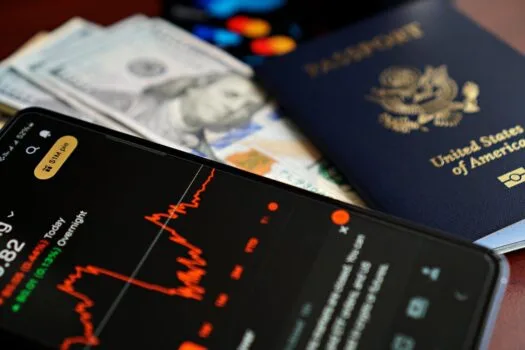
Most AI-driven visa waivers require a digital link between your passport and the immigration database. Log into the official government portal of your destination country at least 72 hours before departure. Confirm that your waiver is approved and linked to your passport number. Do not rely on email confirmations alone; the border scanner reads the passport chip and the immigration database directly.

If you are a frequent traveler, pre-enroll in programs like Global Entry, TSA PreCheck, or the destination country’s equivalent (such as the UK’s eGates or Singapore’s Automated Clearance). This involves submitting fingerprints and a facial scan in advance. Without this enrollment, you will likely be directed to a manual counter even if you have a valid visa waiver, defeating the purpose of the AI system.

Biometric gates rely on facial recognition. Ensure your passport photo is recent and meets current standards. If you have undergone significant facial changes, surgery, or wear heavy makeup that alters your bone structure, the AI may reject your match. Remove sunglasses, hats, and masks before approaching the gate. If you have dark skin or deep-set eyes, adjust your posture to face the scanner directly, as some older systems struggle with contrast.

Even with a paper passport, many AI waivers require a QR code or digital token on your phone. Keep your device charged and your wallet app organized. Have a screenshot of your visa waiver and boarding pass saved offline. Network failures at busy international hubs are common, and you will not have time to troubleshoot connectivity issues while standing in line.

AI gates are often segregated by nationality, visa type, and residency status. Look for the specific flag or "eGates" signage. Do not assume all automated lanes are open to everyone. If you are unsure, ask a border agent before entering the queue. Entering the wrong lane will result in an immediate alarm and a delay for everyone behind you.
-
Visa waiver approved in official database
-
Biometric program enrollment confirmed
-
Passport photo is recent and clear
-
Digital backup of documents saved offline
-
Correct automated lane identified
Fix common mistakes
Biometric entry systems and AI-driven visa waivers are designed to reduce friction, but they rely on precise data matching. When travelers treat these systems like standard customs lines, they often trigger secondary screenings that delay their arrival. The goal is to align your digital profile with physical reality before you land.
Mismatched biometric data
The most frequent error is uploading photos that do not meet the specific lighting and framing requirements of the destination’s border agency. A selfie taken in a moving vehicle or with poor lighting creates a facial map that differs from your passport photo. This discrepancy forces officers to manually verify your identity, negating the speed benefits of the waiver.
Ensure your submission photo has neutral expression, even lighting, and no accessories. If you wear glasses, check the specific country’s rules; some accept them, while others require a photo without any eyewear. Consistency between your digital submission and your physical appearance is the single most effective way to avoid delays.
Outdated visa waiver status
Travelers often assume their visa waiver status is permanent once approved. In reality, many programs require periodic re-authorization or have strict validity windows tied to your passport’s expiration date. Submitting an application with a passport that expires within six months of your entry date is a common rejection reason.
Check the expiration date on your passport before starting any application. If your passport is nearing expiration, renew it first. Then, apply for the visa waiver or travel authorization using the new passport details. Keeping your digital travel credentials synchronized with your physical document prevents last-minute cancellations.
Ignoring secondary screening triggers
AI systems flag anomalies for human review. If your travel history, itinerary, or declared purpose seems inconsistent with your profile, you may be routed to a secondary inspection area. This is not a penalty, but a standard security protocol. Travelers who panic or provide inconsistent verbal answers during this process often face longer detention times.
Answer questions calmly and consistently with your written application. If your digital profile shows a business trip, but you intend to visit family, update your application beforehand. Transparency and preparation turn a potential bottleneck into a routine check.
2026 travel trends: what to check next
Travelers are navigating a shift from impulse bookings to calculated trips. The rise of biometric entry and AI-driven waivers has streamlined borders, but it hasn’t eliminated the need for careful planning. Below are answers to the most common questions about where and how people are going in 2026.
No comments yet. Be the first to share your thoughts!