

Get digital travel identity 2026 right
The shift to digital travel identity in 2026 is no longer theoretical; it is becoming the operational standard for international aviation and border control. For US citizens and other visa-exempt travelers, this transition introduces new requirements like the European Travel Information and Authorisation System (ETIAS), which mandates digital pre-registration before entry into 30 European countries. Understanding these changes is critical to avoiding denied boarding or entry delays.
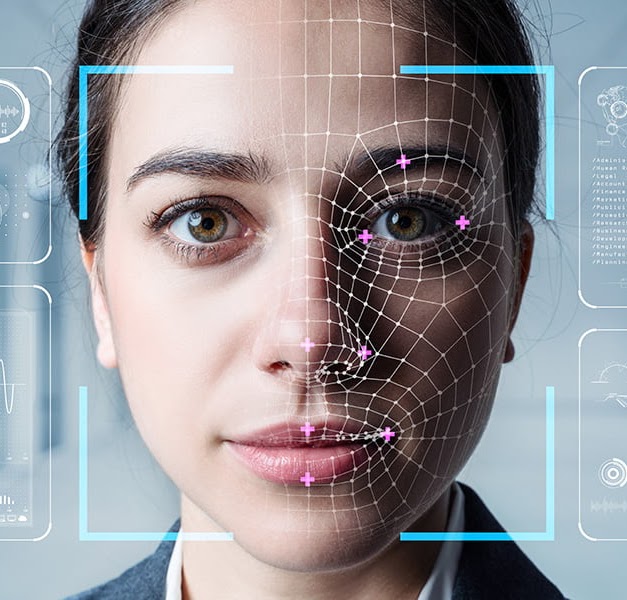
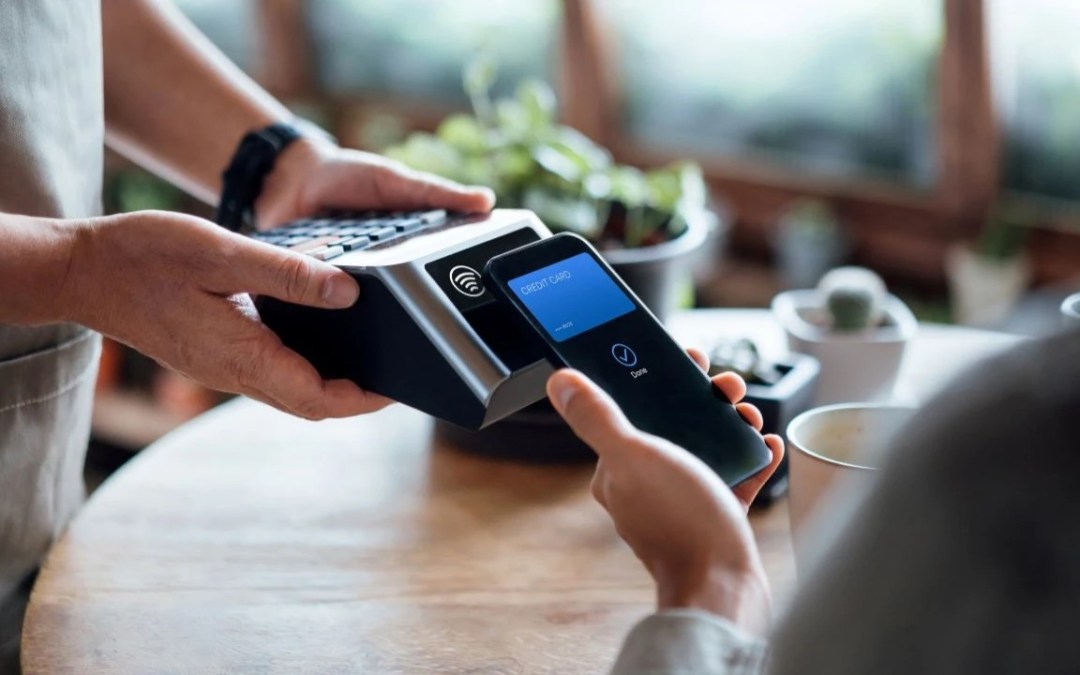
The most common failure point for travelers is assuming that a physical passport alone suffices for all digital checkpoints. While your passport remains your primary legal identity, many airports now require a compatible Digital ID stored in a mobile wallet (such as Apple Wallet or Google Wallet) for streamlined TSA screening and biometric boarding. This dual-layer approach—physical document for legal entry, digital credential for process efficiency—requires preparation before you travel.
Start by identifying your primary constraint: is it budget, device compatibility, or the specific countries you are visiting? For example, if you are traveling to Europe, ETIAS is non-negotiable. If you are flying domestically within the US, Digital ID acceptance varies by airport and airline. Compare these options against your actual itinerary. Remove choices that only work in ideal conditions, such as assuming all airlines accept digital IDs for check-in, and save optional upgrades for later. The simplest way to use this section is to write down the real constraint first, compare each option against it, and choose the path that still works outside ideal conditions.
Work through the steps
The Traveler’s to Digital Identity works best as a clear sequence: define the constraint, compare the realistic options, test the tradeoff, and choose the path with the fewest hidden costs. That order keeps the advice usable instead of decorative.
After each step, pause long enough to check whether the recommendation still fits the reader's actual situation. If it depends on perfect timing, unusual access, or a best-case budget, include a simpler fallback.
Fix common mistakes
The Traveler’s to Digital Identity troubleshooting should start with a clear boundary: what is actually broken, and what still works normally. Check the display, network connection, paired devices, app access, and recent updates before assuming the whole system needs a reset. A small connection failure can make the main screen feel unreliable even when the core system is fine.
Work from low-risk checks to deeper resets. Confirm power state, safe parking, account access, and signal first. Then restart the interface, wait for it to reload completely, and test the original symptom. Avoid changing multiple settings at once because that makes it harder to know which step actually fixed the problem.
If the issue affects safety information, repeats after every restart, or appears with warning messages, treat the reset as a temporary diagnostic step rather than the final fix. Document the symptom and move to official support instead of stacking more DIY attempts.
The simplest way to use this section is to keep the setup small, verify each change, and record the stable configuration before adding optional accessories.
Digital travel identity 2026: what to check next
Digital identity systems are shifting from pilot programs to standard operations. This FAQ addresses the practical hurdles travelers face when adopting biometric borders and digital credentials. The answers focus on concrete requirements and official verification methods.
Practical implementation details
To ensure your digital identity setup is robust, you must understand the technical and logistical nuances of the current landscape. This section provides concrete details on device compatibility, security protocols, and contingency planning.
Device Compatibility and Wallet Integration
Not all smartphones support Digital IDs for travel. You must verify that your device meets the specific hardware requirements for Secure Element access, which is necessary for storing encrypted biometric data. As of 2026, most flagship models from Apple (iPhone 13 and later) and Google (Pixel 6 and later) support this feature. However, older devices or budget models may lack the necessary security chips. Before traveling, check your device settings to confirm that "Digital ID" or "Passkeys" are enabled. If your device is incompatible, you must rely on your physical passport and any required visas, which may slow down your passage through automated gates.
Security and Privacy Considerations
A common concern is the security of storing travel credentials digitally. Digital IDs use end-to-end encryption and are stored in a dedicated, isolated part of your device’s secure element. This means that even if your phone is lost or stolen, the digital ID cannot be extracted or used without your biometric authentication (Face ID, Touch ID, or fingerprint). Unlike a physical passport, a digital ID does not broadcast your personal information to every scanner; it only shares the specific data required for verification. To maintain security, ensure your device’s operating system is updated to the latest version, as these updates often include critical security patches for biometric authentication protocols.
Contingency Planning for Network Failures
Digital travel processes often rely on connectivity to verify credentials in real-time. While many airports have robust Wi-Fi, you may encounter dead zones in terminals or on planes. To mitigate this, ensure your Digital ID is cached locally on your device. Most wallet applications allow you to generate a QR code or NFC token that can be scanned even without an active internet connection. Additionally, always carry a physical backup, such as a printed copy of your ETIAS approval or a physical passport card, in case your device battery dies or the digital system experiences a widespread outage. This redundancy is crucial for avoiding significant delays or being denied boarding.
Cost and Maintenance Implications
While many Digital ID features are free, some advanced services or third-party apps may charge subscription fees for premium verification services. However, official government-issued Digital IDs, such as those integrated into Apple Wallet or Google Wallet, are typically free to set up and use. Be wary of third-party apps that claim to offer "faster" travel processing for a fee; these are often unnecessary and may not be recognized by all airlines or border control agencies. Stick to official sources and verified wallet integrations to avoid hidden costs. Regularly review your digital credentials to ensure they are up-to-date, especially if your personal information (such as your name or passport number) has changed.
Future-Proofing Your Travel Setup
The landscape of digital travel identity is evolving rapidly. New international standards, such as the ICAO (International Civil Aviation Organization) guidelines for digital travel credentials, are being adopted globally. To stay ahead, monitor announcements from your home country’s Department of State and the aviation authorities of your destination countries. Subscribe to official travel alerts and check for updates on Digital ID acceptance at your frequent airports. By staying informed, you can adapt your travel setup to new requirements before they become mandatory, ensuring a smooth and efficient travel experience in 2026 and beyond.
No comments yet. Be the first to share your thoughts!