
2026 visa-free travel budget
Visa-Free Travel works best when the purchase path is explicit. Verify the source, compare the offer against real alternatives, check the total cost, and confirm what happens after payment before you decide. After each comparison, write down the one risk that would change your mind. If the seller, condition, support, warranty, shipping, or upkeep still feels uncertain, resolve that question before moving to checkout.
The simplest way to use this section is to verify the seller, compare the total cost, and resolve the biggest risk before you commit.
Shortlist real options
Use this section to make the Visa-Free Travel decision easier to compare in real life, not just on paper. Start with the reader's actual constraint, then separate must-have requirements from details that are merely nice to have. A practical choice should survive normal use, maintenance, timing, and budget. If a recommendation only works in an ideal situation, call that out plainly and give the reader a fallback path.
| Factor | What to check | Why it matters |
|---|---|---|
| Fit | Match the option to the primary use case. | A good deal still fails if it does not fit the job. |
| Condition | Verify age, wear, and service history. | Hidden condition issues erase upfront savings. |
| Cost | Compare purchase price with likely upkeep. | The cheapest option is not always the lowest-cost option. |
Inspect the expensive parts
The biggest travel disasters usually come from overlooked paperwork or expired documents. A denied boarding pass costs time and money far more than a late-night document check. Use this checklist to inspect the high-cost failure points before you pack your bags.

Many countries require your passport to be valid for at least six months beyond your entry date. Some, like China, may have different rules. Verify the specific requirement for your destination on the official government travel site. An expired passport means a forced return flight.
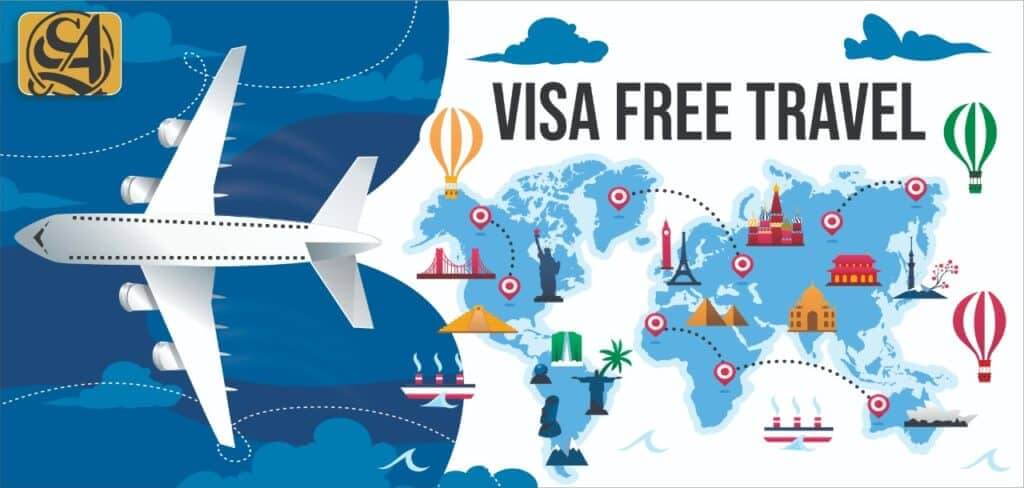
Visa-free access is not universal. Check if your nationality qualifies for the Visa Waiver Program or specific bilateral agreements. For example, China has extended its visa-free policy for certain nationals through 2026, but limits are strict. Confirm the exact number of allowed days to avoid overstaying.
Border agents often ask for proof of onward travel or a return ticket. Having a confirmed reservation for accommodation or a clear itinerary prevents questions at immigration. Keep digital and physical copies of these documents separate from your main wallet.
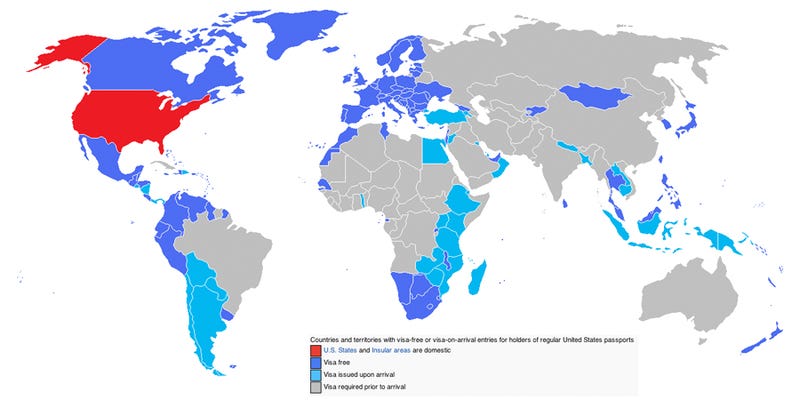
Some destinations require specific vaccinations or proof of travel insurance. Medical costs abroad can be devastating without coverage. Check the CDC or local health ministry for mandatory entry requirements before you book your trip.


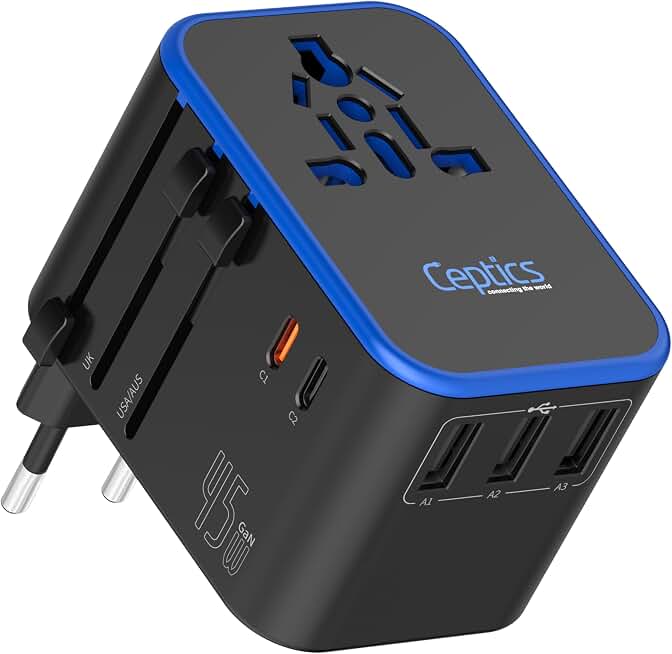
As an Amazon Associate, we may earn from qualifying purchases.
Ownership Costs
A visa-free label is a ticket to enter, not a license to ignore the price of staying. What looks like a bargain entry often hides recurring fees that eat into a nomad’s runway. Before you commit to a destination based solely on border rules, calculate the full cost of legal residence.
The biggest surprise is usually the residency permit itself. Many countries offer 30-day visa-free entry, but converting that to a 90-day or 6-month stay requires a local application. These permits often cost $100–$300 per renewal and require proof of income or local health insurance. If you plan to bounce between countries to reset the clock, factor in the transport and administrative time cost.
Health insurance is another silent expense. Visa-free travelers often assume their home coverage applies, but many digital nomad visas or long-stay permits require local medical insurance. This can add $50–$150 monthly to your budget. Without it, a single emergency room visit can wipe out months of savings.
Essential Gear for Managing Border Costs
Staying organized reduces the risk of expensive overstays or denied entries. The right tools help you track expiration dates and manage digital paperwork efficiently.


As an Amazon Associate, we may earn from qualifying purchases.
2026 visa-free travel: what to check next
The landscape for digital nomads is shifting as new authorization systems take effect. While passport power remains high, the administrative burden for short-term stays is increasing in key regions. Understanding these changes before booking is essential for maintaining your workflow.
Do I need an ETIAS for Europe in 2026?
Yes. Starting in the last quarter of 2026, U.S. citizens must obtain an ETIAS travel authorization to enter most European Union countries visa-free. This applies to all travelers, including minors. The process is an online application, but you must apply before booking flights to avoid entry denial.
How long can I stay in the U.S. under the Visa Waiver Program?
The Visa Waiver Program (VWP) allows citizens of participating countries to enter the United States for stays of 90 days or less for tourism or business. You cannot extend this stay or change status easily while inside the country. Ensure your passport is valid for the duration of your trip and that you have an approved ESTA before departure.
Is visa-free entry to China still available?
China has extended its visa-free travel policy until December 31, 2026. This allows eligible nationals to stay for up to 30 days without a visa for tourism, business, or family visits. For stays longer than 30 days or for work purposes, you must still apply for a traditional visa through a Chinese embassy or consulate.
How many countries can I visit without a visa in 2026?
Holders of a United States passport may travel to 179 countries and territories without a pre-arranged travel visa, or with a visa on arrival. However, "visa-free" does not always mean "visa-on-arrival." Always check specific entry requirements for your nationality, as some destinations require electronic travel authorizations even if no physical visa is needed.
No comments yet. Be the first to share your thoughts!