2026 digital nomad visas
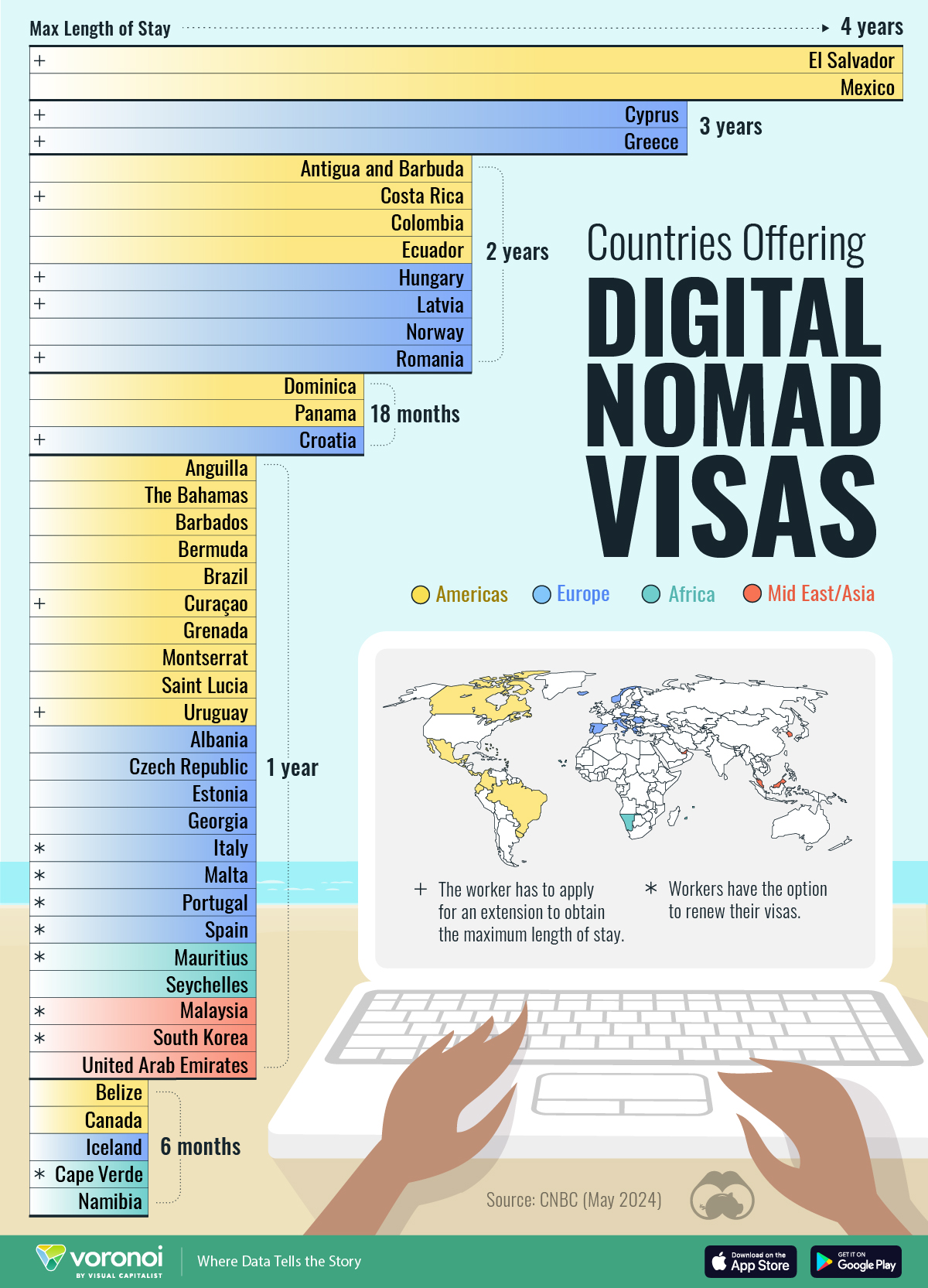
The landscape for remote work permits has shifted significantly. With over 40 countries now offering dedicated remote work visas in 2026, the options have expanded well beyond the traditional hubs of Europe and Southeast Asia. This guide focuses on the ten most viable destinations based on updated 2026 incentives, processing speeds, and lifestyle quality.
We selected these countries by cross-referencing official government immigration updates with recent traveler reports. The priority was placed on clear eligibility criteria, reasonable income thresholds, and tangible benefits like tax exemptions or multi-year validity. Rather than listing every available permit, we narrowed the field to those offering the most practical balance of legal security and daily convenience for long-term stays.
10 2026 Traveler’s guide to Digital Nomad Visas: Top 10 Countries with New 2026 Incentives
The digital nomad visa landscape is shifting in 2026, with ten countries introducing sharper incentives to attract remote workers. This guide cuts through the noise to highlight specific visa programs, updated income thresholds, and practical tradeoffs for long-term stays.
1. Portugal D8 Visa Income Thresholds for 2026
Portugal’s updated D8 visa requires proof of stable remote income, with thresholds adjusted for 2026 inflation. Applicants must demonstrate earnings significantly above the national minimum wage to ensure financial self-sufficiency. This rigorous financial screening helps maintain the program’s integrity while attracting skilled remote professionals who can contribute to the local economy without relying on public funds.

2. Spain Digital Nomad Visa Tax Benefits Explained
Spain’s Digital Nomad Visa offers a favorable tax regime for eligible remote workers, including a flat tax rate for the first four years. This incentive significantly reduces the fiscal burden compared to standard Spanish income tax brackets. By lowering overall tax liabilities, Spain aims to attract high-value digital talent, making it a financially compelling destination for those seeking European residency with substantial tax advantages.

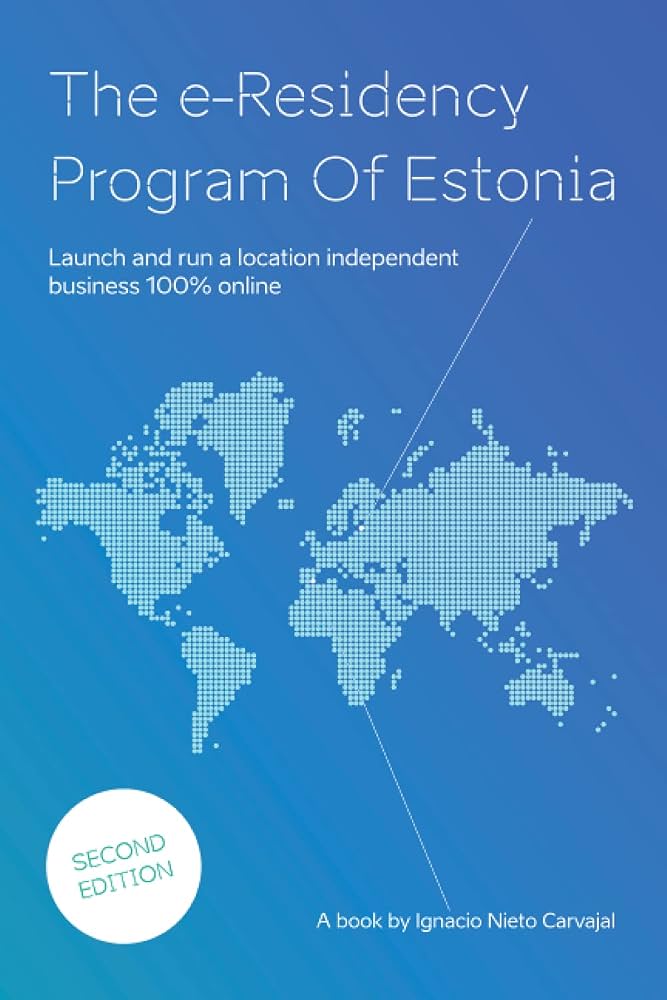
3. Estonia e-Residency Integration with Nomad Visas
Estonia uniquely combines e-Residency with its Digital Nomad Visa, allowing remote workers to manage business administration digitally while residing physically in the country. This dual approach streamlines bureaucratic processes, enabling nomads to set up EU-based companies effortlessly. The integration offers a seamless blend of digital governance and physical presence, ideal for tech-savvy entrepreneurs seeking efficient administrative solutions.
4. Croatia Visa Application Process and Costs
Croatia’s application process for the Digital Nomad Visa is straightforward, with clear fee structures and documentation requirements. Applicants must submit proof of employment, health insurance, and accommodation, alongside a modest processing fee. The transparent cost framework and efficient review timeline make Croatia an accessible option for remote workers seeking a Mediterranean base without excessive bureaucratic hurdles or hidden expenses.

5. Germany Freelancer Visa for Remote Workers
Germany’s Freelancer Visa caters to self-employed remote workers, requiring proof of viable business prospects and sufficient financial resources. Unlike standard tourist visas, this permit allows long-term residence for those contributing to the German economy through freelance services. The process demands careful documentation of contracts and financial stability, ensuring that applicants can sustain themselves without local employment support.

6. Denmark Fast-Track Scheme for Specialists
Denmark offers a streamlined Fast-Track Scheme for highly skilled specialists, including remote workers, aiming to integrate you into the Danish labor market quickly. The process is faster than standard work permits, often resolving in weeks if your employer meets specific criteria. This route suits tech experts and consultants who need efficient entry without the lengthy bureaucracy of standard immigration processes.
7. Greece Golden Visa vs Nomad Options
Greece distinguishes between the investment-heavy Golden Visa and the newer Digital Nomad Visa, each serving different traveler profiles. The Nomad Visa targets remote employees with stable foreign income, bypassing the high real estate thresholds required for residency by investment. This distinction is crucial for nomads who prefer living expenses over property ownership, offering a more accessible path to Greek residency in 2026.

8. Malta Nomad Residence Permit Requirements
Malta’s Nomad Residence Permit allows remote workers to live in the EU hub for up to one year, renewable. Applicants must prove a minimum monthly income and secure comprehensive health insurance. The application requires a clean criminal record and proof of remote employment outside Malta. This scheme is ideal for short-term European base seekers who value EU access without long-term commitment.

9. UAE Dubai Virtual Work Programme Details
Dubai’s Virtual Work Programme offers a one-year renewable visa for remote employees and freelancers, requiring a monthly income of $3,500 or equivalent. The program emphasizes flexibility, allowing holders to reside in Dubai while working for foreign entities. It includes access to healthcare and banking services, making it a strategic base for Middle Eastern market expansion without local employment sponsorship.

10. Costa Rica Rentista Visa for Remote Staff
Costa Rica’s Rentista Visa is designed for individuals with stable passive income or remote salaries, requiring a deposit of $60,000 or a guaranteed monthly pension of $2,500. While not exclusively a digital nomad visa, it accommodates remote workers seeking long-term residency. This option provides a pathway to permanent residency and citizenship, appealing to those prioritizing stability and nature over short-term flexibility.

How to choose the right digital nomad visa
Picking a visa isn't just about finding the cheapest option. It's about matching your work style and budget to the country's actual infrastructure. With over 40 countries offering remote work visas in 2026, the list can feel overwhelming. Use this framework to filter the noise.

Many visas require proof of steady income, often ranging from $2,000 to $4,000 per month. Verify the minimum threshold before applying. Some countries allow you to combine freelance contracts to meet the number, while others demand a single employer's letter.

Residency doesn't always mean tax residency, but it can. Spain and Portugal have changed their tax treaties recently. Check if the visa grants you "non-habitual resident" status or if you'll owe taxes in both your home country and the host country.
Your visa is only useful if you can actually work. Look for countries with consistent fiber optic coverage in major cities. Croatia, for example, remains a top pick not just for its culture, but for its reliable coastal internet infrastructure that supports remote workers year-round.
If you're traveling with a partner or children, check the dependent rules. Some visas allow spouses to work locally, while others restrict them to tourism activities. This is a critical differentiator for long-term stays.
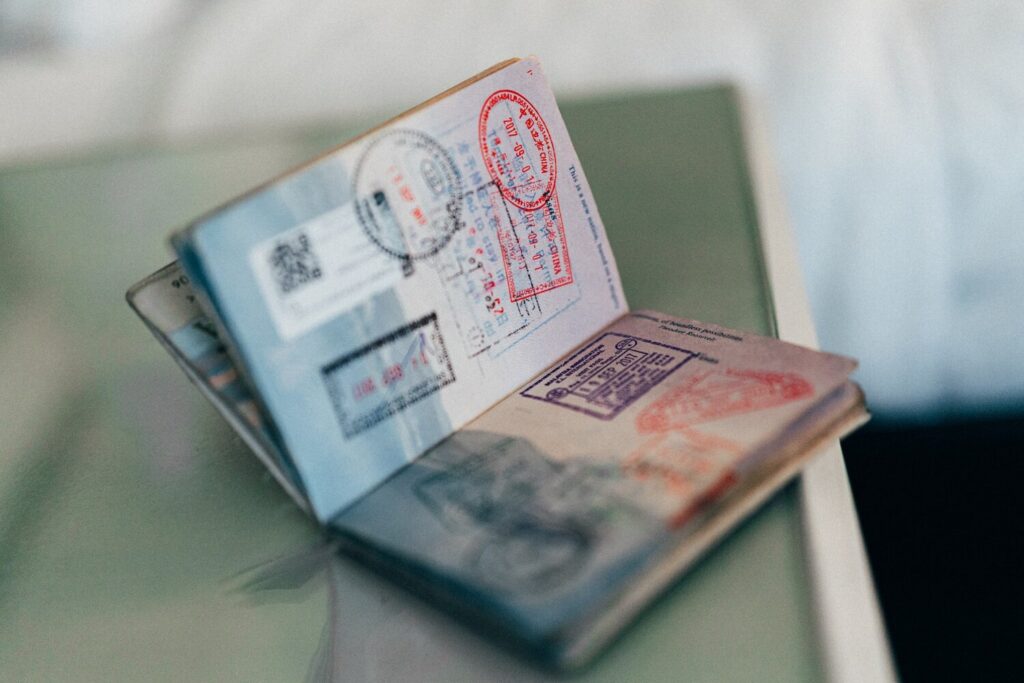
Most digital nomad visas require private health insurance that covers the host country. Compare plans that offer local hospital access versus those that are strictly for emergency evacuation. Healthcare costs can vary wildly between Southeast Asia and Western Europe.
| Criteria | Low Priority | High Priority |
|---|---|---|
| Visa Cost | $100–$300 application fee | Tax residency status |
| Stay Duration | 3–6 month initial term | Renewal flexibility |
| Infrastructure | ||
| Family Rules | Single applicant only | Spouse work rights |


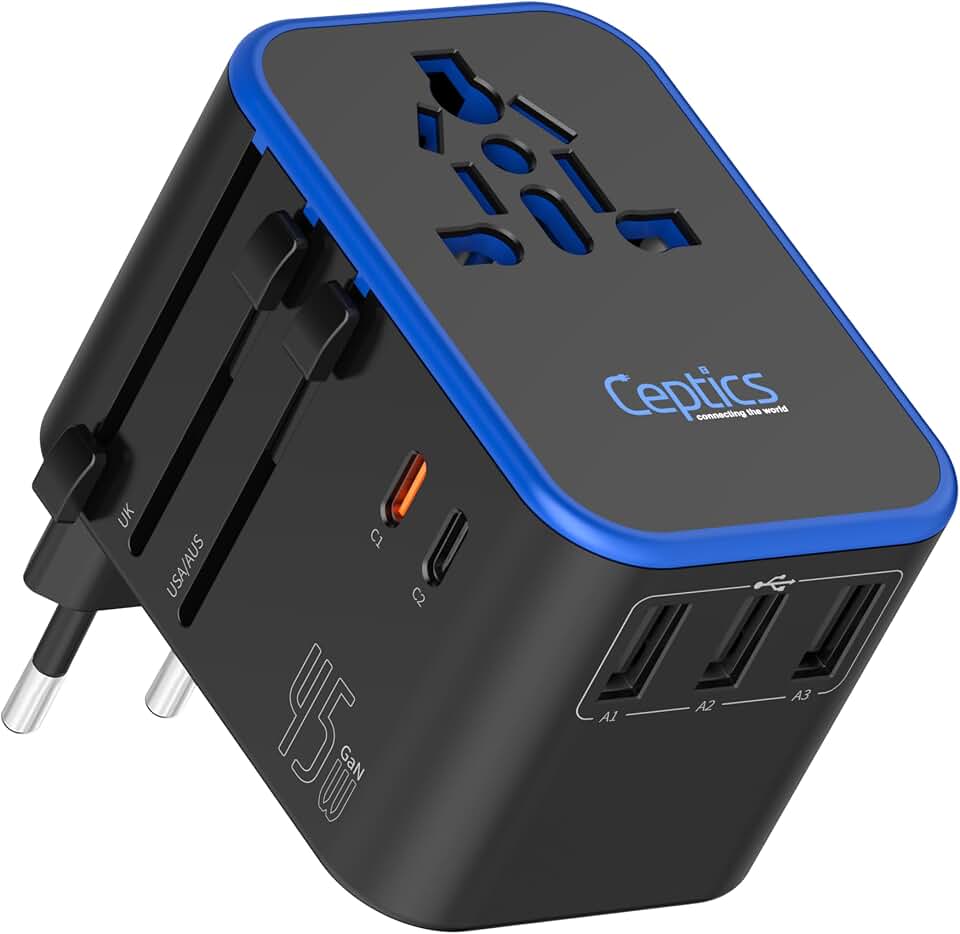
As an Amazon Associate, we may earn from qualifying purchases.
Frequently asked questions about 2026 digital nomad visas
How much money do I need to earn for a digital nomad visa? Most countries require proof of stable remote income, typically starting around $850 to $2,000 per month. In 2026, over 50 nations offer these visas, with European options like Croatia and Spain often demanding higher thresholds to ensure self-sufficiency. Always check the specific financial proof requirements, such as bank statements or employment contracts, for your target destination.
Can I work locally while on a digital nomad visa? No. These visas are strictly for remote work performed for clients or employers outside the host country. Engaging in local employment, freelancing for local businesses, or setting up a local company is generally prohibited. Violating this rule can lead to visa cancellation and future entry bans.
How long can I stay with a digital nomad visa? Visa durations vary significantly, ranging from one to three years depending on the country. Some nations allow renewal or conversion to long-term residency, while others require you to leave and reapply. Plan your moves carefully to maintain legal status, especially if you intend to stay for multiple years.
Do I need health insurance to apply? Yes, comprehensive health insurance is a standard requirement for most 2026 digital nomad visa applications. You must prove coverage that meets or exceeds local minimum standards. Relying solely on travel insurance may not suffice; check if the host country requires coverage for repatriation or specific medical services.
No comments yet. Be the first to share your thoughts!