
Digital nomad visa 2026 budget
The cost of living in 2026 varies wildly depending on where you anchor your remote work. While some European destinations offer fast-track processing, they often come with a premium price tag that can erase your tax exemptions if you are not careful. Your visa choice should align with your monthly burn rate, not just the prestige of the country.
Croatia remains a top pick for 2026, blending unique culture with unbeatable coastlines. However, the average monthly expense for a solo remote worker in Split or Dubrovnik can range from $2,500 to $3,500, excluding rent. This is significantly higher than Southeast Asian hubs like Bali or Chiang Mai, where you might stretch $1,500 to $2,000 comfortably. The trade-off is infrastructure and EU access.
If you are chasing tax exemptions, look at countries with territorial tax systems or specific nomad tax regimes. These can save you thousands annually, effectively lowering your real cost of living. But remember, a low-cost country with no tax benefits might end up costing you more in the long run due to higher global tax liabilities. Always calculate your total annual cost, including visa fees and health insurance, before committing.
To support your transition, having the right gear can make a significant difference in your productivity and comfort, especially if you are moving between different climates and workspaces. The following tools are essential for maintaining a stable workflow while on the road.
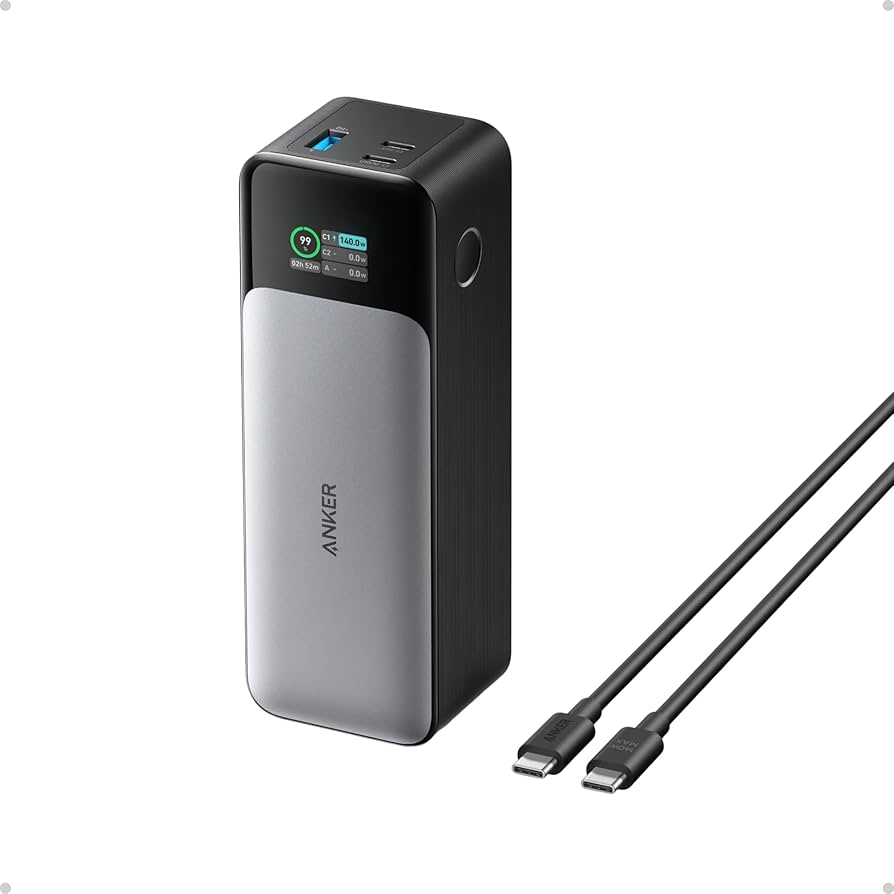


As an Amazon Associate, we may earn from qualifying purchases.
Shortlist real options
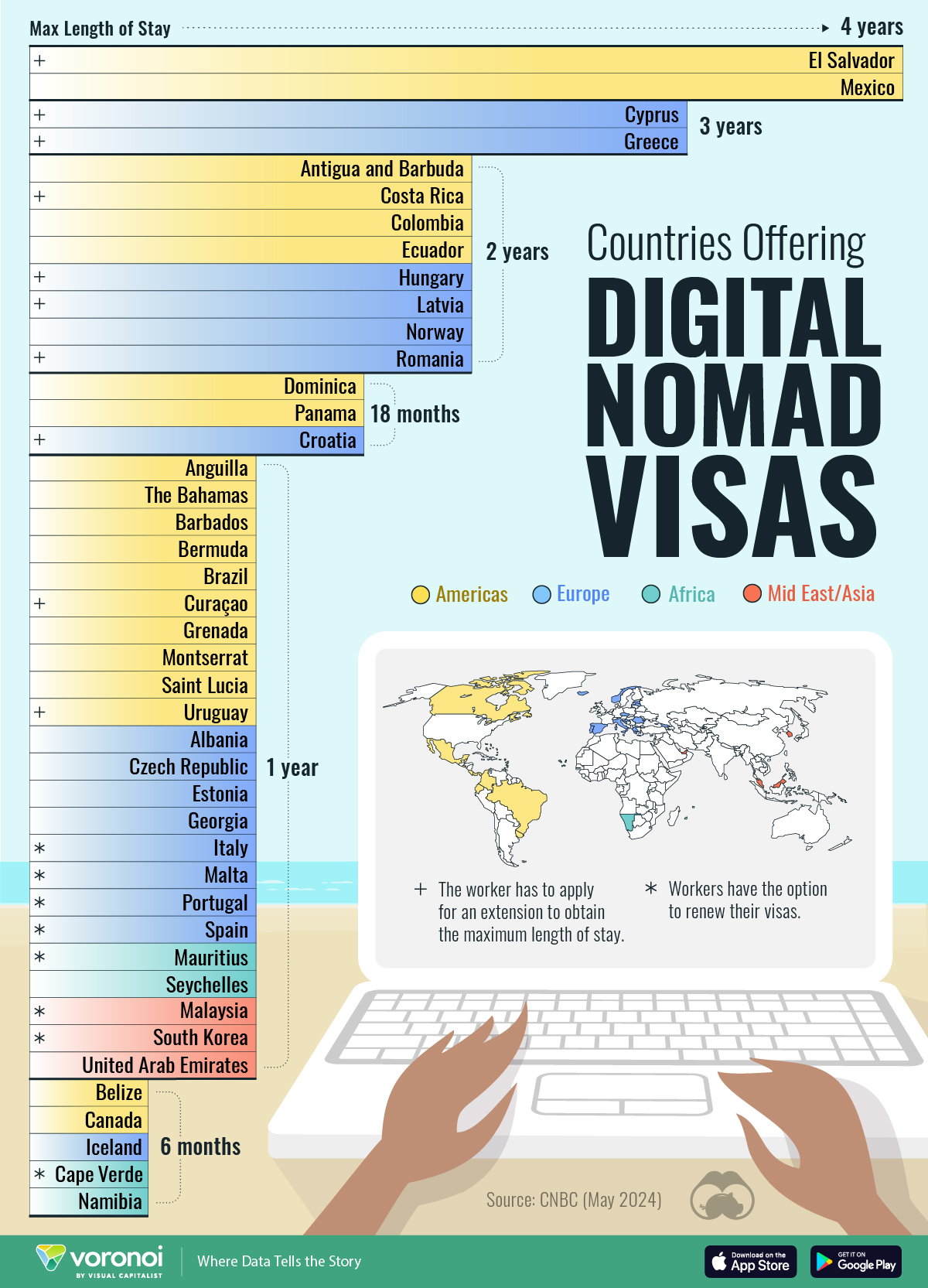
The digital nomad visa landscape in 2026 has shifted from novelty to necessity. With over 40 countries now offering remote work visas, the decision comes down to specific tradeoffs: tax efficiency, processing speed, and cost of living. Rather than guessing, compare the strongest contenders side-by-side to find the fit for your income and lifestyle.
The table below highlights the primary variables for five leading destinations. Note that income thresholds and validity periods are subject to change based on government updates. Always verify the latest requirements on official immigration portals before applying.
| Country | Min. Income | Validity | Tax Status | Processing Time |
|---|---|---|---|---|
| Croatia | $2,329/mo | 12 months | Non-resident after 183 days | 15-30 days |
| Spain | €2,600/mo | 1 year (renewable) | Beckham Law (24% flat) | 10-20 days |
| Portugal | €3,480/mo | 1 year (renewable) | NHR regime (phasing out) | 30-60 days |
| Sri Lanka | $2,000/mo | 12 months | Tax-free for first 30 days | Instant e-visa |
| Estonia | €4,507/mo | 1 year (renewable) | Resident taxation applies | 1 month |
Croatia and Sri Lanka offer the lowest barriers to entry, making them ideal for testing the nomadic lifestyle with minimal financial commitment. Spain and Portugal remain top picks for those seeking EU access and favorable tax regimes, though the financial requirements are higher. Estonia provides a structured, digital-first experience but demands a stronger income base.
Inspect the expensive parts
A digital nomad visa is a powerful tool, but the application process hides several costly traps. One missed document or a miscalculated income threshold can result in rejection fees, lost work days, or unexpected tax liabilities. Treat your application like a compliance audit rather than a casual travel plan. The cost of failure far exceeds the cost of preparation.
We have broken down the five most expensive failure points. Follow this checklist to ensure your application is robust before you submit it.

Most countries require proof of stable income, often pegged to 2-4x the local minimum wage. Do not rely on last month’s bank statement. Exchange rates fluctuate, and consulates apply strict buffers. Calculate your monthly earnings in the local currency using a conservative rate to avoid being deemed underqualified.
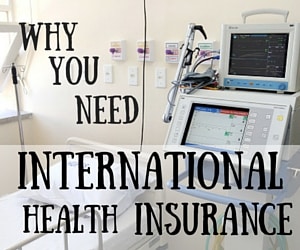
Generic travel insurance is rarely accepted. You need comprehensive health coverage that explicitly includes repatriation and long-term stay provisions. Check the minimum coverage amount required by the specific country; some demand upwards of €100,000. A policy that lapses mid-stay can lead to immediate visa revocation and deportation costs.
A police certificate is standard, but validity periods vary wildly. Some countries require the document to be issued within the last 30 days, while others accept six months. If your certificate expires while you are waiting for visa approval, you must start the process over. Time your request to coincide exactly with your submission date.

Having a visa does not automatically exempt you from local taxes. If you stay beyond a certain threshold (often 183 days), you may trigger tax residency. Check if your home country has a double taxation treaty with your destination. Without this, you could face paying taxes twice on the same income, a financial burden that is difficult to reverse.
Many jurisdictions require documents to be apostilled or legalized. This is a multi-step process involving local government and foreign affairs departments. Additionally, certified translations are often mandatory. Submitting original documents without these formalities is the most common reason for immediate rejection, wasting both time and application fees.


As an Amazon Associate, we may earn from qualifying purchases.
By addressing these specific failure points, you protect your investment and ensure a smoother transition. The upfront effort in verification saves significant headaches later.
Ownership costs: Plan for the hidden expenses
A digital nomad visa might offer tax breaks, but it rarely offsets the full cost of living. When you add rent, utilities, and co-working memberships to your budget, a "cheap" country can quickly become expensive. For example, Lisbon and Barcelona have seen rental prices surge due to high demand from remote workers, often eroding the savings you might expect from lower local costs.
Beyond housing, you must account for mandatory insurance, visa application fees, and potential residency taxes. Many countries require proof of private health insurance, which can cost $50–$100 monthly. Additionally, some nations impose a non-dom tax regime that requires you to spend only 183 days abroad to avoid local income tax, but failing to track this precisely can lead to double taxation.
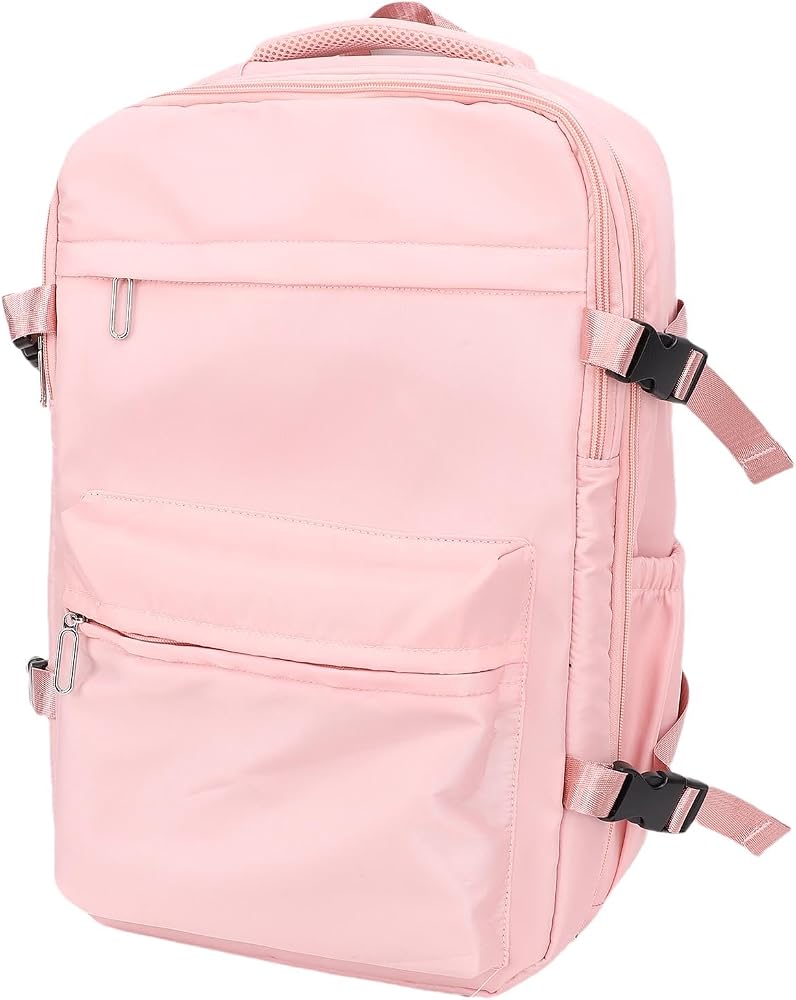
To manage these costs, consider gear that simplifies your workflow and reduces friction. A reliable portable router ensures you can work from anywhere, while a noise-canceling headset helps you focus in noisy cafes.


As an Amazon Associate, we may earn from qualifying purchases.
Always calculate your total monthly burn rate, including a 15–20% buffer for unexpected expenses like medical visits or last-minute flight changes. This realistic view prevents budget shortfalls and keeps your nomadic lifestyle sustainable.
No comments yet. Be the first to share your thoughts!