
Visa-Free Countries 2026: How We Picked the Top 10
Navigating entry rules can feel like decoding a secret language. We focused on destinations where US passport holders can land, show their passport, and go—no embassy visits or complex paperwork required. This list prioritizes straightforward access for tourism, business, or short-term transit.
Selection criteria were strict. We only included countries with clear, long-standing visa-waiver agreements or unilateral exemptions that allow stays of at least 30 days. We excluded destinations requiring Electronic Travel Authorizations (eTA) or visa-on-arrival processes, as those introduce friction and potential delays. Each entry represents a destination where the "show up and go" promise holds true for the average traveler.
10 2026 Visa-Free Travel guide: Top 10 Destinations for US Passport Holders
The 2026 visa-free landscape for US passport holders has shifted with new bilateral agreements and entry requirement updates. This guide cuts through the noise to highlight the 10 most accessible destinations, focusing on practical entry rules, current costs, and essential travel logistics for seamless planning.
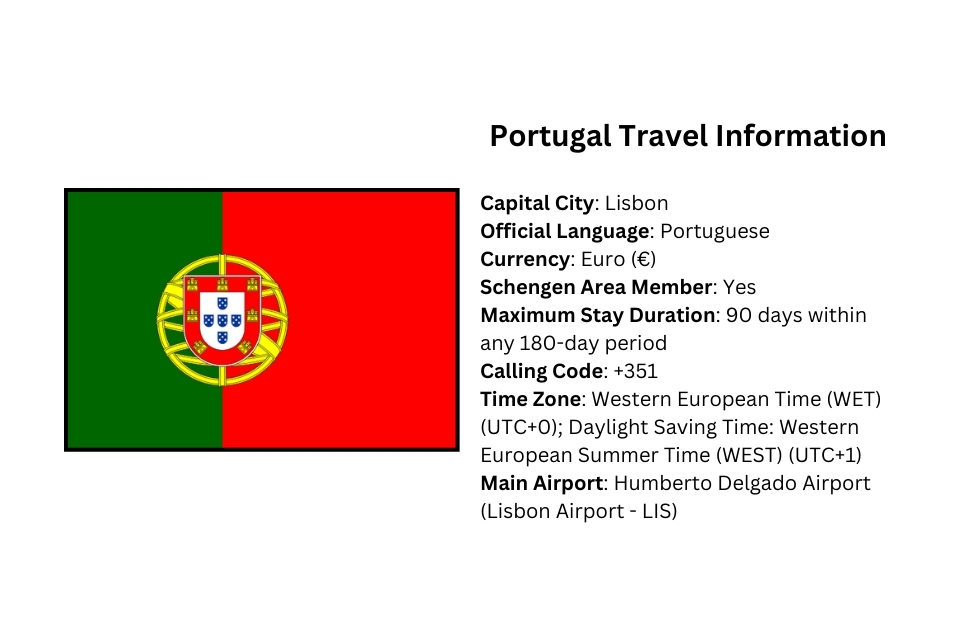
1. Portugal's Schengen 90-day summer limits
Portugal offers stunning coastal views, but the Schengen 90/180-day rule is strict for US citizens. During peak summer months, you must track your days carefully to avoid overstaying penalties. Plan a focused itinerary around Lisbon and the Algarve, ensuring you leave the zone before the clock runs out to maintain future visa-free eligibility.
2. Iceland's extended Arctic winter accessibility
Iceland transforms into a winter wonderland, offering unique accessibility to Arctic landscapes from late autumn through early spring. While daylight hours shrink, the chance to witness the Northern Lights peaks. Prepare for rugged terrain and limited public transport in remote areas, making a rental car with winter tires essential for safe exploration.

3. South Korea's K-pop cultural entry perks
South Korea welcomes US travelers with a vibrant cultural scene, from K-pop concerts to historic palaces. The visa-free stay allows ample time to explore Seoul’s dynamic neighborhoods and enjoy world-class cuisine. Check current entry requirements for electronic travel authorization if applicable, and book popular venues well in advance for peak seasons.

4. Japan's cherry blossom spring timing guide
Japan’s cherry blossoms draw millions, but timing is critical for a peaceful experience. Early April typically brings blooms to Tokyo, while Kyoto sees peak beauty slightly later. Secure accommodations months ahead, as hotels fill rapidly. Enjoy hanami picnics in designated parks, respecting local customs to ensure a respectful and memorable seasonal celebration.

5. Singapore's Changi transit hotel benefits
Singapore’s Changi Airport offers exceptional transit hotel facilities, perfect for long layovers. These compact, soundproof rooms allow travelers to rest comfortably without leaving the secure zone. Utilize this amenity to recharge before your next flight, taking advantage of the airport’s renowned shopping, dining, and gardens for a seamless travel experience.

6. Malaysia's digital nomad visa alternatives
The Malaysia Digital Arrival Card (MDAC) simplifies short-term entry for remote workers, though it differs from the long-term DE Rantau visa. Travelers must complete this digital form 72 hours before arrival. This streamlined process replaces paper customs declarations, allowing faster clearance at Kuala Lumpur International Airport for eligible nationalities visiting for business or leisure.

7. Brazil's Carnival season crowd management
Rio’s Carnival transforms the city into a chaotic, vibrant spectacle. Secure accommodation months in advance, as prices triple during peak weeks. Use official Sambadrome tickets for structured viewing, but explore neighborhood blocos for authentic street parties. Public transport runs on modified schedules; download the Rio card app to navigate metro delays and plan routes around parade closures.

8. Mexico's southern border entry requirements
Entering Mexico from the south requires a valid Forma Migratoria Múltiple (FMM). While often included in flight tickets, travelers arriving by land must purchase this tourist card separately. Keep the stub safe until departure; losing it incurs fines. Ensure your passport has six months validity beyond your stay to avoid entry denial at checkpoints.
9. Colombia's Cartagena coastal travel logistics
Cartagena’s walled city offers stunning colonial architecture but limited parking. Use ride-sharing apps like InDriver or Uber for reliable transport, as taxis may overcharge tourists. Book flights to Rafael Núñez International Airport early; flights from Medellín are frequent and affordable. Stay in Getsemaní for nightlife or the Walled City for history, avoiding the humid heat of midday.
10. Ecuador's Galapagos permit booking process
Visiting the Galapagos requires pre-booking flights through approved airlines and paying a $100 park entry fee. Book tours well in advance, as island access is strictly regulated. Bring a green card for vehicle rentals if exploring Santa Cruz, though most visitors use boat tours. Ensure your passport is valid for six months post-entry to comply with Ecuadorian immigration rules.
Pick the right fit
Choosing the best visa-free destination depends less on the passport stamp and more on your travel rhythm. The 2026 landscape offers distinct options for US passport holders, from the 90-day Schengen window in Europe to the 30-day stays allowed in parts of Asia and South America. To make the right choice, weigh three practical factors: duration, entry requirements, and seasonal timing.
Not all visa-free access is equal. The Schengen Area allows 90 days within any 180-day period, ideal for long European tours. In contrast, countries like South Korea or Brazil often offer 90-day stays per entry, while others like Malaysia provide only 30 days. Check the specific entry rules for your intended length of stay to avoid overstaying penalties.

Visa-free does not mean requirement-free. Many destinations require a valid passport with six months of remaining validity, proof of onward travel, or proof of sufficient funds. For example, the US Visa Waiver Program requires an approved ESTA, while other countries may ask for yellow fever vaccination certificates or hotel reservations upon arrival.
:max_bytes(150000):strip_icc()/TAL-old-town-bukhara-uzbekistan-UZBEKISTAN1225-704a71e55fb047b6be147dd807a5525a.jpg)
Peak seasons can strain even visa-free travel. Summer in Europe brings higher prices and crowded attractions, while Southeast Asia faces monsoon rains. Consider shoulder seasons for better value and fewer tourists. For instance, visiting Japan in late spring or early autumn offers mild weather and clear skies without the summer humidity or winter cold.
-
Verify passport validity (6+ months)
-
Check specific entry requirements (ESTA, vaccinations)
-
Confirm allowed stay duration per country
-
Review seasonal weather and crowd levels
FAQ: Visa-Free Travel Questions for US Passport Holders
Which countries can travel to the USA without a visa in 2026? Citizens of the 40 Visa Waiver Program (VWP) countries can visit the United States for tourism or business for up to 90 days without obtaining a traditional visa. However, travelers must obtain an approved Electronic System for Travel Authorization (ESTA) before departure. The list includes most of Western and Northern Europe, such as the UK, Germany, France, and Italy, as well as Japan, South Korea, Australia, and New Zealand. For the full, official roster, refer to the US State Department’s Visa Waiver Program page.
What are the 75 countries on the no-visa list? There is no single universal "no-visa list" because visa requirements depend entirely on the destination country. The US passport allows visa-free or visa-on-arrival access to approximately 186 destinations, according to the Henley Passport Index. This includes most of Europe, Canada, Mexico, Brazil, and many Asian and Oceanian nations. Some countries, like Kenya or Ghana, have moved to e-visa systems that are often processed online rather than requiring a consular appointment.
Which countries are not visa free for US citizens? While the US passport is powerful, it does not grant unrestricted entry to every nation. Travelers will typically need a visa for many countries in Central Asia, the Middle East, and parts of Africa. For example, China, Russia, India, and most Arab nations require a visa obtained prior to travel. Even within visa-free zones, conditions vary; some countries require proof of onward travel, sufficient funds, or specific vaccinations. Always check entry requirements 60-90 days before your trip, as policies can change.
Which passport is hardest to get? The "hardest" passport to obtain usually refers to those with the most rigorous application processes, including extensive background checks, financial thresholds, or residency requirements. Countries like North Korea or Cuba are effectively closed to most foreign applicants. Among open nations, citizenship by investment programs in the Caribbean or Europe may require significant financial commitment and multi-year residency. For standard travel passports, most countries require proof of citizenship by birth or descent, making the initial acquisition dependent on family lineage rather than application difficulty.
No comments yet. Be the first to share your thoughts!