
2026 digital nomad visa budget
A digital nomad visa is a gateway, not a subsidy. Your budget determines which destinations remain viable when you factor in rent, health insurance, and daily expenses. In 2026, the gap between affordable hubs and premium European hubs has widened, requiring careful tradeoffs between cost and convenience.
Eastern Europe and Southeast Asia offer the most forgiving budgets. Cities like Tbilisi, Georgia, and Lisbon, Portugal, remain popular, but Lisbon’s rising costs are pushing many toward alternatives like Krakow or Sofia. In Asia, places like Chiang Mai and Bali still allow comfortable living on $1,500 to $2,000 a month, though Bali’s tourist zones are inflating prices faster than expected.
Western Europe demands a higher floor. Spain and Portugal require proof of substantial monthly income, often exceeding €2,500, just to qualify. This isn’t just about the visa; it’s about the lifestyle you can sustain. If your remote salary is under €3,000, stick to the lower-cost corridors or consider countries with lower tax burdens like Croatia or Montenegro, which offer EU proximity without Western European price tags.
The real cost isn’t just the visa fee. It’s the hidden friction of moving: flights, deposits, and the initial month of settling in. Always keep a buffer of at least three months’ expenses in a accessible account. This safety net lets you navigate visa rejections or sudden rent hikes without panic.


As an Amazon Associate, we may earn from qualifying purchases.
Shortlist real options
Choosing a digital nomad visa in 2026 requires balancing income thresholds, tax benefits, and geographic location. The landscape has shifted with new regulations in the EU and Asia, offering more choices than ever before. With over 40 countries now offering remote work visas, the decision often comes down to specific lifestyle and financial needs.
The following table compares four strong contenders for 2026. These options represent a mix of European stability and emerging Asian hubs. Each visa has distinct requirements regarding minimum income and duration, which directly impact your ability to work legally while abroad.
| Country | Min. Monthly Income | Visa Duration | Key Feature |
|---|---|---|---|
| Croatia | €2,800 | 1 year | EU coastal lifestyle |
| Sri Lanka | $2,000 | 1–5 years | Long-term flexibility |
| Portugal | €3,040 | 1 year | NHR tax benefits |
| Estonia | €4,500 | 1 year | Digital-first application |
Croatia remains a top pick for remote workers seeking an official digital nomad visa within the EU. Its unique culture and coastline make it a popular destination, though the income requirement is on the higher end for Europe. Sri Lanka, which opened its visa in February 2026, offers a more accessible entry point with a lower income threshold and the option for a five-year stay, providing significant long-term flexibility.
For those prioritizing tax efficiency, Portugal’s visa is often paired with the NHR tax regime, allowing for favorable tax treatment for new residents. Estonia continues to lead in administrative ease, offering a fully digital application process that appeals to tech-focused nomads. When selecting your destination, consider not just the visa terms but also the cost of living relative to your required income.


As an Amazon Associate, we may earn from qualifying purchases.
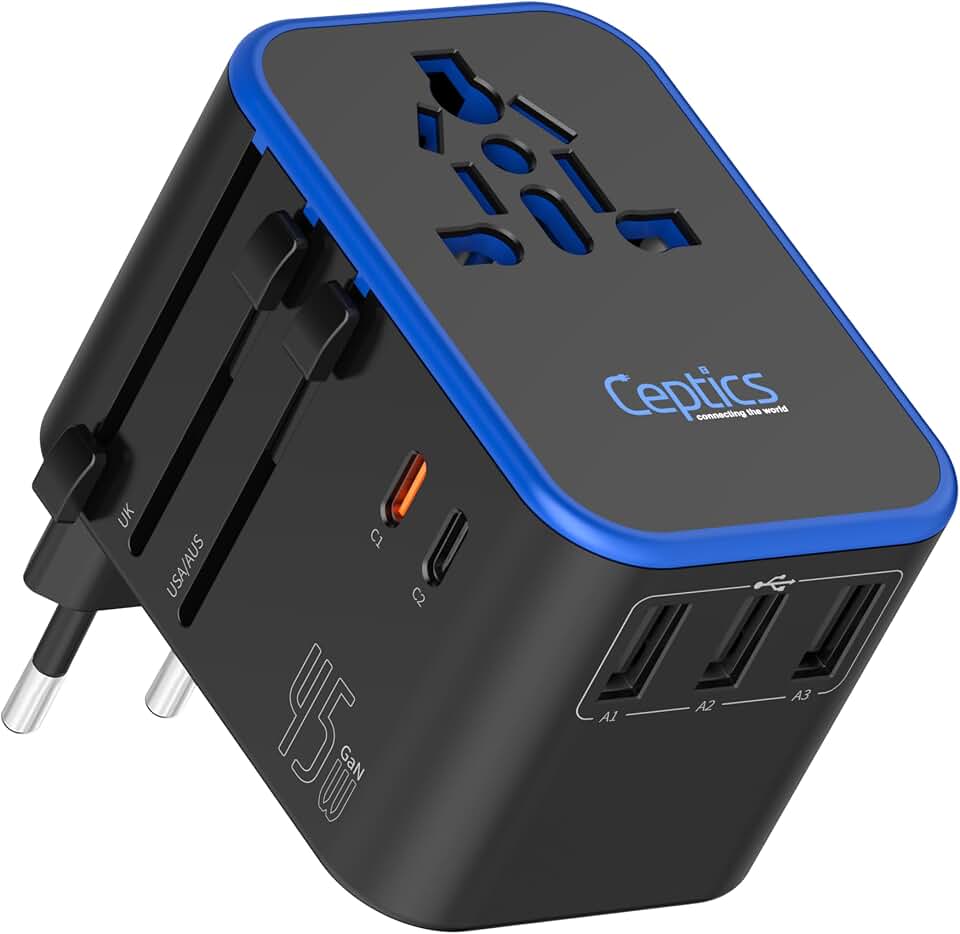
Having the right gear can make living on a digital nomad visa much smoother. Reliable internet is non-negotiable, so investing in a portable hotspot ensures you stay connected even in areas with spotty coverage. An ergonomic laptop stand helps maintain good posture during long work sessions, while noise-canceling headphones are essential for focusing in busy cafes or co-working spaces.
Inspect the expensive parts
Before you commit to a digital nomad visa, audit the costs that actually break budgets. Most applicants focus on the visa fee, but the real financial risks hide in housing deposits, mandatory health insurance, and proof-of-funds requirements. A small oversight here can cost thousands in non-refundable payments or force an early departure.
We’ve broken down the high-stakes inspection points for 2026’s top destinations. Use this checklist to verify your readiness before spending a dime.
Many countries require you to show 3–6 months of living expenses in a bank statement. Croatia, for example, recently adjusted its thresholds. Ensure your account balance meets the exact requirement before applying, as underfunded applications are rejected instantly.
Public healthcare is rarely available to nomad visa holders. You must purchase private international insurance. Compare policies carefully; some visas require coverage that includes evacuation, which can double the annual premium. Factor this into your total cost of living from day one.
Landlords in popular nomad hubs often demand 3–6 months of rent upfront. This is separate from the visa application. Research local rental norms to avoid being caught off guard by large initial cash outlays that aren’t refundable if your visa is delayed.

Initial visa fees are just the start. Some countries charge significant renewal fees every 6 or 12 months. Calculate the total cost for a two-year stay, not just the first year, to understand the long-term financial commitment.
Essential Gear for Visa Applications
-
Portable Document Scanner
Scan all originals on the first day. Avoid losing physical copies in transit. -
Encrypted USB Drive
Store digital copies of your passport, bank statements, and police clearance securely. -
Notarized Translation Kit
Some countries require certified translations. Have a list of approved translators ready.
Plan for ownership costs
A low purchase price rarely reflects the true cost of owning a property abroad. When you buy in popular digital nomad hubs, you are often paying a premium for location, but the ongoing expenses can vary wildly depending on local infrastructure and regulations. What looks like a bargain on a listing site can quickly become expensive once you factor in maintenance, utilities, and hidden fees.
Maintenance surprises are the most common budget breaker for remote workers. In many European and Asian destinations, older buildings require frequent upkeep due to humidity, seismic activity, or aging plumbing. A simple leak or a broken air conditioning unit can cost hundreds of dollars to fix if you cannot find a reliable local technician. Always budget for a 1-2% annual maintenance reserve on top of your mortgage or rent.
Utilities and services also carry hidden costs. In some countries, electricity rates are significantly higher than in the US or Northern Europe, and internet reliability may require a backup solution. If you rely on a co-working space or need a generator for power outages, these are recurring costs that add up. A cheap buy stops being cheap when these operational expenses eat into your savings.


As an Amazon Associate, we may earn from qualifying purchases.
Before committing to a property, get quotes for local repair services and check average utility bills for similar homes. This due diligence prevents unpleasant financial surprises and ensures your remote work lifestyle remains affordable.
No comments yet. Be the first to share your thoughts!