
Visa-free travel 2026: How we chose the top 10
Navigating entry rules can feel like decoding a shifting map, but the 2026 landscape offers more flexibility than recent years. We focused on destinations where American passport holders can enter without a traditional visa sticker, relying instead on electronic authorizations, visa waivers, or unconditional visa-free access.
Our selection process prioritized practical access over mere proximity. We filtered for countries with straightforward entry requirements, such as the Visa Waiver Program (VWP) for the U.S. or extended visa-free policies like China’s temporary waiver through December 2026. Each destination on this list was chosen because it allows immediate planning without lengthy consular appointments, balancing ease of entry with distinct travel value.
10 2026 Visa-Free Travel: The New Global Access Map & Top 10 Destinations for American Passports
The 2026 visa-free map has shifted, granting American passport holders expanded access to key markets while tightening entry rules elsewhere. This section breaks down the 10 top destinations where you can travel without a visa, highlighting specific entry requirements and tradeoffs to help you plan your itinerary.
1. Portugal's Schengen 90-day limit changes
The Schengen Area’s rolling 90-day limit is strictly enforced, meaning a 180-day window resets continuously. For American travelers visiting Portugal, this rule applies across all 27 member states combined, not individually. Plan your itinerary to ensure you don’t exceed the allowance in any half-year period, as overstays can result in fines or entry bans. Always track your days meticulously.

2. Japan's extended visa-free stay rules
Japan now allows U.S. passport holders up to 90 days of visa-free stay for tourism and business. This generous window eliminates the need for pre-travel visa applications, simplifying spontaneous trips. Ensure your passport remains valid for the entire duration of your stay. This policy supports short-term cultural immersion and business meetings without bureaucratic hurdles.

3. South Korea's K-ETA waiver updates
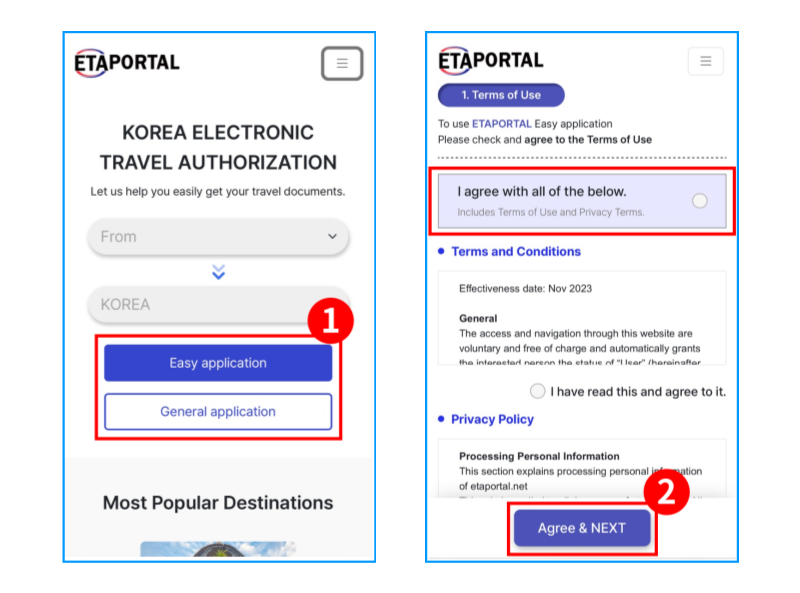
South Korea requires the K-ETA (Korea Electronic Travel Authorization) for visa-free entry, though waivers may apply for specific transit scenarios. U.S. citizens must apply online before departure, with approval typically arriving within 24 hours. This digital pre-screening streamlines border control. Verify current waiver eligibility on the official K-ETA website to avoid last-minute travel disruptions.
4. Thailand's new visa exemption categories
Thailand has expanded its visa exemption list, allowing U.S. citizens to stay for 30 days without a visa for tourism. This exemption covers most short-term visits but excludes paid work. Ensure your passport has at least six months of validity remaining. For longer stays, consider applying for a Tourist Visa beforehand to avoid exit-entry visa runs.

5. Malaysia's digital arrival card requirements
Malaysia mandates the Malaysia Digital Arrival Card (MDAC) for all foreign arrivals, including U.S. citizens. This digital form must be submitted at least three days before entry. It collects health and customs information, replacing paper forms. Failure to submit it may delay your arrival. Keep a digital copy accessible during your trip for verification.

6. Singapore's biometric entry procedures
Singapore’s Automated Border Clearance (ABC) gates streamline arrival for U.S. passport holders, but first-time visitors must complete biometric registration. This process captures fingerprints and a facial image at designated kiosks. Ensure your passport is valid for at least six months beyond your stay. The system significantly reduces queue times at Changi Airport, making it a efficient start to your Southeast Asian journey.

7. Brazil's tourist visa suspension details
Brazil currently suspends tourist visa requirements for U.S. citizens, allowing stays up to 90 days. This policy simplifies travel to Rio and the Amazon, though you must still present a valid passport and proof of onward travel. Always verify the latest entry requirements before booking, as visa policies can shift rapidly. This suspension makes Brazil a highly accessible destination for spontaneous American travelers in 2026.

8. Argentina's electronic travel authorization
Argentina’s Electronic Travel Authorization (AVE) system streamlines entry for eligible travelers, though U.S. citizens currently enjoy visa-free access. Understanding the digital pre-registration options ensures a smooth arrival in Buenos Aires. Keep digital copies of your travel insurance and accommodation details handy. This digital-first approach reflects Argentina’s push toward efficient, technology-driven border management for international tourists visiting in 2026.

9. Chile's automated border control system
Chile’s advanced automated border control system expedites entry for U.S. passport holders arriving at Santiago International Airport. The system uses facial recognition to verify identity against your passport chip. Ensure your passport is electronically readable to avoid manual processing delays. This seamless integration of technology highlights Chile’s commitment to efficient tourism infrastructure, making border crossings quick and hassle-free for American visitors.

10. Mexico's tourist card validity extensions
Mexico’s FMM tourist card typically allows a 180-day stay, but extensions are possible through local immigration offices. U.S. citizens should keep their FMM receipt safe, as it is required for departure. Plan ahead if you intend to stay longer than the initial grant, as processing times vary. Understanding these validity rules helps avoid overstay fines and ensures a compliant, stress-free Mexican vacation for American travelers.

How to Choose the Right Visa-Free Destination
Selecting a visa-free country for 2026 requires looking beyond the passport stamp. While the Visa Waiver Program (VWP) and reciprocal agreements open doors, your best match depends on your travel style, budget, and how long you plan to stay.
1. Check the Entry Window Visa-free access rarely means unlimited time. Most VWP countries allow 90 days, but destinations like China’s extended 2026 policy offer only 30 days. If you plan to stay longer, you’ll need a different visa category.
2. Verify the Visa-Free Countries List Rules change frequently. Always check the latest list of visa-free countries for your specific passport before booking. For U.S. citizens, this includes most of Europe, but excludes certain nations entirely.
3. Compare Costs and Logistics Visa-free travel saves on application fees and processing time. Use this saved budget to upgrade your accommodation or activities. Compare flight prices to these destinations to maximize your value.
Visit the official State Department or embassy website to confirm your citizenship qualifies for visa-free entry. Check for any new 2026 restrictions or health requirements.

Note the maximum stay allowed. Is it 30, 90, or 180 days? Ensure your itinerary fits within this window to avoid overstaying and future bans.

Even without a visa, you may need an approved electronic travel authorization (like ESTA or ETIAS), proof of onward travel, and sufficient funds. Gather these before you fly.


As an Amazon Associate, we may earn from qualifying purchases.
| Factor | Pros | Cons |
|---|---|---|
| 90-Day VWP | Long stays, no visa fee | Strict return ticket rules |
| 30-Day China | New 2026 extension | Short window, complex entry |
| ETIAS Europe | Easy online approval | Small fee, processing delay |
No comments yet. Be the first to share your thoughts!