
Why 2026 Feels Different
The post-pandemic rush is over. In its place, a more deliberate form of travel has taken hold, driven by technology that makes planning effortless and a desire for experiences that actually stick. We have moved past the era of simply checking off destinations; the focus now shifts to how those trips are built and what they deliver. Revenue in the Travel & Tourism market is projected to reach US$1.07tn in 2026, reflecting a sector that is stabilizing into a new, more intentional rhythm Statista.
This shift is visible in how people book and spend. Longer trips are the top upgrade for travelers this year, with 40% of people extending their stays rather than just upgrading their seats. The priority is no longer just getting somewhere; it is about staying there long enough to engage with the local context, whether that means upgrading lodging locations or curating standout experiences American Express.
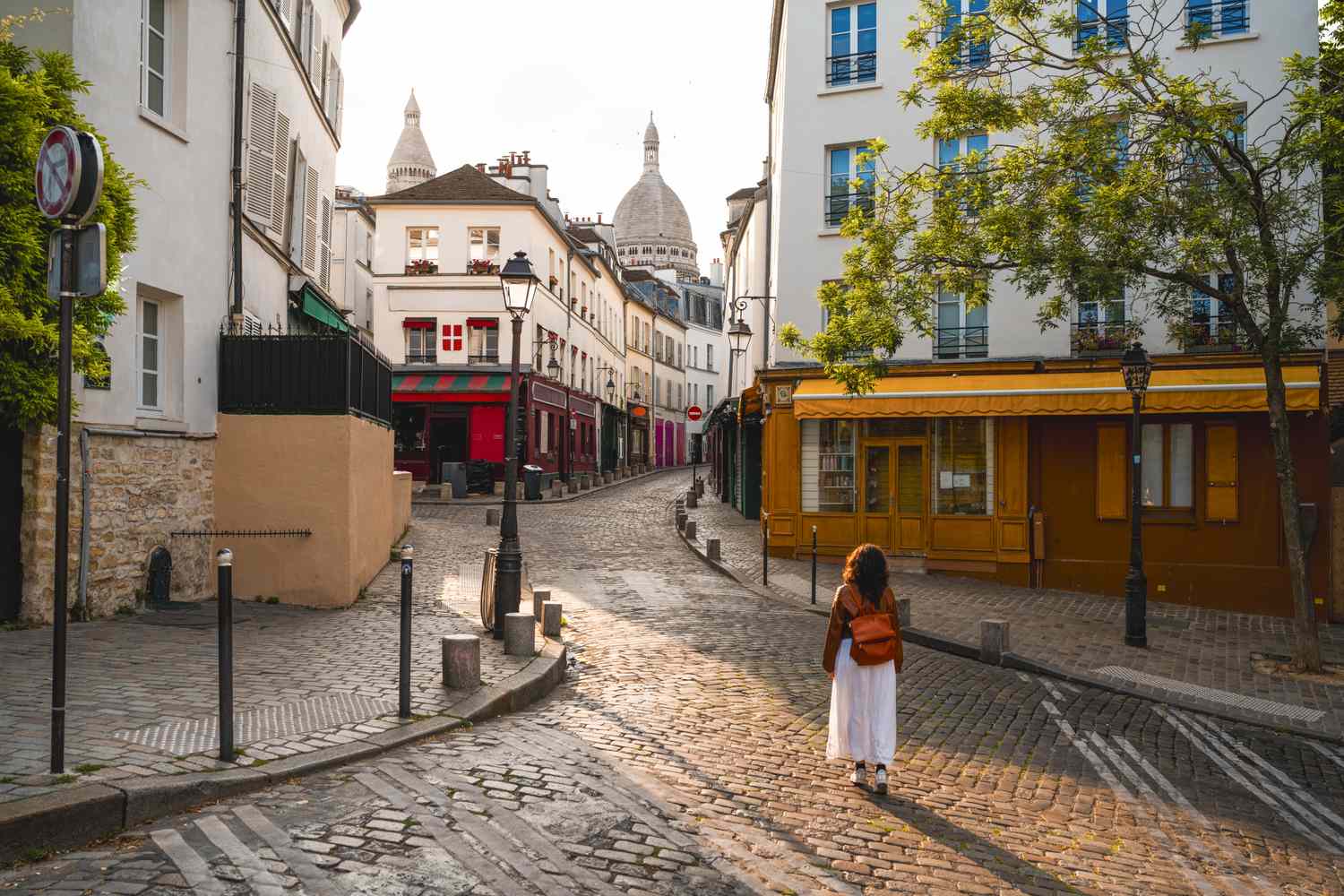
Technology enables this slowness. Apps now handle complex itineraries, language barriers, and local transit with a single tap, removing the friction that once forced travelers to rush. The result is a market where the value of a trip is measured in depth rather than distance. As we look at the top destinations for 2026, the common thread is not just where you go, but the time you allow yourself to be there.
Digital passports and border rules
The way you cross borders is shifting from paper stamps to digital verification. By 2026, the European Union’s Entry/Exit System (EES) and the European Travel Information and Authorisation System (ETIAS) are fully operational for most travelers. These systems digitize border checks, reducing wait times for short-stay visitors while increasing data collection for security purposes. If you are traveling to Europe, expect a more streamlined but data-heavy entry process.
For those traveling to Asia, digital identity interoperability is expanding. Countries like Singapore, Japan, and South Korea are piloting linked digital identity frameworks that allow pre-verified travelers to use automated gates. This means less time standing in line at immigration and more time on the ground. However, these systems often require specific apps or biometric registration before you arrive.
The practical impact is a split experience: automated lanes for pre-registered digital natives and traditional counters for others. To navigate this, ensure your passport has at least six months of validity remaining, as many countries still enforce this rule strictly. Check the specific visa-free agreements for your nationality, as these are changing rapidly. A visa-free status for one country does not guarantee entry to another, even within the same region.
Top destinations for 2026
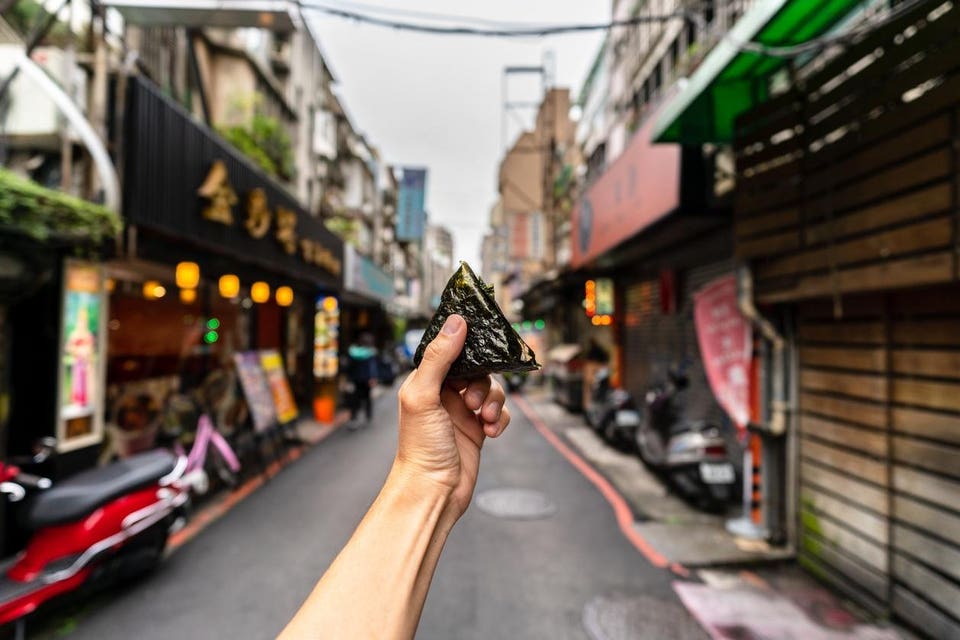
The travel landscape in 2026 is defined by a shift toward slower, more intentional movement. Travelers are moving away from crowded hotspots in favor of destinations that offer deep cultural immersion, whether through rail networks or ancestral connections. This section highlights specific locations that align with the year’s dominant trends: luxury rail travel and ancestry tourism.
Japan’s Hokkaido and Rail Networks
Japan continues to be a prime destination for rail enthusiasts, but 2026 travelers are looking beyond Tokyo. Hokkaido offers a stark, beautiful contrast with its extensive regional rail lines and luxury sleeper services like the Twilight Express Mizukaze. The region’s infrastructure supports slow travel, allowing visitors to traverse the island’s northern landscapes without the stress of constant transfers. Spring and early autumn provide the best conditions, with mild temperatures ideal for exploring hot springs and rural villages. Costs are moderate, though premium rail passes require booking months in advance due to limited seating.
Ireland’s Ancestry Trails
Ancestry tourism is gaining momentum as travelers seek to connect with their heritage. Ireland remains a top choice for this trend, with established heritage trails in counties like Kerry, Clare, and Galway. These routes are designed to guide visitors through historical sites, local archives, and community-led tours that provide context for family histories. The best time to visit is late spring to early fall, when daylight hours are long and rural attractions are fully operational. While some heritage centers charge fees, many local guides offer affordable, personalized insights that enrich the journey.
Portugal’s Interior Villages
For those seeking to avoid the crowds of Lisbon and Porto, Portugal’s interior offers a compelling alternative. The Alentejo and Beira regions are seeing a rise in slow-travel infrastructure, including restored rural hotels and scenic train routes. These areas provide a quieter, more authentic experience of Portuguese culture, with a focus on local cuisine and historical villages. Travelers should plan for a flexible itinerary, as public transport in rural areas can be sparse. The best months to visit are April to June and September to October, avoiding the peak summer heat and tourist surge.

Packing for the new normal
The way we travel is shifting from heavy luggage to lean, modular kits. In 2026, the priority isn't just what fits in a bag, but what keeps you connected and comfortable across multi-modal trips. Packing light means packing smart, focusing on gear that serves multiple purposes and adapts to local infrastructures.
Tech essentials for seamless transitions
Your phone is no longer just a camera; it's your boarding pass, wallet, and guide. Ensure you have a high-capacity power bank and a universal adapter with USB-C fast charging. Many airports and cafes now offer wireless charging, but having a physical backup prevents dead batteries during long layovers. Consider a compact e-reader or tablet to replace heavy guidebooks, keeping your load light while retaining access to offline maps and translations.
Sustainable gear that lasts
Travelers are increasingly choosing durable, eco-friendly items that reduce waste. Bring a collapsible water bottle to refill at safe stations, avoiding single-use plastics. Pack reusable utensils and a lightweight tote bag for market visits. These small choices reduce your environmental footprint and often save money, as many cities now charge for bags or refuse plastic bags. Choosing quality over quantity means your gear lasts for years, not just one trip.
What to leave behind
Avoid overpacking for "just in case" scenarios. Most destinations have access to basic supplies, from laundry services to toiletries. Leave behind bulky hair tools and excessive clothing. Instead, opt for versatile, quick-dry fabrics that can be layered. This approach frees up space for souvenirs and reduces the physical strain of carrying heavy bags through crowded stations or cobblestone streets.
No comments yet. Be the first to share your thoughts!