

Why 2026 changes border rules
The landscape of international travel is shifting away from traditional tourism toward infrastructure that supports remote work. In 2026, the primary barrier to entry for digital nomads is no longer just the cost of a visa, but the availability of visa-free access itself. Governments are increasingly recognizing that remote workers contribute to local economies without straining social services, leading to a wave of policy updates designed to attract long-term visitors.
A major driver of this change is the extension of unilateral visa-free policies. Countries like China have announced the extension of visa-free entry for citizens of 45 nations through December 31, 2026, signaling a strategic move to boost inbound traffic from key markets [[src-serp-2]]. Similarly, holders of a United States passport can now travel to 179 countries and territories without a prior visa or with a visa on arrival as of 2026, significantly expanding the horizon for remote workers based in North America [[src-serp-7]].
These changes are not isolated incidents but part of a broader bilateral agreement trend. Nations are negotiating mutual ease of movement to foster economic ties, often targeting high-income professionals who spend their earnings locally. For remote workers, this means that the "visa-free" label is becoming a more reliable and longer-lasting benefit than in previous years.
This shift allows for more spontaneous planning and reduces the administrative burden of securing work permits for short-to-medium term stays. As more countries adopt these policies, the distinction between a tourist and a remote worker becomes less about legal status and more about economic impact, creating a more open environment for location-independent professionals.
15 Destinations for Remote Workers
The 2026 visa-free landscape shifts significantly for remote workers, with new digital nomad visas and extended stay permits opening doors to 15 key destinations. This section details the specific policy changes, entry requirements, and local infrastructure updates that define each location for long-term stays.
-

Thailand Elite Visa for long-term stays
Thailand’s Elite Visa offers a straightforward path for remote workers seeking stability without the bureaucratic hurdles of traditional work permits. This membership-based scheme allows stays of five to twenty years, providing a reliable base for managing international clients. While it requires a significant upfront investment, the convenience of exempting visa runs makes it ideal for those prioritizing seamless logistics over low-cost entry options in Southeast Asia. -
Japan’s designated activity visa for remote work
Japan recently introduced a specific "Designated Activity" status allowing foreign remote workers to reside for up to six months. This targeted visa addresses the growing demand for digital professionals to experience Japan’s infrastructure while working for overseas employers. Applicants must demonstrate sufficient income and health insurance, marking a cautious but significant step toward opening Japan’s borders to the global remote workforce without impacting local labor markets. -

South Korea’s digital nomad visa program
South Korea’s digital nomad visa provides a nine-month stay for freelancers and remote employees from eligible countries. The program requires proof of annual income and comprehensive health insurance, ensuring visitors contribute economically without competing for local jobs. This initiative aims to boost tourism and showcase Korea’s high-speed internet infrastructure, offering a unique blend of advanced urban living and cultural immersion for tech-savvy professionals seeking a structured Asian experience. -
Malaysia’s DE Rantau digital nomad pass
Malaysia’s DE Rantau pass caters specifically to digital nomads, offering one to twelve-month validity for remote workers and freelancers. Applicants must prove a monthly income threshold and secure local health insurance, ensuring financial self-sufficiency during their stay. This program leverages Malaysia’s affordable cost of living and robust digital infrastructure, positioning the country as a competitive hub for professionals seeking a balanced lifestyle with easy access to regional travel destinations. -

Indonesia’s Bali visa exemption for remote workers
Indonesia’s evolving visa landscape in Bali offers remote workers various exemptions and short-term passes to plan around the island’s popularity. While visa-free entry remains available for many nationalities, understanding the specific duration limits and extension options is crucial for long-term stays. Remote professionals should verify current regulations regarding overstay penalties and digital work legality, ensuring compliance while enjoying Bali’s renowned co-working spaces and tropical environment in 2026. -

Georgia’s one-year visa-free residence permit
Georgia allows citizens of 98 countries to enter visa-free and apply for a temporary residence permit valid for one year, renewable annually. This streamlined process requires proof of income, health insurance, and accommodation, making it a low-friction option for remote workers seeking long-term stability without the bureaucratic weight of traditional work visas. -
Armenia’s simplified entry for digital professionals
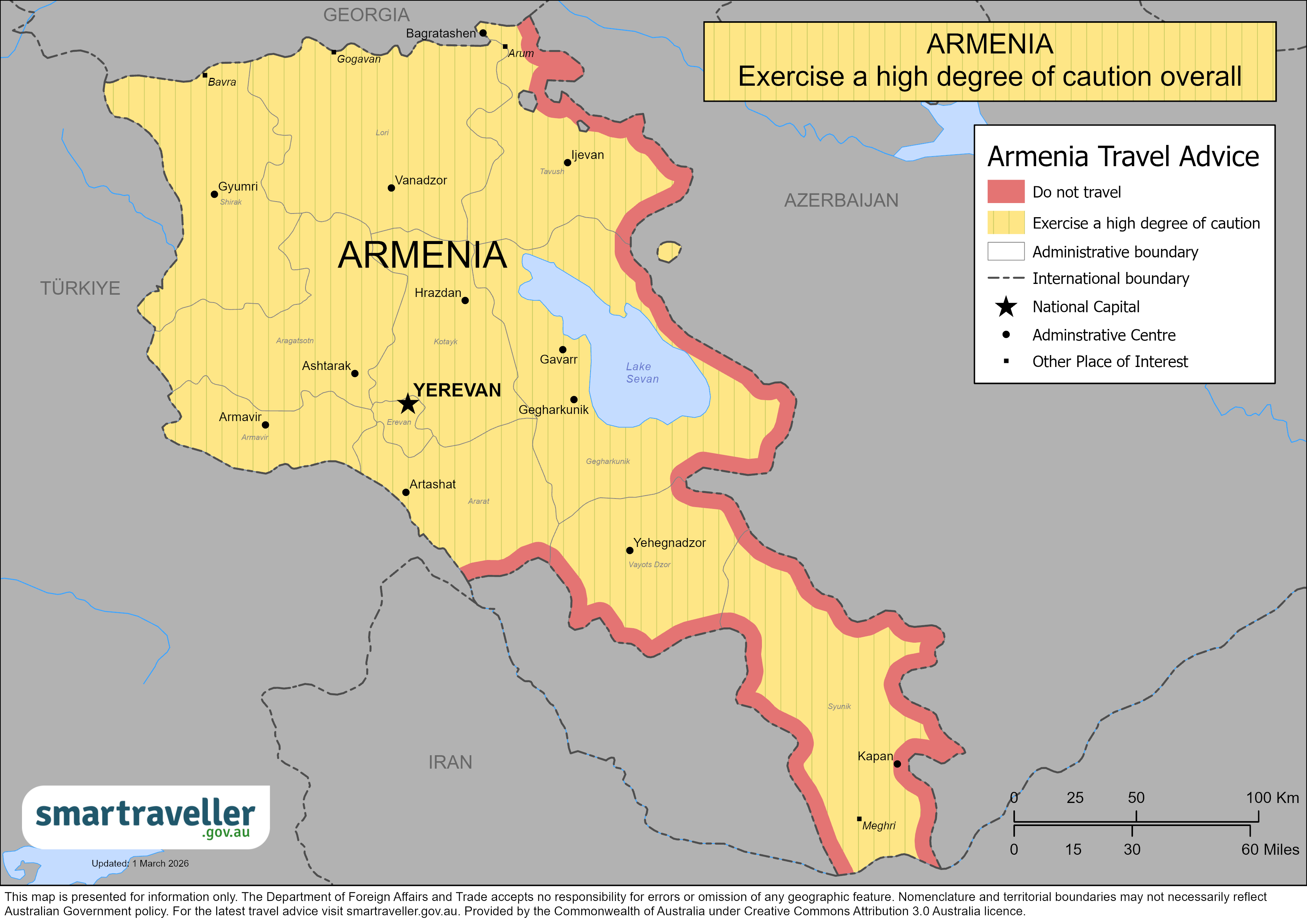
Armenia has introduced a dedicated digital nomad visa that simplifies entry for remote workers, offering a legal framework for stays up to one year. The application requires proof of remote employment and minimum income thresholds, providing a secure base in the Caucasus region with reliable internet infrastructure and a growing tech community for those working remotely from Yerevan. -
Mauritius Premium Visa for remote employees
The Mauritius Premium Visa targets high-income remote workers and entrepreneurs, granting a one-year residency with the possibility of renewal. Applicants must demonstrate a minimum monthly income and possess comprehensive health insurance. This program positions Mauritius as a luxury destination for digital professionals seeking a tropical lifestyle combined with robust legal protections and high-quality living standards. -

Nepal’s visa-on-arrival for Indian citizens
Indian citizens benefit from visa-free entry into Nepal, allowing immediate travel for remote work without prior administrative hurdles. While not a formal nomad visa, this open border policy facilitates flexible stays. Workers should ensure they have reliable satellite or local internet solutions, as infrastructure varies significantly between Kathmandu and remote trekking regions, requiring adaptable work setups. -

Bhutan’s sustainable tourism fee structure
Bhutan’s Sustainable Development Fee (SDF) applies to most international visitors, including remote workers, ensuring tourism funds conservation and community development. The daily fee has been adjusted in 2026 to balance economic benefits with environmental preservation. Remote workers must budget for this cost, which supports the country’s unique cultural preservation and high-value, low-impact tourism model. -
uae’s remote work visa extension
The United Arab Emirates now offers a streamlined one-year renewable visa for remote professionals, requiring a minimum monthly income of $5,000. This policy allows holders to live in Dubai or Abu Dhabi while working for overseas employers. The extension simplifies residency for tech and creative workers, providing a stable base in the Gulf without the need for local sponsorship or traditional employment contracts. -
estonia’s e-residency digital nomad program
Estonia’s e-Residency program grants digital access to its business infrastructure, allowing remote workers to establish and manage EU-based companies online. While not a physical residence permit, it complements the digital nomad visa by offering seamless banking and tax administration. This digital identity is ideal for freelancers seeking an EU foothold without immediate physical relocation, streamlining cross-border business operations. -
costa rica’s rentista visa for remote income
Costa Rica’s Rentista visa targets remote workers with a stable passive income of at least $3,000 monthly or a $60,000 bank deposit. This pathway offers residency for those who do not fit traditional employment categories, appealing to retirees and investors. The program requires proof of funds and a clean criminal record, providing a secure long-term stay in Central America’s eco-tourism hub. -
portugal’s d8 digital nomad visa
Portugal’s D8 visa enables non-EU citizens to reside in the country while working remotely for foreign companies. Applicants must demonstrate a monthly income of at least €3,280 and provide proof of accommodation. This visa offers a gateway to the Schengen Area, allowing travel across Europe. It is particularly attractive for those seeking a high quality of life with access to Portugal’s vibrant coastal cities and historic towns. -

spain’s new digital nomad visa rules
Spain’s new digital nomad visa allows remote workers to live in the country for up to five years with tax benefits under the Beckham Law. Applicants need a remote job contract and a minimum monthly income of €2,600. The rule simplifies residency for tech and creative professionals, offering a pathway to permanent residence. This policy positions Spain as a top European destination for location-independent workers seeking cultural richness and legal stability.
China extends visa-free access
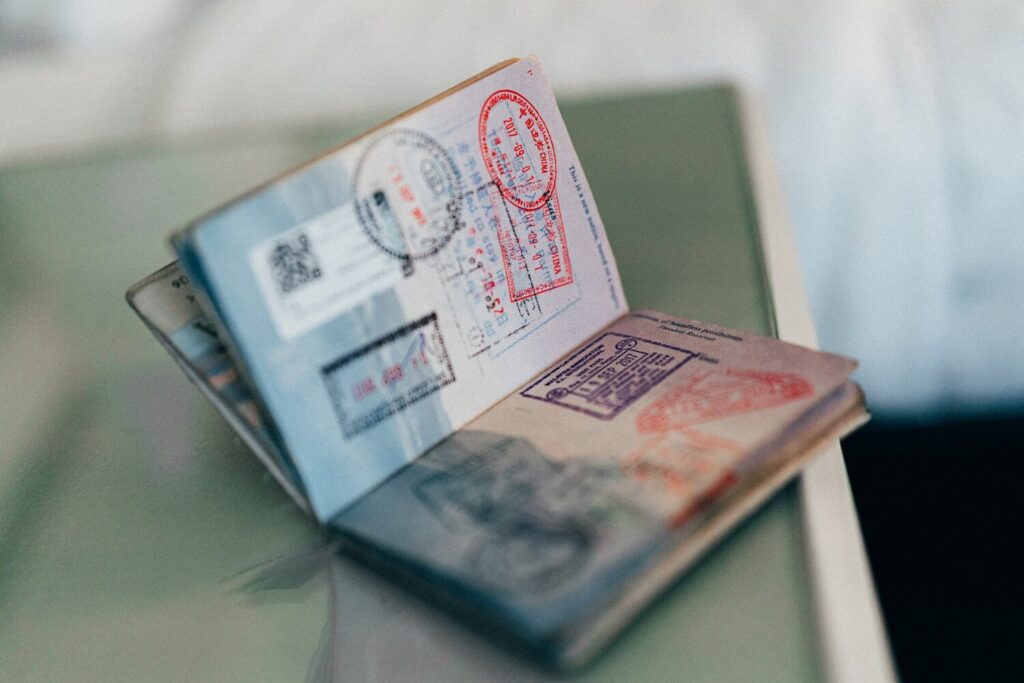
China has extended its unilateral visa-free entry policy for citizens of 45 countries until December 31, 2026. This extension, confirmed by China Briefing, removes the immediate need for visas for travelers from major European markets including Germany, France, Italy, Spain, and Switzerland, as well as Malaysia and Singapore. For remote workers planning Asian itineraries in 2026, this policy significantly lowers the friction for short-term stays and business exploration.
The policy covers ordinary passport holders for stays up to 15 days in most cases, though some countries like Malaysia and Singapore enjoy 30-day visa-free entry. This makes China a viable option for digital nomads looking to combine work with travel in Asia without navigating complex visa applications. The extension signals China's ongoing effort to boost tourism and business engagement.
US visa waiver program updates
The Visa Waiver Program (VWP) remains a primary entry route for remote workers from participating nations, allowing stays of up to 90 days for tourism or business purposes. Administered by the Department of Homeland Security in consultation with the State Department, this program currently covers citizens of 41 countries.
While the core 90-day limit for visa-free entry has not changed for 2026, travelers must ensure their Electronic System for Travel Authorization (ESTA) is approved before departure. The program is designed for short-term visits, so remote workers planning longer stints should verify if their specific nationality or purpose of stay requires a different visa category.
For a complete and authoritative list of participating countries and current entry requirements, refer to the official US State Department Visa Waiver Program page.
How the Schengen 90-day rule works
The Schengen Area allows visa-exempt travelers, such as US passport holders, to enter 29 European countries without a visa. This convenience comes with a strict limit: you can stay for 90 days within any rolling 180-day period. This rule applies to tourism, business meetings, and short-term remote work assignments.
For remote workers, this constraint is critical. You cannot simply extend your stay by leaving and re-entering; the 180-day window rolls continuously. If you spend 90 days in France, you must leave the entire Schengen Zone for the next 90 days before you can return. Planning your itinerary around this cycle is essential to avoid overstaying and facing entry bans.
While the Schengen rules are uniform, individual countries may have different requirements for long-term digital nomad visas. If you plan to work in Europe for more than three months, look into national visas from countries like Spain, Germany, or Croatia, which offer legal pathways for longer remote work stays.
Essential gear for 2026 travel
Reliable connectivity is the backbone of any remote work trip, especially when navigating the shifting visa-free policies of 2026. A dedicated travel router bridges the gap between unstable hotel Wi-Fi and the high-bandwidth demands of video calls. Look for compact devices with strong antenna arrays that can lock onto 5G or 4G networks in rural or international locations where standard adapters fail.
Comfort matters just as much as connection when you are spending long hours in transit or co-working spaces. Noise-canceling headphones with transparency mode allow you to focus in busy airports while still hearing boarding announcements. Pair this with a universal power adapter that supports high-wattage charging to keep your laptop and devices running without hunting for compatible outlets.
AmazonProductGrid is a commerce widget that displays a grid of products based on a search query. It is used to showcase relevant items to the reader.


As an Amazon Associate, we may earn from qualifying purchases.
No comments yet. Be the first to share your thoughts!