
Find your visa-free destinations
Start by checking how many countries your passport opens up. The number of visa-free countries varies significantly depending on where you were issued. A US passport, for example, grants access to 188 destinations without a prior visa application, while other passports may offer fewer options. This baseline determines the scope of your travel planning and helps you prioritize destinations.
To get an accurate count, use a passport index tool or check the official government travel site for your country. These resources update frequently as diplomatic agreements change. For instance, Italy remains visa-free for US citizens for up to 90 days, but travelers should note that ETIAS requirements will begin in 2026, effectively adding a pre-travel authorization step even if a visa isn't required. Always verify the latest entry rules for your specific nationality before booking flights.
Once you have your list, compare the top options side-by-side. This helps you see at a glance which regions offer the most flexibility. The table below illustrates the difference in visa-free access for four major passport holders, highlighting why knowing your specific rights is the first step in any trip.
| Passport | Visa-Free Score | Schengen Access | Key Asian Visas |
|---|---|---|---|
| United States | 188 | 90 days | Japan (90), South Korea (90) |
| United Kingdom | 187 | 90 days | Japan (90), Singapore (30) |
| European Union | 189 | N/A (Member) | Japan (90), Singapore (30) |
| Canada | 185 | 90 days | Japan (90), South Korea (90) |
Check entry requirements for 2026
Visa-free travel does not mean no requirements. Even when you can enter a country without a traditional visa, you must still meet specific entry rules. These rules change frequently, especially with new electronic systems rolling out in 2026. Before you book a flight, verify the current entry conditions for your destination.
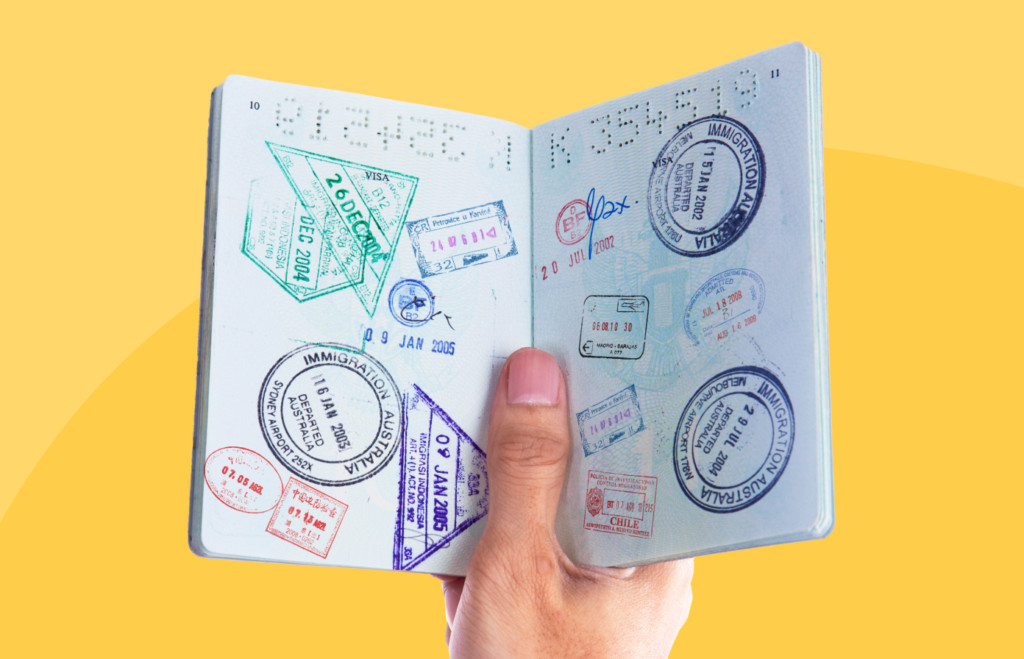
Most countries require your passport to be valid for at least six months beyond your planned departure date. Some, like the United States or Canada, may only require validity through your stay. Check the specific rule for your destination and nationality. A passport expiring soon is the most common reason for denied boarding.

Many visa-free destinations now require an electronic travel authorization (ETA) or visa waiver registration. The European Union is rolling out ETIAS for visa-exempt travelers in 2026. Similarly, the US Visa Waiver Program requires an approved ESTA before travel. These applications are online but can take time to process. Apply well before your trip.

Border agents often ask for proof of onward travel, such as a return or onward ticket. They may also request evidence of sufficient funds for your stay. Keep digital copies of your itinerary and hotel reservations handy. Having these documents ready speeds up the entry process and avoids questions at immigration.
Always check the official government travel website for your destination. Rules can change without notice, and relying on third-party blogs can lead to incorrect information. The US State Department and your home country’s foreign affairs ministry provide reliable, up-to-date entry requirements.
Prepare documents before departure
Start Visa-Free Countries with the constraint that matters most in real life: space, timing, budget, skill level, maintenance, or availability. That first constraint should shape the rest of the plan instead of appearing as an afterthought. Keep the first pass simple enough to verify. Compare the main options against the same criteria, remove choices that only work in ideal conditions, and save optional upgrades for later.
The simplest way to use this section is to write down the real constraint first, compare each option against it, and choose the path that still works outside ideal conditions.
Avoid common border entry mistakes
Visa-free access rarely means "no rules." Border agents hold the final authority on entry, and assumptions about automatic admission often lead to denied boarding or entry refusals. Travelers must treat visa-free status as a conditional privilege, not a guaranteed right.
The most frequent pitfall is misinterpreting the 90/180-day Schengen rule. Many visitors believe they can stay for three months and then leave for a day before resetting the clock. This is incorrect. The limit is calculated on a rolling basis: you cannot spend more than 90 days in any 180-day period across all Schengen countries. A simple calendar count will often put you in violation without you realizing it.
Another critical error is failing to prove "sufficient means of subsistence." Even if you do not need a visa, immigration officers can deny entry if you cannot demonstrate you have enough funds to cover your stay. Carry recent bank statements or proof of employment. Similarly, having no return ticket is a major red flag. Agents need to see evidence that you intend to leave before your authorized stay expires.
Documentation extends beyond visas. Always carry a copy of your travel insurance and accommodation bookings. While not always requested, these documents provide immediate proof of your itinerary and financial responsibility. Without them, you may face lengthy secondary inspections or outright refusal of entry, regardless of your visa-free status.
Verify rules with official sources
Visa policies shift frequently. Before you book flights or hotels for 2026, confirm the entry requirements directly with the destination’s government. Relying on third-party travel blogs or outdated forum posts often leads to denied boarding or entry refusals.
Start by identifying the official immigration website for your destination. Look for domains ending in .gov, .gob, or .go (e.g., travel.state.gov for US citizens or the relevant ministry for your nationality). For example, the US Visa Waiver Program details are officially managed by the Department of State. If you are a citizen of one of the designated countries, the official site lists the specific exemptions and electronic travel authorization requirements.
Cross-reference the duration of stay and passport validity rules. Some countries allow 90 days visa-free, while others require a passport valid for six months beyond your departure date. Check if an electronic authorization, such as ETIAS for Schengen countries or eTA for Canada, is required before you depart. These systems often go into effect in 2026, changing the "visa-free" status into a "pre-authorized" status.
Finally, contact the nearest embassy or consulate if the online information is ambiguous. Official consular staff can clarify edge cases, such as transit rules or specific document requirements for dual citizens. This final verification step ensures your 2026 travel plans proceed without unexpected bureaucratic hurdles.
No comments yet. Be the first to share your thoughts!