
10 Best 2026 Digital Nomad Visas: Tax Incentives and Fast-Track Entry
Navigating the 2026 digital nomad visa landscape requires strict adherence to evolving tax incentives and fast-track entry protocols. This analysis evaluates the top ten jurisdictions based on verified regulatory frameworks and official compliance standards to mitigate legal risk.
1. Spain: The new European hotspot
Spain’s Digital Nomad Visa offers a streamlined pathway for remote workers, featuring a 20% tax rate for the first four years under the Beckham Law framework. Applicants must prove remote work for non-Spanish entities and maintain a minimum monthly income threshold. This visa facilitates family reunification and provides a clear route to permanent residency, making it a premier choice for those seeking stability within the Schengen zone.

2. Portugal: Long-term residency path
Portugal continues to refine its D8 Digital Nomad Visa, emphasizing long-term stability and a potential pathway to citizenship. While the Golden Visa program has shifted focus, the D8 remains robust for remote employees and freelancers. Key requirements include a clean criminal record, health insurance, and proof of substantial recurring income. The process is well-documented, offering legal clarity for those prioritizing EU residency with established infrastructure.

3. Croatia: EU access with lower costs
Croatia’s Digital Nomad Visa provides EU access with a cost of living significantly lower than Western European counterparts. Valid for up to one year, renewable, it requires proof of remote employment and sufficient funds. The application process is handled through Croatian diplomatic missions, ensuring compliance with EU standards. This option appeals to nomads seeking a balanced lifestyle with reliable internet infrastructure and a growing expat community.

4. Italy: The digital nomad visa launch
Italy recently introduced a formal Digital Nomad Visa, targeting remote workers seeking to reside in the country for up to one year. This visa requires proof of remote work for non-Italian clients, a minimum income threshold, and comprehensive health insurance. The program aims to attract high-skilled professionals while maintaining strict regulatory oversight. Applicants must navigate a specific application process through Italian embassies, ensuring legal compliance.

5. Greece: Golden visa alternatives
Greece offers alternative residency options for digital nomads, particularly those seeking to bypass the rising real estate investment thresholds of the Golden Visa. The new visa categories focus on income verification and remote work contracts rather than property acquisition. Applicants must demonstrate stable financial means and secure accommodation. This approach provides a more accessible entry point for remote professionals, aligning with broader EU immigration strategies while maintaining fiscal responsibility.

6. Estonia: The e-Residency pioneer
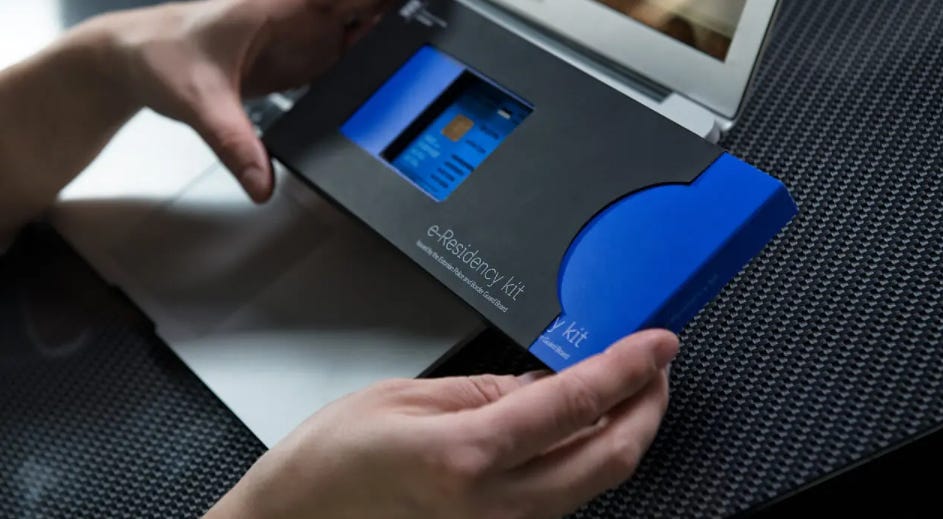
Estonia’s e-Residency offers a state-issued digital identity, enabling remote company formation and banking within the EU framework. While not a physical residence permit, it facilitates seamless business operations for nomads. This digital infrastructure simplifies administrative burdens, allowing entrepreneurs to manage entities from anywhere while maintaining compliance with Estonian corporate regulations.
7. Germany: The new flexible permit
Germany recently updated its residency laws to include a specific visa for freelance professionals and digital nomads, easing previous restrictions. This permit allows stays up to three years, contingent on proof of sufficient funds and health insurance. It represents a significant shift toward accommodating remote workers in the EU’s largest economy, provided applicants meet strict financial thresholds.

8. UAE: Zero tax and fast processing
The United Arab Emirates offers a two-year renewable residence visa for remote workers, featuring zero personal income tax. Processing is notably swift, often completed within weeks, making it ideal for those seeking fiscal efficiency. Applicants must demonstrate a minimum monthly income, ensuring financial stability while benefiting from the region’s robust digital infrastructure and strategic global location.

9. Costa Rica: The Americas favorite
Costa Rica’s Digital Nomad Visa grants two-year residency with the option to renew, catering to remote workers in the Americas. Applicants need proof of stable income from foreign sources and comprehensive health insurance. This program supports long-term stays without requiring local employment, offering a stable base in a country known for its high quality of life and established expat communities.

10. Malaysia: The DE Rantau program
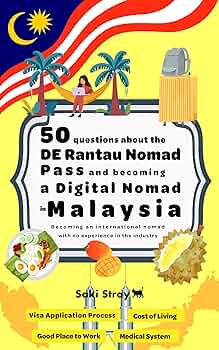
Malaysia’s DE Rantau Nomad Pass provides a 12-month stay for remote workers, with renewal options. It requires proof of employment or freelance income from outside Malaysia and access to local healthcare. This program aims to attract tech talent and digital professionals, offering a cost-effective entry point into Southeast Asia with reliable internet infrastructure and diverse cultural experiences.
How we picked the top 10 visas
Selecting the best digital nomad visas for 2026 requires moving beyond surface-level marketing. The landscape has shifted from novelty to regulation, with over 40 countries now offering remote work permits. Our selection prioritizes jurisdictions that offer genuine tax efficiency, streamlined processing speeds, and realistic income thresholds. We evaluated each visa against strict compliance criteria, focusing on official government immigration portals and primary legal sources to ensure accuracy.
Tax treatment is the primary differentiator. We distinguished between countries offering a 0% tax rate on foreign-sourced income and those providing specific tax holidays or exemptions. For high-stakes planning, understanding whether a visa grants tax residency or merely a right to reside is critical. We excluded options with ambiguous tax treaties or those that inadvertently trigger permanent establishment risks for remote contractors.
Processing speed and income requirements form the second pillar of our analysis. We prioritized visas that offer clear, documented timelines and transparent financial proof requirements. High-income thresholds often correlate with faster processing and more robust legal protections, but we also included accessible options for mid-tier earners where the regulatory framework remains stable. Each selected visa represents a balance of accessibility and legal security, ensuring that remote workers can plan their moves with confidence rather than guesswork.
Compare visa requirements side by side
Navigating the patchwork of 2026 digital nomad regulations requires precise comparison of income thresholds, validity periods, and tax treatments. The following table contrasts the core metrics for the top ten destinations, highlighting where compliance costs are lowest and entry is fastest. Use this data to filter candidates before reviewing detailed country profiles.
Compliance Note: Income requirements are subject to change based on local minimum wage adjustments. Always verify current figures with the respective embassy or immigration authority before applying.


As an Amazon Associate, we may earn from qualifying purchases.
Essential gear for remote work abroad
Legal compliance and tax incentives are only half the equation. Securing a digital nomad visa requires demonstrating stable income and professional reliability. Your hardware is the physical proof of that capability. A failed video call or an unstable connection can jeopardize client relationships and, in high-stakes corporate roles, your visa eligibility.
Invest in infrastructure that guarantees continuity. A high-performance laptop is non-negotiable for handling complex workloads while traveling. Noise-canceling headphones are equally critical, allowing you to maintain professional decorum in shared co-working spaces or transit hubs where background noise is unpredictable.
Reliability extends beyond the computer. A portable monitor expands your workflow without adding bulk, while a universal power adapter ensures you can charge devices anywhere in the world. These tools form the backbone of a mobile career, ensuring that your physical presence does not hinder your professional output.


As an Amazon Associate, we may earn from qualifying purchases.
Checklist for visa application
Securing a digital nomad visa requires meticulous preparation. Immigration authorities scrutinize applications for compliance with specific legal thresholds. Missing a single document can result in immediate rejection or a ban from reapplying for six months. Treat this process as a legal filing, not a casual travel booking.

Your passport must typically remain valid for at least six months beyond your intended entry date. Some jurisdictions require blank pages for stamps. Verify this requirement against the specific embassy guidelines for your target country, as policies tighten annually.
Most programs mandate a minimum monthly income, often ranging from $2,000 to $4,000. Provide recent bank statements (usually the last three to six months) and an employment contract or freelance invoices. Ensure documents are translated into the local language if required.

Domestic health coverage is rarely accepted. You must provide proof of international health insurance that covers medical emergencies, hospitalization, and repatriation for the entire duration of your stay. Policies must meet the minimum coverage limits set by the host country.

A police clearance certificate from your country of residence is standard. This document must be issued within the last three to six months and apostilled or notarized. Some countries require fingerprinting at local consulates.
Apply exclusively through the government’s official immigration portal or designated visa center. Avoid third-party agents who promise "guaranteed" approval. Keep digital and physical copies of every submission for your records.
No comments yet. Be the first to share your thoughts!