Why the 2026 digital nomad visa matters
The remote work visa landscape has shifted from a niche perk to a standard migration category. In 2026, over 40 countries offer specific digital nomad visas, a significant increase from just a handful in 2020 [[src-serp-1]]. This expansion reflects a broader recognition that location-independent workers contribute to local economies without straining social safety nets.
The primary driver of this growth is the pursuit of tax incentives and streamlined residency. Nations are no longer just competing for tourist spending; they are engineering legal frameworks to attract long-term residents who work for foreign entities. This shift moves the conversation beyond simple visa access to complex questions about tax residency, double taxation agreements, and social security contributions.\n For the remote worker, this means the "best" visa is no longer defined solely by ease of application. It requires evaluating how a country treats foreign income, the path to permanent residency, and the stability of the regulatory environment. The 2026 Digital Nomad Visa Index highlights that living costs and tax treatment are now as critical as visa approval rates [[src-serp-3]].
Understanding these nuances is essential before committing to a destination. The legal implications of staying in a country on a digital nomad visa can differ significantly from standard tourist stays, particularly regarding work authorization and tax obligations.
10 Best Countries for a 2026 Digital Nomad Visa
Navigating global mobility in 2026 requires precise compliance with evolving immigration statutes. This selection of the best countries for a 2026 digital nomad visa prioritizes jurisdictions with transparent, officially verified remote work frameworks.
1. Spain: The Non-Lucrative Tax Break
Spain’s digital nomad visa offers a favorable tax regime for remote workers, allowing eligible applicants to pay a flat 24% income tax rate on earnings up to €600,000 under the Beckham Law. This structure significantly reduces the fiscal burden compared to standard progressive rates, making Madrid and Barcelona attractive hubs for high-earning professionals seeking stability and European lifestyle benefits.

2. Portugal: The D8 Visa Renewal
Portugal’s D8 visa provides a clear pathway to residency, with renewals leading toward permanent residence after five years. Recent updates have streamlined the process for remote workers, emphasizing proof of stable remote income. Lisbon and Porto remain popular destinations, offering a blend of coastal living and robust digital infrastructure for long-term nomads.

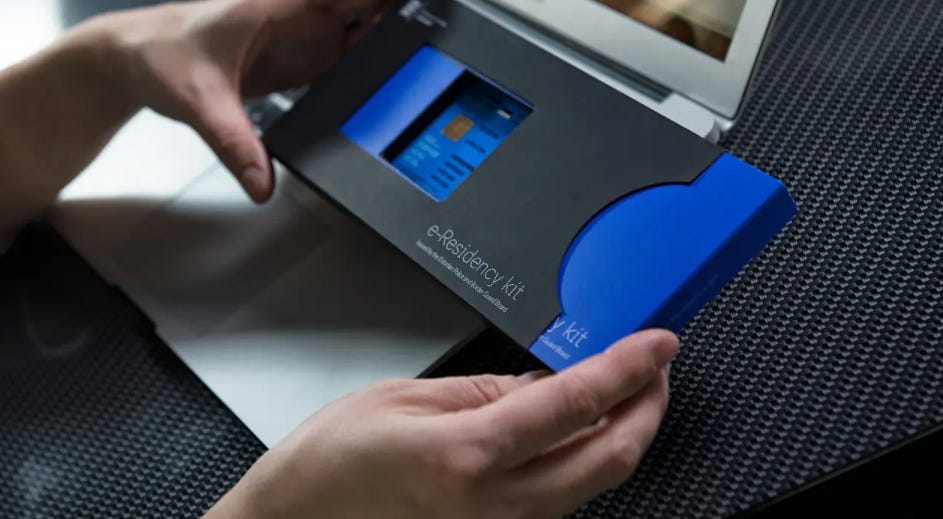
3. Estonia: The e-Residency Pioneer
Estonia’s e-Residency program allows global entrepreneurs to establish and manage an EU-based company digitally. While distinct from a physical visa, it offers unparalleled ease in banking, taxation, and administration. This digital-first approach is ideal for tech-savvy nomads who prioritize business efficiency and seamless access to European markets over physical relocation.
4. Germany: The New Freelance Route
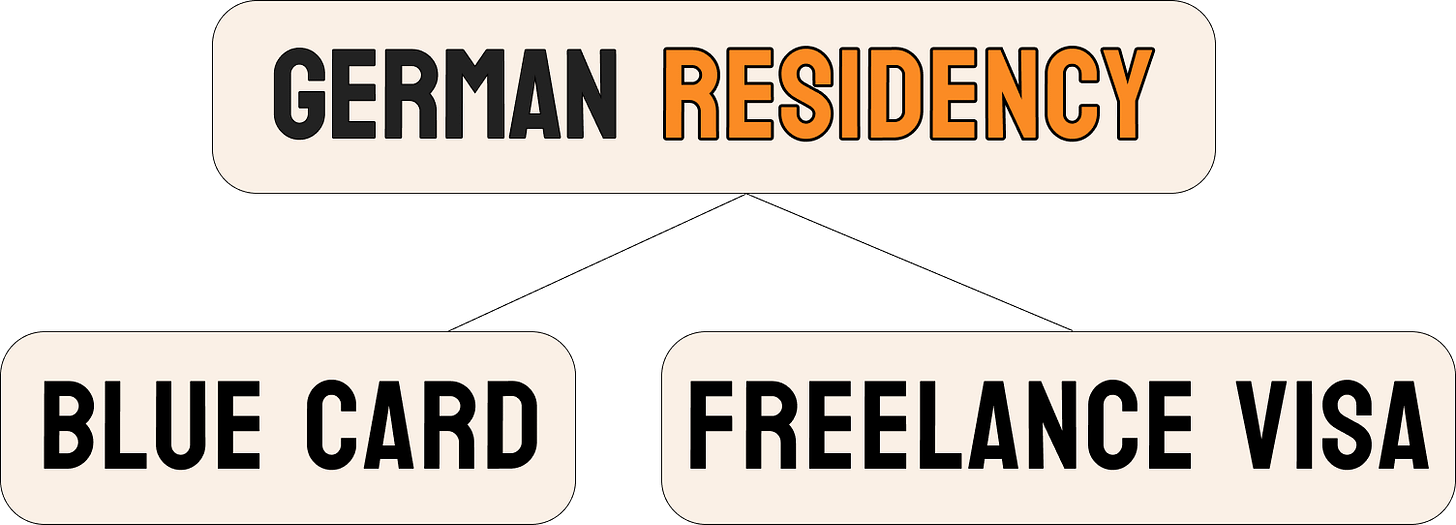
Germany’s updated freelance visa (Freiberufler) simplifies residency for self-employed tech and creative professionals. Authorities now recognize remote work more clearly, requiring proof of client contracts and sufficient funds. Berlin’s vibrant startup scene and excellent internet infrastructure make it a compelling choice for freelancers seeking a stable, high-quality European base with strong legal protections.
5. Italy: The Digital Nomad Visa Launch
Italy recently introduced a dedicated digital nomad visa, offering a one-year residency permit renewable for two additional years. This new policy aims to attract remote workers to cities like Rome, Milan, and Florence, combining rich cultural heritage with modern co-working spaces. Applicants must demonstrate sufficient income and health insurance, marking a significant step for Italy’s remote work landscape.

6. Greece: The 50% Tax Cut
Greece offers a 50% flat tax rate for new tax residents, a massive incentive for digital nomads earning above €50,000 annually. This fiscal advantage applies for five years, making Athens and its surrounding islands increasingly attractive for remote workers seeking Mediterranean lifestyle and significant savings on income tax liabilities.
7. Croatia: The EU Digital Nomad Hub
Croatia combines Schengen access with a streamlined digital nomad visa process, appealing to professionals who value EU mobility. The visa allows stays up to one year, renewable, with a relatively low income threshold compared to other Western European destinations, positioning it as a practical gateway for remote workers.

8. Malta: The High-Income Gateway
Malta provides a specific Nomad Residential Permit for those earning at least €2,700 monthly, offering access to a stable, English-speaking EU jurisdiction. The permit grants visa-free travel within the Schengen area, appealing to high-income earners who prioritize regulatory stability and connectivity over ultra-low living costs.
9. Costa Rica: The Latin American Favorite
Costa Rica’s Digital Nomad Visa requires proof of $3,000 monthly income, welcoming remote workers to a country known for its "pura vida" lifestyle. This Central American hub offers reliable internet infrastructure in major hubs like San José and Tamarindo, blending tropical living with professional productivity for long-term stays.

10. UAE: The Dubai Tax-Free Haven
The UAE’s new Virtual Working Program allows remote professionals to reside in Dubai with zero personal income tax, a powerful draw for high earners. With world-class infrastructure and a strategic time zone for global business, this Middle Eastern hub attracts executives and freelancers seeking luxury living without fiscal penalties.

Compare digital nomad visa income requirements
Choosing the right digital nomad visa often comes down to two hard numbers: how much you earn and how much you pay in taxes. While some countries offer low barriers to entry, others demand significant financial proof to ensure you won’t become a public burden. Below is a direct comparison of the top ten destinations for 2026, focusing on the minimum monthly income and tax implications that define your lifestyle.
| Country | Min. Monthly Income | Tax Rate | Duration | Renewable |
|---|---|---|---|---|
| Estonia | €2,328 | 20% flat | 1 year | Yes |
| Spain | €2,600 | 24-45% | 1 year | Up to 5 years |
| Portugal | €3,040 | 25% (NHR) | 1 year | Yes |
| Germany | €2,800 | Progressive | 1 year | Yes |
| Croatia | €1,500 | 12-25% | 1 year | Yes |
| Greece | €3,500 | 5% (first 5 yrs) | 2 years | Yes |
| Thailand | $800 | Varies | 1 year | Yes |
| Mexico | $2,400 | Progressive | 4 years | Yes |
| Costa Rica | $3,000 | Progressive | 1 year | Yes |
| Dubai | $5,000 | 0% | 1 year | Yes |
These requirements shift frequently as governments adjust their economic strategies. For instance, Greece recently lowered its tax rate for new residents to attract long-term stays, while Spain maintains stricter income thresholds but offers a clear path to residency. Always verify the latest figures on official government immigration sites before applying, as these numbers are subject to annual inflation adjustments.
Prepare your nomad application
Securing a digital nomad visa requires more than just a job offer; it demands airtight documentation. Embassies and immigration officers review these files to verify financial stability and legal compliance. Missing a single document can delay approval by months or lead to immediate rejection.
The following steps outline the standard application workflow for most top-tier destinations. Treat each item as a mandatory checkpoint. Gather these materials before you begin any online portal submission.
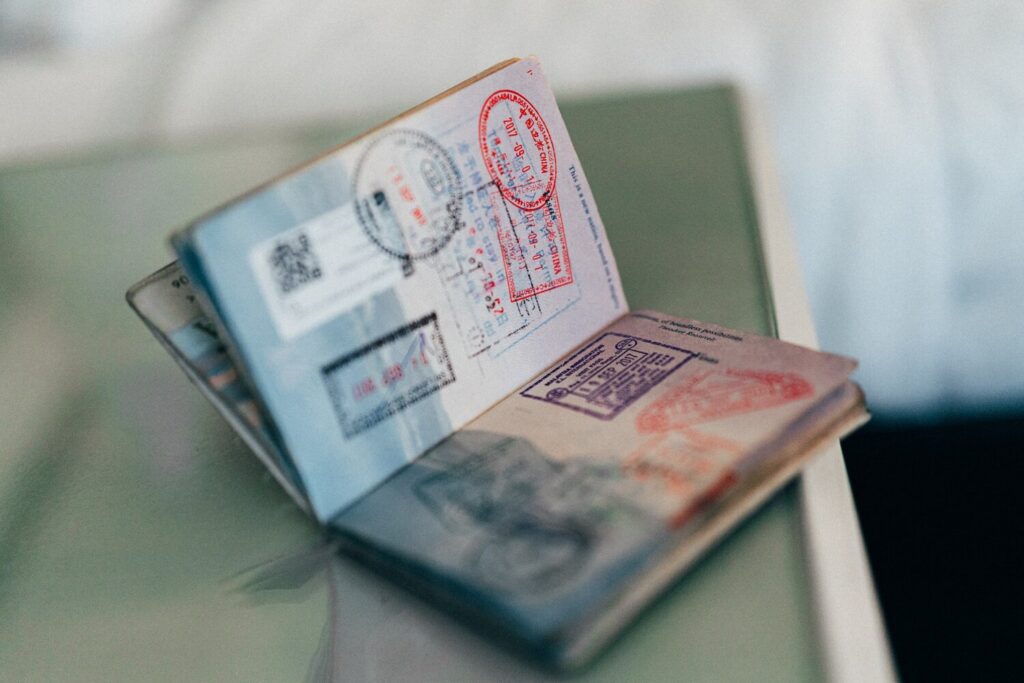
Your passport must be valid for at least six months beyond your intended stay. Obtain a certified copy of your passport’s biographical page. If you hold dual citizenship, ensure you are applying under the passport you intend to use for entry. Some countries require a recent passport-style photo with specific background requirements.
You must demonstrate that your income comes from outside the host country. Provide an employment contract or a letter from your employer stating your role, salary, and remote work authorization. Freelancers should submit active client contracts or invoices. This proves you are not seeking local employment within the visa country.
Immigration authorities require proof that you can support yourself without local welfare. Bank statements from the last three to six months are standard. Ensure the balance meets the minimum threshold, which often ranges from $2,000 to $3,000 per month of stay. Highlight the ending balance and ensure no suspicious large deposits appear without explanation.
Most digital nomad visas mandate private health insurance with coverage in the host country. The policy must cover medical emergencies, hospitalization, and repatriation. Public healthcare access is rarely guaranteed for visa holders. Verify that the policy is active for the entire duration of your requested visa term, including any dependents.
A police clearance certificate or background check from your country of residence is typically required. This document must be recent, usually issued within the last three to six months. Some countries require this document to be apostilled or legalized by the host country’s embassy before submission.
Fill out the official government application form accurately. Inconsistencies between your form and supporting documents are a common cause for rejection. Submit all materials through the designated portal or embassy. Pay the non-refundable processing fee. Keep digital copies of every submitted page for your records.
Helpful gear
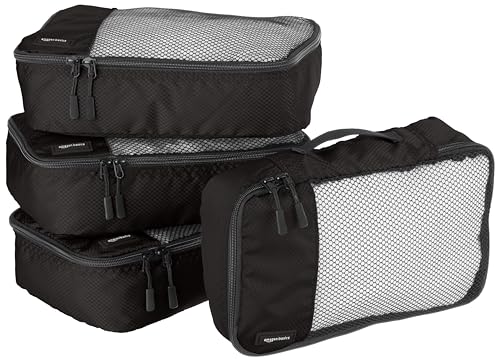
Use these product recommendations as a starting point, then choose the size, material, and price point that fit how you actually use the gear.
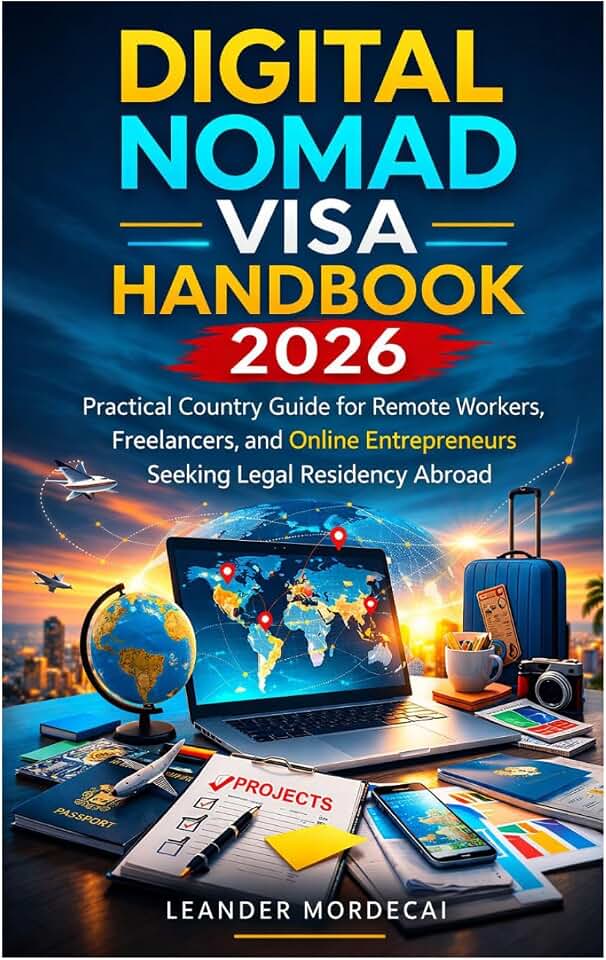


As an Amazon Associate, we may earn from qualifying purchases.
No comments yet. Be the first to share your thoughts!