
2026 Travel Trends
The landscape for remote work is shifting from short bursts to sustained stays. Recent data indicates that longer trips are the top upgrade for travelers in 2026, with 40% of respondents prioritizing extended time in one location over quick getaways. This shift favors destinations that offer more than just a view; they require infrastructure that supports a full-time professional life.
We selected these ten destinations based on concrete criteria: reliable high-speed internet, straightforward visa policies for digital nomads, and a cost of living that balances quality of life with budget. Rather than relying on generic appeal, we focused on places where the logistics of working remotely are handled efficiently. This approach ensures that your time is spent building your business or enjoying your new home, not troubleshooting connectivity or navigating bureaucratic hurdles.
10 2026 Visa-Free Revolution: Top 10 Destinations for Digital Nomads & Remote Workers
Navigating entry requirements in 2026 demands precision, not guesswork. This section identifies ten specific destinations where visa-free access or streamlined digital nomad visas currently offer the lowest friction for remote workers. We prioritize concrete regulatory details and official source verification to help you plan your next move with confidence.
1. estonia e-residency digital infrastructure
Estonia’s e-Residency program offers a government-issued digital ID, enabling remote company formation and management across the EU. This digital infrastructure streamlines banking, tax filing, and contract signing, making it ideal for nomads seeking a low-friction European business base without physical relocation.
2. portugal d8 remote work visa
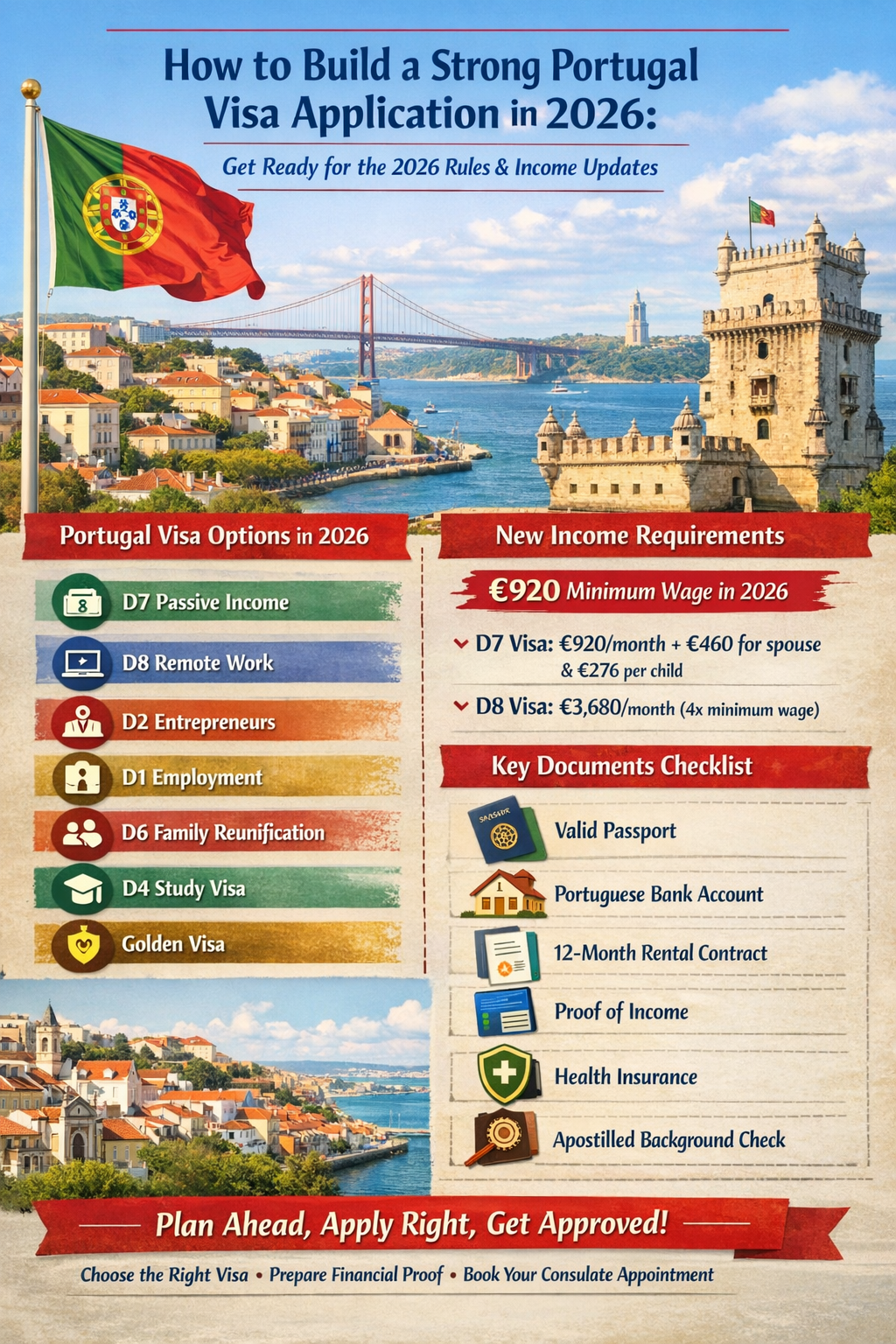
Portugal’s D8 visa provides a legal pathway for remote workers to reside in the country for up to four years. It requires proof of stable remote income and health insurance, offering access to high-quality healthcare and a robust expat community, though the NHR tax regime has recently undergone significant changes.
3. spain digital nomad visa benefits
Spain’s Digital Nomad Visa allows remote workers to live in the country for up to five years with favorable tax rates under the Beckham Law. Applicants must prove remote work for non-Spanish entities and sufficient funds, gaining access to excellent infrastructure, vibrant cities, and a welcoming cultural environment.

4. croatia temporary residence for remote workers
Croatia offers temporary residence permits for remote workers, leveraging its stunning coastline and improved digital infrastructure. Applicants need proof of income and accommodation, benefiting from a Schengen zone entry point, rich history, and a growing network of co-working spaces in cities like Zagreb and Split.

5. bali indonesia visa exemption updates
Bali remains a top digital nomad hub, with Indonesia offering various visa exemptions and tourist visas that can be extended. Recent updates simplify entry for many nationalities, but nomads must ensure compliance with local regulations regarding long-term stays and remote work activities to avoid legal complications.

6. Mexico temporary resident visa process
Mexico’s Temporary Resident Visa offers a clear pathway for remote workers seeking stability in North America. Applicants must demonstrate financial solvency through recent bank statements or pension income, meeting specific monthly thresholds. The application involves a rigorous interview at a Mexican consulate, followed by INM registration upon arrival. This route provides a solid foundation for long-term stays without the immediate pressure of permanent residency requirements.

7. Costa Rica rentista visa requirements
The Costa Rican Rentista visa targets individuals with steady passive income, requiring a guaranteed annual deposit or pension of at least $2,500. This option appeals to remote workers seeking a predictable residency path in Central America’s stable political climate. Applicants must prove funds are accessible and sufficient for one year, avoiding the complexities of investment-based visas. It offers a straightforward route to legal status for those with reliable remote earnings or retirement funds.

8. Thailand new long-term resident visa
Thailand’s revamped Long-Term Resident (LTR) visa program aims to attract wealthy digital nomads and specialized professionals. While initially focused on high-net-worth individuals and experts, recent adjustments have expanded eligibility to include remote workers in specific sectors. The application demands rigorous documentation of income, health insurance, and professional credentials. This visa offers extended stays and streamlined entry procedures, positioning Thailand as a competitive hub for long-term remote work in Southeast Asia.

9. UAE Dubai remote work visa
The UAE’s remote work visa allows digital nomads to live in Dubai for up to one year while working for foreign employers. Applicants must meet a minimum monthly income threshold and possess a valid health insurance policy. This program offers a tax-free environment with world-class infrastructure, appealing to those seeking a high-quality lifestyle in the Middle East. The application process is streamlined online, providing a secure and prestigious base for remote professionals.

10. Georgia one-year visa-free stay
Georgia offers an exceptional one-year visa-free stay for citizens of over 100 countries, making it a top choice for short-to-medium term remote work. This policy allows digital nomads to reside legally without complex visa applications or financial proof requirements. The country boasts low living costs, high-speed internet, and a welcoming expat community. It serves as an ideal testing ground for those considering longer-term moves in the Caucasus region.

How to choose the right destination
Selecting a visa-free spot requires balancing legal entry rules with daily operational needs. The friction of border control ends at the airport; the real work begins with connectivity, cost, and time zone alignment. Use this framework to filter the top 10 destinations based on your specific remote work constraints.

Short-term visa-free entry (usually 30–90 days) is often insufficient for long-term remote work. Check if the destination allows border runs or offers a specific digital nomad visa that extends your stay. Relying on tourist waivers can create legal gray areas and stress if you plan to stay beyond a few months.

Stable connectivity is non-negotiable. Look for destinations with fiber-optic infrastructure and multiple coworking spaces in your target city. A reliable connection prevents income loss and allows you to maintain professional credibility during video calls with clients or teams.

Your budget dictates your lifestyle. Compare local costs for housing, food, and transport against your income. Lower-cost destinations allow for a higher quality of life or longer stays, while expensive hubs require a stricter budget or higher earnings.

Time zone alignment affects your ability to collaborate in real-time. If you work with US clients, a European or South American destination might offer better overlap than Southeast Asia. Misaligned hours can lead to burnout from late-night or early-morning meetings.


As an Amazon Associate, we may earn from qualifying purchases.
| Criterion | Priority Level |
|---|---|
| Internet Speed | High |
| Cost of Living | Medium |
| Time Zone | Medium |
| Visa Length | High |
FAQ: Visa-Free Travel for Remote Workers in 2026
What is the difference between visa-free entry and a digital nomad visa?
Visa-free entry allows short-term stays (usually 30–90 days) without prior approval, similar to standard tourism. A digital nomad visa is a specific residency permit that grants legal right to work remotely for months or years. Visa-free zones are ideal for testing a location, while nomad visas provide stability and local banking access for longer stays.
Can I work remotely on a standard tourist visa?
Technically, no. Most countries prohibit earning income from within their borders while on a tourist visa. While enforcement varies, getting caught can lead to fines or future entry bans. If you plan to stay longer than 90 days, you must apply for a specific remote work visa or digital nomad visa offered by the destination.
How long can I stay in the Schengen Area as a remote worker?
The Schengen Zone limits visa-free stays to 90 days within any 180-day period. This rule applies strictly to all non-EU nationals. If you need to stay longer, you must leave the Schengen Area and wait out the remaining days of your 180-day window, or apply for a long-stay national visa from a specific member state.
Do I need travel insurance for visa-free travel?
Yes, many countries require proof of travel insurance as a condition of entry, even for visa-free visitors. Ensure your policy covers medical emergencies and trip interruptions. Some digital nomad visas also require comprehensive health insurance valid in the host country, so check specific entry requirements before booking.
No comments yet. Be the first to share your thoughts!