
Why the digital nomad visa 2026 matters
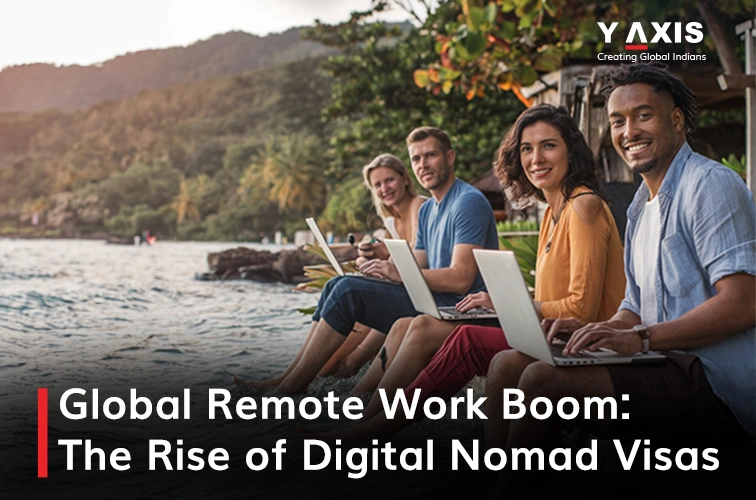
In 2026, the legal boundary between tourism and remote work has hardened. Relying on a tourist visa to work for a foreign employer is no longer a gray area—it is a violation of immigration laws in most jurisdictions. A dedicated digital nomad visa removes this risk by explicitly granting legal status for remote employment while you reside abroad.
Legal clarity vs. tourist restrictions
Tourist visas are designed for leisure, not labor. Using them to access local internet, attend client calls, or manage business operations can lead to deportation, fines, or future entry bans. A digital nomad visa provides a clear legal framework, ensuring your income source is recognized and your stay is compliant. This distinction is critical for long-term planning and peace of mind.
Tax and residency implications
Beyond immigration, these visas often clarify tax obligations. Many countries offer favorable tax regimes for remote workers, such as non-habitual resident status in Portugal or the flat tax rate for new residents in Italy. Understanding these rules before you move prevents unexpected liabilities. Official government sources should always be consulted for the most current regulations, as policies shift frequently.
Note: Always verify requirements with official government immigration websites. Third-party blogs may not reflect real-time changes in visa laws or tax treaties.
The right visa aligns your legal status with your work reality, turning a complex regulatory maze into a straightforward path for remote living.
10 Best Countries for Digital Nomad Visa 2026: Remote Work & Tax Guide
Navigating the 2026 digital nomad visa landscape requires precise verification of legal eligibility and tax implications, as regulations shift rapidly. We rely exclusively on official government sources to ensure this guide reflects current statutory requirements rather than generic travel advice.
1. Spain digital nomad visa tax benefits
Spain’s Becks Law offers qualifying remote workers a flat 24% income tax rate for up to five years, replacing the progressive scale that can exceed 47%. This incentive applies to those earning under €600,000 annually and establishes Spain as a fiscal haven for high-earning tech professionals seeking European residency without heavy tax burdens.

2. Portugal D8 visa remote work rules
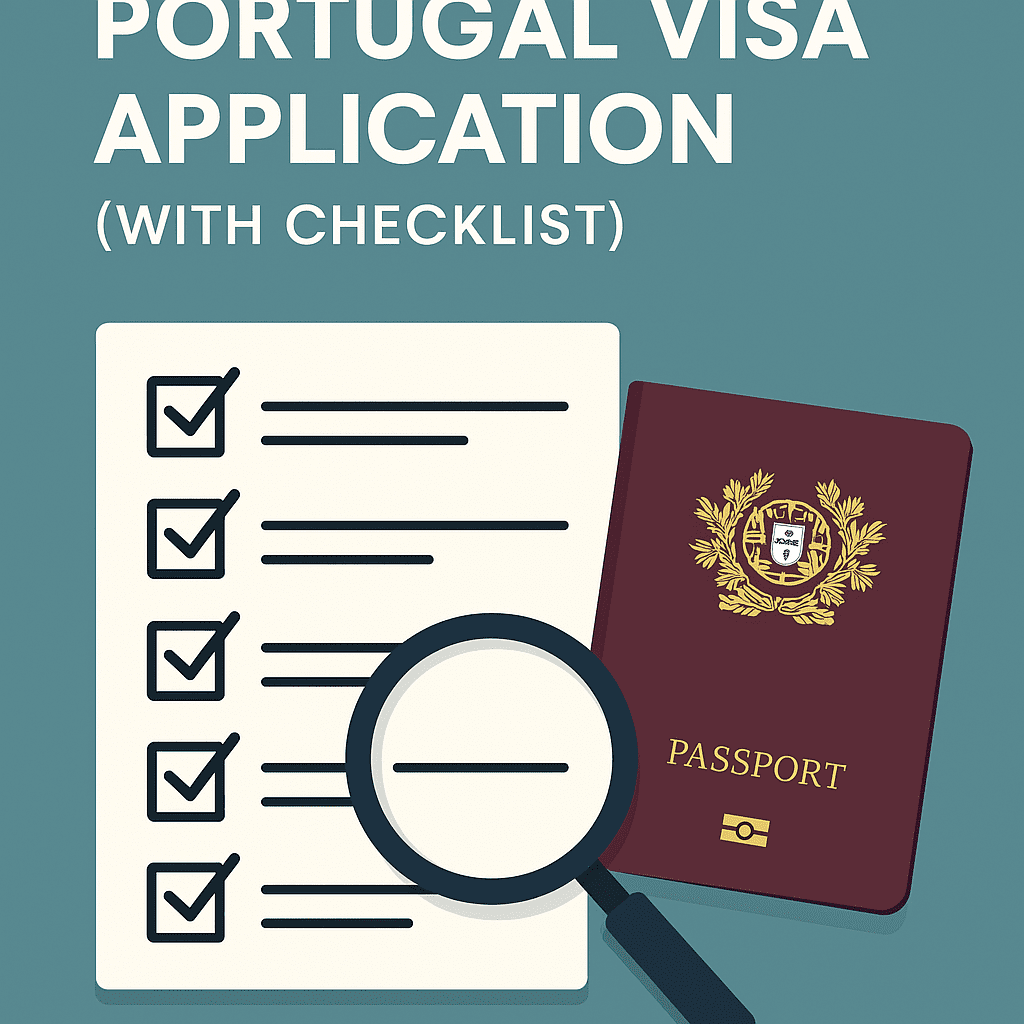
Portugal’s D8 visa permits non-EU nationals to reside while working remotely for foreign entities. Applicants must demonstrate stable monthly income, typically around €3,280, and provide proof of accommodation. While the tax regime has tightened with the new NHR rules, Portugal remains a top destination for those prioritizing lifestyle and EU access over aggressive tax breaks.
3. Croatia EU digital nomad visa access
Croatia introduced a specific temporary stay permit for digital nomads, allowing stays of up to one year with renewal options. This visa grants access to the Schengen Area, facilitating travel across Europe. Applicants need proof of remote employment, health insurance, and sufficient funds, making it an ideal bridge for nomads targeting the Balkans and wider EU mobility.

4. Estonia e-Residency visa program details
Estonia’s e-Residency is a digital identity service, not a residence permit, enabling global entrepreneurs to establish and manage an EU-based online business. While it does not grant physical residency or visa-free travel, it offers seamless access to EU banking, e-banking, and digital public services, serving as a foundational tool for remote business structuring rather than personal relocation.

5. Greece digital nomad visa 2026 eligibility
Greece’s digital nomad visa allows remote workers to reside for one year, renewable for two additional years. Eligible applicants must earn at least €3,500 monthly and prove employment with non-Greek entities. The program includes tax exemptions for the first five years, positioning Greece as a cost-effective Mediterranean hub for remote professionals seeking long-term residency with fiscal advantages.

6. Thailand LTR visa for remote workers
Thailand’s Long-Term Resident visa targets wealthy remote professionals, offering a 10-year renewable stay with significant tax advantages. Unlike standard tourist visas, this category requires proof of substantial income or assets, making it ideal for established digital nomads seeking stability. The application process involves strict financial thresholds and health insurance mandates, ensuring compliance with Thai immigration laws for long-term residency.
7. Sri Lanka visa options for nomads
Sri Lanka’s Digital Nomad Visa provides a 30-day entry, renewable for up to one year, catering to remote workers exploring South Asia. Applicants must demonstrate a monthly income of at least $2,000, ensuring financial self-sufficiency during their stay. This visa simplifies legal entry for freelancers and remote employees, offering a gateway to experience local culture while maintaining their international career obligations.

8. New Zealand remote work visa 2026
New Zealand’s Work and Holiday visa or specific remote work arrangements allow digital nomads to experience the country’s stunning landscapes while working. The 2026 guidelines emphasize strict health and character requirements, ensuring visitors contribute positively to local communities. Remote workers must maintain employment outside New Zealand, adhering to tax laws that prevent local income generation without proper permits.
9. Malta Nomad Residence Permit requirements
Malta’s Nomad Residence Permit offers a 12-month stay for remote workers earning at least €2,700 monthly, providing access to EU infrastructure. The application requires proof of remote employment, adequate health insurance, and clean criminal records. This permit facilitates seamless travel within the Schengen Area, making Malta a strategic hub for nomads seeking European connectivity without the complexities of longer-term residency applications.
10. Latvia digital nomad visa application process
Latvia’s Digital Nomad Visa allows remote workers to stay for up to one year, with a pathway to permanent residency after five years. Applicants must prove a steady income source and secure comprehensive health coverage. The application process is streamlined through Latvia’s online portal, requiring digital submissions of proof of employment and financial stability, making it an accessible option for tech-savvy nomads seeking Eastern European stability.

Compare visa costs and tax rules
Choosing the right destination requires balancing upfront application fees against long-term tax obligations. While some countries offer low-cost entry, they may impose strict income thresholds or lack favorable tax regimes for remote workers. Others charge higher fees but provide clearer paths to tax residency or exemptions.
The table below compares five leading options based on official requirements for visa fees, minimum monthly income, and tax treatment. These metrics are critical for determining your total cost of living and legal compliance. Always verify current rules on government immigration websites, as policies change frequently.
| Country | Visa Fee | Min. Income (Monthly) | Tax Treatment |
|---|---|---|---|
| Estonia | €100 | €3,504 | Non-resident (0% on foreign income) |
| Spain | €60 | €2,400 | Beckham Law (24% flat rate) |
| Portugal | €75 | €3,040 | NHR Regime (10% flat rate) |
| Thailand | ฿5,000 | ¥800,000/yr | Tax residency (180-day rule) |
| Costa Rica | €100 | ¥60,000/yr | Territorial (no tax on foreign income) |
Essential gear for remote work
A digital nomad visa grants legal residency, but reliable equipment is what keeps your career alive. The right setup turns a café in Lisbon or a co-working space in Bali into a functional office. Focus on tools that balance performance with portability, ensuring you can meet deadlines without carrying a heavy burden.
Start with a lightweight laptop capable of handling video calls and multitasking without draining its battery. Noise-canceling headphones are non-negotiable for filtering out ambient noise in shared spaces. A portable monitor provides the screen real estate needed for complex spreadsheets or design work when you need to step away from your laptop.


As an Amazon Associate, we may earn from qualifying purchases.
Digital nomad visa: what to check next
Navigating the legal landscape for remote work requires understanding how local laws interact with your home jurisdiction. While a digital nomad visa grants you the right to reside and work remotely, it does not automatically exempt you from tax obligations in your country of origin. Many nomads fall into the trap of assuming residency alone changes their fiscal status, which can lead to significant penalties.
Do I pay taxes in the host country?
Most digital nomad visas are designed to attract temporary residents who spend their income outside the local economy. However, tax residency thresholds vary. For instance, staying in a country for more than 183 days often triggers local tax residency, meaning you may owe income tax there. Always consult official government tax portals or a cross-border tax specialist to determine your liability before committing to a long-term stay.
How long is the visa valid?
Validity periods typically range from six months to two years, depending on the country. Portugal’s D8 visa, for example, is initially granted for one year and can be renewed for subsequent two-year periods. Spain’s Digital Nomad Visa offers an initial validity of one year, extendable up to three years. These timelines allow for flexibility but require proactive renewal planning well before expiration.
Can I bring my family?
Family inclusion policies differ significantly. Spain and Croatia allow spouses and dependent children to apply for derivative visas, granting them the right to reside and, in some cases, work or attend school. Estonia’s Digital Nomad Visa, however, is strictly for the primary applicant; family members must apply for separate long-stay visas or Schengen visas, which have their own eligibility criteria and financial proof requirements.
No comments yet. Be the first to share your thoughts!