
Verify your identification documents
The easiest mistake with Prepare for Travel Regulations is comparing options on the most visible detail while ignoring the day-to-day constraint. A choice can look strong on paper and still fail because it is too hard to maintain, too expensive to repeat, or awkward in the actual setting. Use the same checklist for every option: fit, cost, durability, timing, upkeep, and fallback plan. That keeps the comparison practical instead of drifting into preference alone.

Check visa and entry requirements
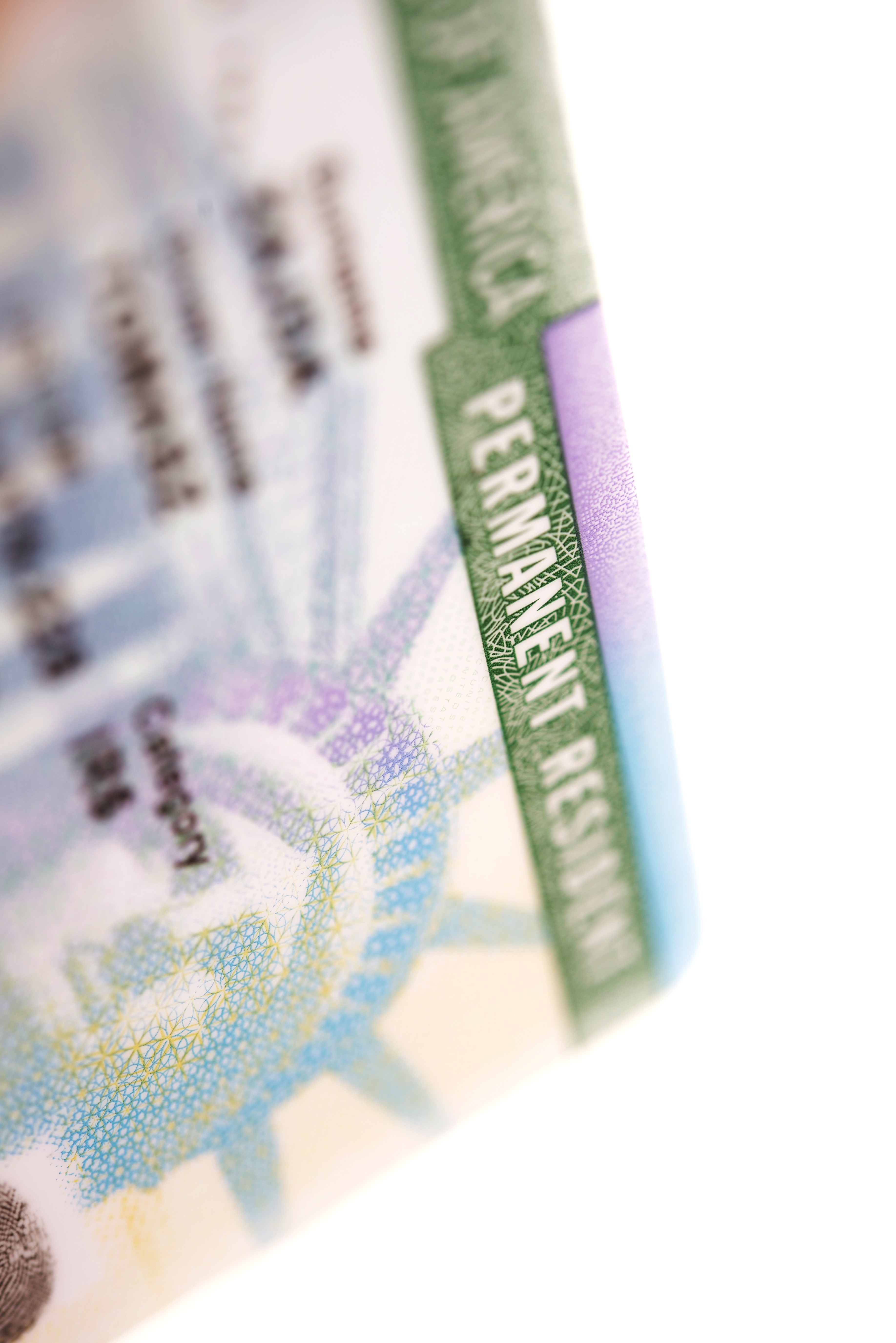
Starting January 1, 2026, an expanded travel ban takes effect for nationals of specific countries. If you are currently outside the United States and do not hold a valid visa, you will be subject to the suspension of entry. This rule applies even if you have previously traveled to the U.S. with a visa that is still technically valid but expired in terms of your current status under the new regulations.
Verify your eligibility immediately. The Congressional Research Service confirms that nationals of listed countries who are abroad on January 1, 2026, without a valid visa face a hard stop on entry. Do not assume your existing visa documentation grants you passage. Contact the nearest U.S. embassy or consulate to confirm if your nationality is on the restricted list and whether an exemption applies to your specific travel purpose.
For travelers subject to these changes, the process involves more than just checking a box. You may need to reapply for a visa or seek alternative entry waivers well before the deadline. Treat this as a high-stakes regulatory change. Waiting until closer to your travel date risks being stranded or denied boarding by airlines who must enforce these federal mandates.
Review airline and baggage policies
Carry-on rules tighten in 2026 as airlines enforce stricter liquid and electronic device protocols. The TSA also updates screening procedures, including a new policy that allows shoes to remain on during security checks for most travelers. Pack light and organize your bag to move through checkpoints quickly.
Lithium battery restrictions
Lithium-ion batteries must be in carry-on luggage. Loose batteries require individual plastic bags. Airlines cap battery watt-hours at 100Wh without approval. Anything larger needs prior authorization.
Carry-on liquid limits
Liquids must fit in 3.4-ounce containers inside a single quart-sized bag. One bag per passenger. Solid deodorants and lip balms do not count toward the limit. Place the bag at the top of your carry-on for easy removal.
Screen shoes on or off
The TSA now allows shoes to stay on during standard screening. Remove them only if the alarm sounds or if you are flagged for additional checks. This change speeds up the process for most passengers.
Compare 2026 rules
| Item | 2025 Rule | 2026 Rule | Your Action |
|---|---|---|---|
| Lithium Batteries | Carry-on only | Carry-on only + stricter size checks | Check watt-hour limit |
| Liquids | 3.4 oz limit | 3.4 oz limit + bag check | Use quart-sized bag |
| Shoes | Remove for screening | Keep on (most cases) | Leave them on |
| Electronics | Remove from bag | Remove from bag | Place in bin |
Packing checklist
-
Verify battery watt-hours
-
Pack liquids in quart-sized bag
-
Leave shoes on for screening
-
Check airline size limits
Address digital health and visa processing
Border controls are shifting from physical stamps to digital verification. For 2026, travelers must prepare for AI-driven visa processing and standardized digital health passes. These systems prioritize speed and security but require accurate pre-submitted data.
AI-driven visa processing
Many countries are replacing manual consulate reviews with automated AI systems. These tools analyze application data against security databases in seconds. You must ensure your digital documents match your physical passport exactly. Any discrepancy triggers a manual review, delaying your entry.
Start by checking if your destination uses an Electronic Travel Authorization (ETA) or e-Visa system. Apply well in advance, even if the system appears instant. AI flags can be false positives; having time to resolve them is critical.
Digital health passes
While pandemic-era mandates have eased, digital health credentials remain part of the infrastructure. Some destinations still require proof of vaccination for specific diseases or health declarations upon arrival. These are often integrated into the same app used for visa applications.
Verify current health entry requirements for your destination six weeks before travel. Keep digital copies of your vaccination records accessible offline. Border agents may request proof even if not explicitly advertised online.
Pre-travel checklist
-
Confirm if your destination requires an e-Visa or ETA.
-
Ensure your passport photo meets current digital standards.
-
Download required health declaration apps before departure.
-
Save offline copies of all digital health credentials.
-
Verify AI visa processing timelines for your nationality.
Frequently asked questions about 2026 travel
Travelers often have specific concerns regarding new entry requirements and security fees. Below are answers to the most common questions about flying in 2026.
No comments yet. Be the first to share your thoughts!