
Get 2026 travel regulations right
Before you book, verify the specific entry and security rules that apply to your itinerary. Travel regulations for 2026 include distinct deadlines for domestic security and international compliance. Missing these details can lead to denied boarding or entry refusals at the border.
Start with domestic security. The TSA enforces Real ID requirements for domestic flights beginning February 1, 2026. You must present a compliant driver’s license or state ID at checkpoints. If your current license lacks the star marking, you must use an alternative passport or passport card for domestic air travel.
Next, check international entry rules. Many countries have updated visa waiver programs or electronic travel authorization (ETA) systems. Verify if your destination requires an eTA, visa, or proof of onward travel. Some nations also mandate that passports remain valid for six months beyond your return date.
Finally, review destination-specific restrictions. While few countries ban US citizens entirely, some have active travel advisories or require specific vaccinations. Check the latest State Department warnings for your target countries to ensure your trip is feasible and safe.
Work through the steps
The Traveler's to AI-Powered Visa Tracking and Digital Border Compliance works best as a clear sequence: define the constraint, compare the realistic options, test the tradeoff, and choose the path with the fewest hidden costs. That order keeps the advice usable instead of decorative. After each step, pause long enough to check whether the recommendation still fits the reader's actual situation. If it depends on perfect timing, unusual access, or a best-case budget, include a simpler fallback.


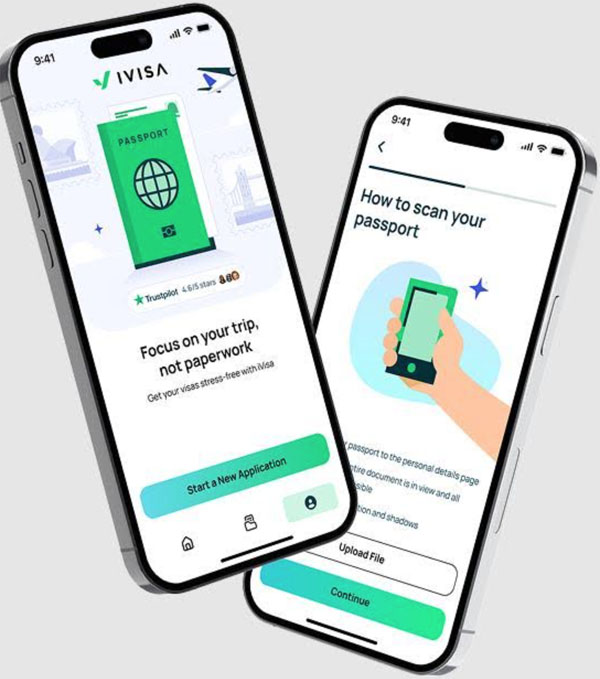
Common Mistakes in Visa Tracking and Border Compliance
Even with digital tools, travelers still face denied boarding or entry delays due to preventable errors. These mistakes often stem from outdated information or a misunderstanding of how border systems work. Below are the most frequent pitfalls and how to avoid them.
Mistake 1: Ignoring Real ID Deadlines
Many travelers assume their current driver’s license is sufficient for all domestic flights. This is no longer true. Beginning February 1, 2026, the TSA strictly enforces Real ID requirements for domestic air travel. If your license lacks the Real ID star or is expired, you will not be allowed through security checkpoints. Check your state’s DMV website well before booking flights to ensure your ID is compliant.
Mistake 2: Assuming Visa Expiration Equals Entry Permission
A common error is confusing the expiration date on a visa with the length of stay allowed. A visa may be valid for five years, but the border officer determines how long you can stay upon arrival. Relying on the visa’s expiration date to plan your departure can lead to overstays, which carry serious legal penalties. Always check the "Admit Until Date" or duration of stay stamp issued at entry.
Mistake 3: Overlooking Destination-Specific Health or Vaccination Rules
Global health requirements have shifted significantly in recent years. Some countries now mandate proof of specific vaccinations or digital health declarations upon arrival. Assuming standard travel insurance covers all medical entry requirements is risky. Verify the latest health directives for your destination on the official government travel site, not just third-party blogs.
Mistake 4: Using Outdated Passport Validity Rules
Some countries require your passport to be valid for at least six months beyond your planned departure date. Others only require validity through your stay. Entering a country with a passport that expires sooner than required can result in immediate denial of entry. Always check the passport validity rules for every country on your itinerary.
Mistake 5: Failing to Sync Digital Travel Profiles
Digital border systems like ESTA (for the US) or ETIAS (for Europe) require accurate, up-to-date personal information. A common mistake is using an old email address or phone number that no longer works. If there is an issue with your application, you won’t receive the notification. Keep your contact details current and check the status of your travel authorization regularly.
Mistake 6: Assuming All Countries Allow Visa on Arrival
Not all countries offer visa on arrival, and those that do often have strict eligibility criteria. Travelers who assume they can get a visa upon landing without prior research may find themselves stranded. Always confirm if your nationality is eligible for visa on arrival and what documents are required before you book your flight.
2026 travel regulations: what to check next
Helpful gear
Use these product recommendations as a starting point, then choose the size, material, and price point that fit how you actually use the gear.



- Helps with prep
- Keeps cleanup easier
As an Amazon Associate, we may earn from qualifying purchases.
No comments yet. Be the first to share your thoughts!