

US passport power in 2026
The US passport remains a powerful tool for global mobility, anchored primarily by the Visa Waiver Program (VWP). This framework allows citizens of 41 participating countries to travel to the United States for tourism or business for stays of up to 90 days without obtaining a visa. The program is administered by the Department of Homeland Security in consultation with the State Department, ensuring strict security and eligibility standards are maintained.
For American travelers heading abroad, the dynamic is slightly different but equally robust. The US maintains visa-waiver or visa-on-arrival agreements with numerous allied nations, particularly across Europe, the Asia-Pacific, and parts of the Americas. However, "visa-free" does not mean "no requirements." While a visa may not be required for entry, travelers must still present a valid passport, evidence of financial means, and often a return or onward ticket.
Understanding these baseline rules is critical for compliance. While the VWP simplifies entry into the US for allies, US citizens must navigate a patchwork of entry requirements abroad. Some countries may require an Electronic Travel Authorization (eTA) or a visa on arrival, while others remain entirely open. Always verify specific entry requirements for your destination before departure, as policies can change with little notice.
Asia’s new visa-free corridors
The 2026 travel landscape in Asia is defined by a significant shift in China’s entry policies, which now allow US passport holders to enter without a visa for short stays. This change, part of a broader expansion to 47 countries, removes a major bureaucratic hurdle for business and tourism. While the policy simplifies entry, it strictly limits stays to 30 days and excludes activities like employment or study. Travelers must still possess a valid passport and evidence of onward travel, as border officials maintain the right to request financial evidence.
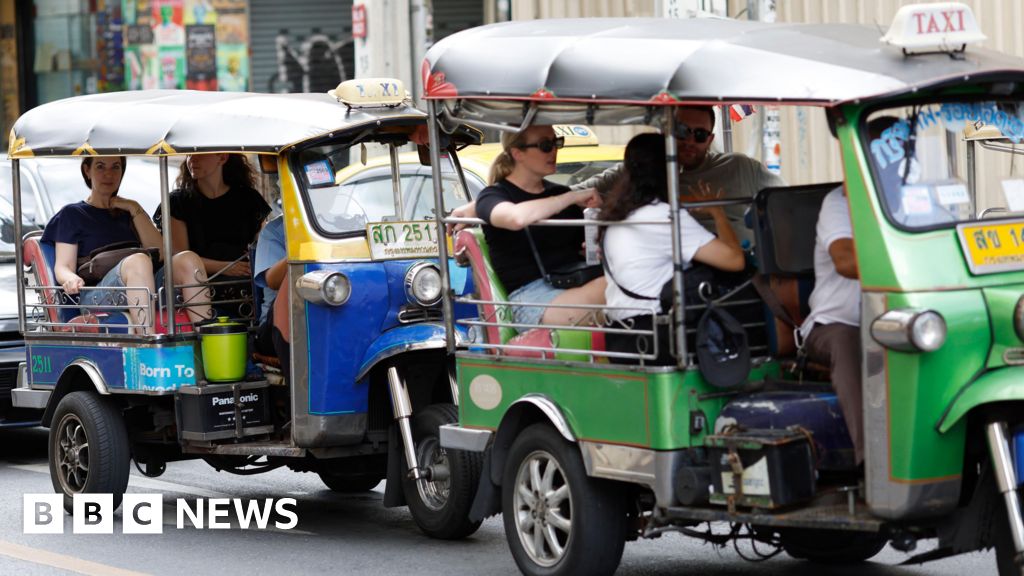
Other Asian destinations have adjusted their rules to balance accessibility with security. Japan and South Korea remain largely open to US citizens for tourism, though South Korea has introduced stricter enforcement against overstays. Thailand, once known for its open-door policy, has recently tightened scrutiny on visa-free entries, requiring more rigorous proof of accommodation and financial means to prevent unauthorized work. These changes signal a move toward managed tourism rather than unrestricted access.
The following table outlines the current entry requirements for US citizens in key Asian markets for 2026. These figures reflect unilateral visa waivers and bilateral agreements as of late 2025. Always verify with your nearest embassy before booking, as policy shifts can occur with little notice.
| Country | Visa Status | Max Stay | Allowed Purpose |
|---|---|---|---|
| China | Visa-free | 30 days | Tourism, Business, Family |
| Japan | Visa-free | 90 days | Tourism, Business |
| South Korea | Visa-free | 90 days | Tourism, Business |
| Thailand | Visa-free | 60 days | Tourism Only |
| Singapore | Visa-free | 30 days | Tourism, Business |
Digital nomad visas to watch
Digital nomad visas operate on a different legal track than standard visa-free tourism. While visa-free entry grants short-term leisure access, these specialized permits authorize long-term remote work, often spanning one to two years. For US passport holders, the distinction matters because working on a tourist waiver can violate local immigration laws and jeopardize future entry.
Several jurisdictions have formalized these long-term remote work permits to attract global talent. Mexico offers a Temporary Resident Visa that allows stays up to four years for those who can demonstrate stable remote income. Portugal’s D8 Visa provides a pathway to residency for remote workers, while Spain’s newly updated Digital Nomad Visa allows stays of up to five years for eligible freelancers and remote employees.
Choosing the right permit requires verifying current income thresholds and tax implications. Policies shift frequently, so relying on outdated blog posts is risky. Always verify requirements directly with the destination’s official immigration authority or consulate before booking long-term accommodation.

Entry requirements and documents
Visa-free status simplifies border crossings, but it does not eliminate entry requirements. Immigration officers at your destination still need proof that you intend to leave and can support yourself during your stay. Failing to present the correct documentation is the most common reason for denied entry, regardless of visa status.
Passport validity rules
Most countries require your passport to be valid for at least six months beyond your date of entry. Some destinations, such as those in South America or parts of Asia, may only require validity for the duration of your stay. Always check the specific validity window for your destination before booking. An expired passport or one with insufficient validity will result in immediate denial of boarding or entry.
Proof of onward travel
Immigration officials often require evidence that you will not overstay your permitted time. This is typically satisfied by a return ticket or an onward ticket to a third country. Airlines are strictly responsible for transporting passengers who are denied entry, so they may refuse boarding if you cannot show a return ticket. Keep a digital or physical copy of your itinerary accessible.
Financial sufficiency
Many visa-free agreements include financial sufficiency clauses. You may be asked to show bank statements, credit cards, or cash to prove you can cover your expenses. The required amount varies by country and length of stay. Having accessible funds prevents delays and demonstrates your ability to support yourself without seeking unauthorized employment.
Health and customs documentation
Depending on the region and current global health guidelines, you may need vaccination records or completed health declaration forms. While many post-pandemic restrictions have eased, some destinations still require specific health documentation for entry. Check the latest requirements from the destination’s embassy or consulate to ensure compliance.
-
Valid passport (check 6-month rule)
-
Return or onward ticket
-
Proof of funds
-
Health or vaccination records (if required)
Frequently asked: what to check next
Which countries are completely visa-free?
Visa-free access depends on your passport. For US citizens, destinations like Mexico allow stays of up to 180 days without a visa, while many Central American nations such as Guatemala, Belize, and Costa Rica offer 30 to 90 days. Always verify the latest entry rules before booking, as policies can change rapidly.
What documents do US citizens need for visa-free travel?
While a visa may not be required, border officials may ask for a valid passport, evidence of financial means, a return ticket, or specific health documentation. Carry these documents digitally and in print to avoid delays or denied entry at immigration.
Can I work while traveling visa-free?
No. Visa-free entry typically grants tourist status only. Engaging in paid work or remote employment for a foreign entity can violate local laws and result in fines or deportation. Check if a digital nomad visa or work permit is required for your specific activities.
No comments yet. Be the first to share your thoughts!