

Check passport validity first
Before booking flights, verify your passport expiration date. Most countries enforce a "six-month rule," requiring validity for at least six months beyond your planned date of entry. This applies to tourism, business, and transit. If your passport expires in five months, you risk denied boarding, even for visa-free destinations.
The US Visa Waiver Program strictly enforces this standard. The U.S. Department of State requires passports to be valid for at least six months beyond the period of stay. Similar rules apply across the Schengen Area, Southeast Asia, and South America. Always check specific entry requirements on official government travel sites.
If your passport expires within six months, renew it immediately. Processing times vary, so allow ample time. Do not wait until you have a trip planned.
Verify eligibility for visa-free entry
Visa policies depend on your nationality and destination. In 2026, several regions have introduced new requirements. "Visa-free" often still requires pre-approval, such as the US ESTA or EU ETIAS. Failing to secure these digital authorizations results in denied boarding.
Check major 2026 policy changes
Visa-free rules are shifting. Key changes for 2026 include the Schengen Area and China.
Schengen ETIAS Requirement Citizens of visa-exempt countries traveling to the Schengen Area (26 European nations) need an ETIAS travel authorization starting in 2026. This is a pre-screening process, not a visa. Apply online before departure.
China’s Unilateral Visa-Free Expansion China has extended unilateral visa-free entry for citizens of 45 specific countries until December 31, 2026. This allows stays of up to 30 days for tourism, business, or family visits. The policy applies to ordinary passport holders from nations including Germany, France, Italy, Spain, Australia, and Japan.
United States Visa Waiver Program (VWP) Foreign nationals visiting the US under the VWP must obtain an approved ESTA. The US does not offer visa-free entry for most long-term stays or work purposes.
Compare entry requirements
Use this comparison to identify primary entry requirements. Verify latest rules on official government websites.
| Destination | 2026 Requirement | Key Notes |
|---|---|---|
| Schengen Area (EU) | ETIAS Authorization | Required for visa-exempt nationals starting 2026. Apply online before travel. |
| China | Visa-Free (45 countries) | Unilateral policy for citizens of 45 nations. Max 30-day stay for tourism/business. |
| United States | ESTA (VWP) | Required for citizens of Visa Waiver Program countries. Max 90-day stay. |
| Thailand | Visa-Free | Visa-free entry for many nationalities. Max 60-day stay for tourism. |
Official verification steps
Never rely on third-party blogs for final confirmation. Immigration rules change frequently.
- Visit the official government portal. For the US, use travel.state.gov. For the EU, use the official EU Immigration portal. For China, use the China National Immigration Administration website.
- Check your passport expiration. Most countries require your passport to be valid for at least six months beyond your planned departure date.
- Confirm the purpose of travel. Visa-free entry usually applies only to tourism, business meetings, or family visits. Work, study, or long-term stays require specific visas.
Common pitfalls to avoid
- Assuming reciprocity. Just because Country A allows visa-free travel to Country B, it does not mean Country B allows visa-free travel to Country A.
- Ignoring transit requirements. Some countries require a transit visa even if you do not leave the airport.
- Overstaying visa-free periods. Visa-free stays are strictly limited. Overstaying can result in fines, deportation, and future entry bans.
Always double-check specific requirements for your nationality. Contact the embassy or consulate of your destination country for authoritative guidance.
Complete required pre-travel registrations
Visa-free status rarely means "no paperwork." Most destinations require digital pre-travel registration. These systems act as security filters. Failing to complete these steps can result in denied boarding.
The specific requirements depend on your destination and citizenship. Below are the mandatory administrative steps for the most common visa-free programs in 2026.
Before applying, verify that your nationality qualifies for the specific program. For the United States Visa Waiver Program (VWP), you must be a citizen of a participating country. For the Schengen Area, the European Travel Information and Authorization System (ETIAS) will be mandatory for visa-exempt travelers starting in 2026. Check the official government website for your destination to confirm current eligibility rules and processing times.
Complete the required digital form accurately. For the U.S., this is the Electronic System for Travel Authorization (ESTA). For Europe, it is the ETIAS application. You will need your passport details, travel itinerary, and background questions. Ensure all data matches your passport exactly; even minor typos in name or passport number can lead to rejection. For countries like China, which offers unilateral visa-free entry to many nations, you may still need to register your entry details through official border control portals upon arrival or pre-register via specific apps if required.
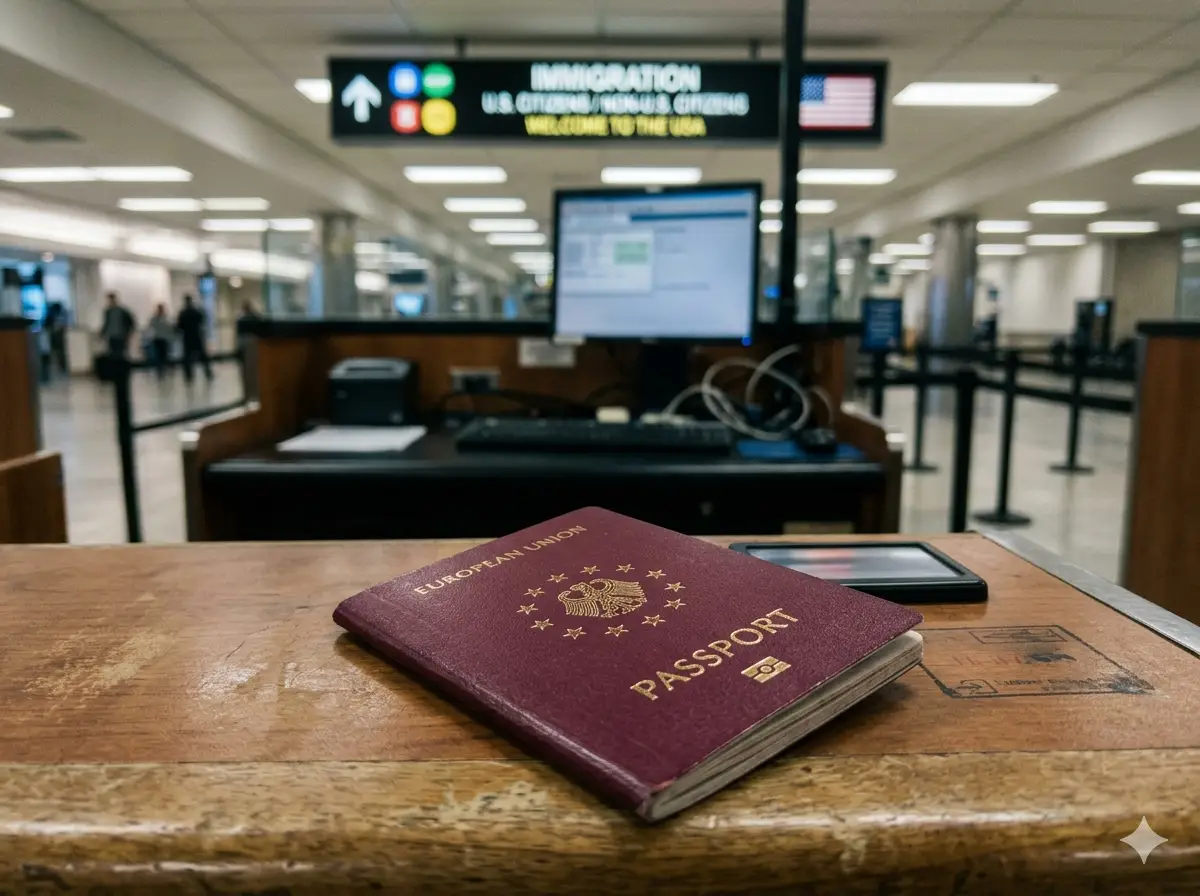
Most pre-travel registrations require a non-refundable fee. The U.S. ESTA fee is approximately $21, while ETIAS will cost €7. Payment is made online via credit or debit card. Some countries offer free registration but still require the application submission. Always pay only through the official government website to avoid fraud. Third-party sites often charge inflated service fees for the same government-mandated process.
After approval, you will receive an electronic authorization linked to your passport. While many airlines check this digitally, it is wise to print a copy or save a PDF on your phone. Border agents may request proof of your approved status before allowing you to board the plane. ESTA approvals are generally valid for two years or until your passport expires, while ETIAS will also be valid for three years.
These registrations are not optional. Plan to complete them at least 72 hours before departure, though earlier is always safer to account for any unexpected delays in processing.
Prepare proof of onward travel
Border officials often require evidence that you intend to leave the country before your visa-free allowance expires. Without this documentation, you risk being denied entry.
You need a concrete ticket showing your departure from the country you are visiting. This can be a return flight to your home country or an onward ticket to a third destination. Ensure the date on the ticket falls within the legal limit of your visa-free stay—for example, within 90 days for the Schengen Area or the United States.
-
Return or onward flight ticket booked and paid for
-
Hotel reservation or host invitation letter
-
Proof of sufficient funds (bank statements or cash)
-
Travel insurance covering medical and repatriation
While some airlines may accept a "flexible" or refundable ticket, it is safer to have a confirmed, non-refundable itinerary that clearly shows your exit plan. If your travel plans are uncertain, consider purchasing a dedicated onward ticket service. These services provide a verifiable ticket for 24-48 hours, which is usually sufficient for check-in and immigration, after which the ticket is canceled if not used.
Keep digital and physical copies of your onward travel documents accessible during your journey. Immigration officers at your point of entry may ask to see them before stamping your passport. Having this proof ready speeds up the process and demonstrates your compliance with entry requirements.
Common entry mistakes to avoid
Even with visa-free status, border officials enforce strict entry requirements. Overstaying your permitted duration, attempting to work on a tourist visa, or carrying prohibited items are the most frequent reasons for denied entry. These errors can result in immediate deportation and future travel bans.
Check your authorized stay duration
Visa-free travel often comes with shorter permitted stays than standard tourist visas. For example, the Visa Waiver Program for the United States allows stays of 90 days or less, while China’s new 2026 visa-free policy permits up to 30 days for many nationalities. Always verify the exact number of days allowed for your specific nationality before booking. Overstaying by even one day can invalidate your visa-free status and lead to significant penalties.
Understand work restrictions
Visa-free entry is strictly for tourism, business meetings, or family visits. Engaging in paid work, remote employment for local companies, or freelance gigs is prohibited. Border agents may ask about your itinerary and purpose of visit. If your plans involve any form of income generation, you likely need a work visa. Violating these terms can result in immediate removal and a long-term ban from the country.
Review prohibited and restricted items
Every country has a list of items that are banned or require special declaration. This includes certain medications, food products, plants, and large amounts of cash. Failing to declare restricted items or carrying illegal substances can lead to confiscation, fines, or arrest. Check the customs website of your destination country for a detailed list of prohibited goods. When in doubt, declare the item to avoid accidental violations.
Verify documentation readiness
Ensure you have all required documents, such as a return ticket, proof of sufficient funds, and accommodation details. Some countries require your passport to be valid for at least six months beyond your date of entry. Missing documentation can lead to delays or denial of entry. Keep digital and physical copies of your travel insurance and itinerary accessible.
No comments yet. Be the first to share your thoughts!